Quick answer
No, you cannot swim with dolphins in Fuerteventura. Spanish national law and Canary Islands marine protection regulations prohibit intentional swimming, touching, or feeding of wild dolphins and other cetaceans. These restrictions protect marine mammals from stress, injury, and behavioral disruption. Violating these rules carries fines and prosecution under wildlife protection statutes.
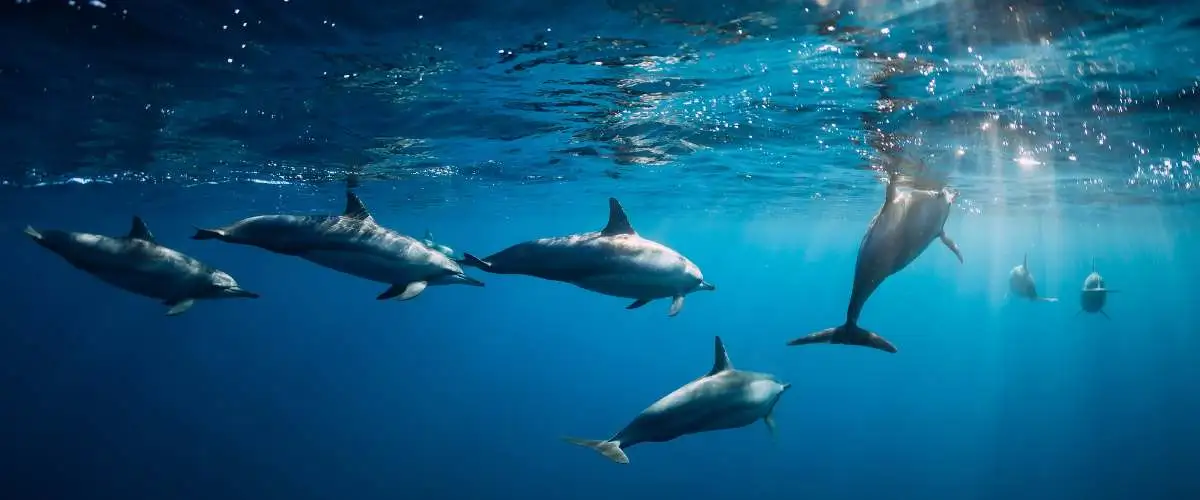
The waters surrounding Fuerteventura support year-round populations of bottlenose dolphins, short-finned pilot whales, and occasional visitors like common dolphins and rough-toothed dolphins. These species are legally protected under Spanish Royal Decree 1727/2007 and European Union Habitats Directive provisions that classify deliberate disturbance of cetaceans as an administrative offense. The prohibition on swimming with dolphins in Fuerteventera reflects scientific consensus on cetacean welfare. Physical interaction with humans—even well-meaning contact—can alter feeding patterns, disrupt pod cohesion, transmit pathogens, and habituate animals to boat traffic in ways that increase collision risk. Enforcement is active: the Canary Islands government coordinates with harbor authorities and the Guardia Civil to monitor commercial operators and prosecute violations. Penalties range from written warnings to fines exceeding several thousand euros, with repeat offenders facing suspension of maritime permits. Responsible observation remains legal and widely practiced. Licensed whale-watching vessels operate under strict codes of conduct: minimum approach distances of 60 meters for most species, engine speed restrictions in cetacean zones, and time limits on observation sessions. Operators accredited by programs like Blue Boat or Whale Heritage Site initiatives train crews in non-invasive techniques and contribute sighting data to conservation research. Shore-based observation is also viable; the western and southwestern coasts offer vantage points where dolphins forage close to headlands during morning and late-afternoon hours. Visitors planning dolphin encounters in Fuerteventura should verify that any tour advertises observation rather than interaction, holds current environmental permits, and publishes its adherence to approach guidelines. Ethical operators emphasize passive watching, educate passengers on species identification and behavior, and refuse to chase or encircle animals. The island's marine protected areas—including the franja marina de Jandía—impose additional rules on vessel entry and anchoring to preserve critical habitat for breeding and nursing pods.
“Physical interaction with humans can alter feeding patterns, disrupt pod cohesion, and habituate animals to boat traffic in ways that increase collision risk.”
Can You Swim With Dolphins In Fuerteventura: Costs And Legal Status
Swimming with dolphins is illegal in Fuerteventura to ensure the protection of marine wildlife. Consequently, there are no costs, fees, or ticket options for this activity.
There is no cost for swimming with dolphins as the activity is prohibited by law.
Regulations For Those Asking Can You Swim With Dolphins In Fuerteventura
Spanish law prohibits swimming with, touching, or feeding dolphins and other cetaceans in their natural habitat. These regulations exist to protect marine mammals from stress, injury, and disruption to their feeding and breeding patterns.
Do
- Observe dolphins from licensed whale-watching boats that maintain legal distance
- Report any operators offering illegal swim-with-dolphin excursions to local authorities
- Choose tour companies certified under the Barco Azul responsible whale-watching charter
- Keep noise levels low and avoid sudden movements when dolphins approach voluntarily
- Respect the captain's instructions regarding viewing distance and duration
- Support conservation by choosing operators that contribute to marine research programs
Don't
- Do not attempt to swim with, touch, or feed wild dolphins
- Do not book excursions that advertise dolphin swimming or in-water interaction
- Do not throw objects or food into the water to attract marine life
- Do not use drones near dolphins without proper permits and training
- Do not encourage boats to chase or surround dolphin pods
- Do not share or promote content from illegal dolphin interaction activities
Best Time To Observe Dolphins Instead Of Swimming With Dolphins In Fuerteventura
The optimal period for observing dolphins and whales in their natural habitat is during the spring and autumn months, when migratory patterns overlap with stable sea conditions. Visiting during these seasons offers a higher probability of sightings while avoiding the peak tourist traffic of summer.
Spring (March–May)
Moderate crowdsMild 18°C–22°C temperatures
Calmer seas provide excellent visibility for spotting marine life near the coast.
Summer (June–August)
High crowdsWarm 23°C–26°C temperatures
Increased boat traffic can make animals more cautious and harder to approach.
Autumn (September–November)
Low to moderate crowdsPleasant 20°C–24°C temperatures
Stable weather conditions often result in calm waters and frequent sightings.
Winter (December–February)
Low crowdsCool 17°C–20°C temperatures
Rougher sea conditions may lead to occasional excursion cancellations.
Verdict: The best time for observations is between April and May or September and October during morning hours when sea conditions are typically calmest.
How To Reach Departure Points For Dolphin Watching In Fuerteventura
Most boat excursions for whale and dolphin watching depart from the major ports of Corralejo in the north or Morro Jable in the south. These harbors are accessible via the island's primary road network.
FV-1 motorway to Corralejo Port
Line 06 to Corralejo Bus Station
FV-2 motorway to Morro Jable Port
Line 01 to Morro Jable Bus Station
Pre-Visit Checklist For Dolphin Watching Tours In Fuerteventura
Pack smart for a comfortable and rewarding dolphin-watching experience on the Atlantic.
-
Book your tour in advance — Popular operators fill quickly, especially during peak season.
-
Bring seasickness medication — Atlantic swells can be strong even on calm days.
-
Pack reef-safe sunscreen and a hat — You'll spend hours on deck under direct sun with little shade.
-
Wear layered clothing and a windbreaker — Morning departures can be cool, and spray from the bow chills quickly.
-
Bring a camera with zoom capability — Dolphins often surface 20–50 meters from the boat.
-
Carry water and light snacks — Most tours last 2–3 hours with limited onboard refreshments.
-
Charge your phone fully — You'll want battery for photos and GPS if exploring the marina beforehand.
Check availability
Frequently asked questions: can you swim with dolphins in Fuerteventura
Everything you need to know about can you swim with dolphins in fuerteventura