2 hr
Ocean Safari: Whale & Dolphin Watching with Snorkeling
- Entry ticket
- Mobile voucher
- Valid same day
- Free cancellation
Dolphin Watching Fuerteventura Corralejo — Ocean Safaris & Whale Encounters
Atlantic cetaceans off volcanic shores, snorkeling stops at protected reefs
Compare fares, pick the fit — all bookings are mobile-voucher and eligible for free cancellation where shown.
2 hr
2 hr
3 hr 30 min
Choosing the right excursion is the first step for anyone interested in dolphin watching fuerteventura corralejo. Whether you prefer a communal cruise or a private vessel, these boat trips offer a unique perspective on the island's marine life and coastal scenery.
|
Top pick Shared Group Tour Catamaran/Boat |
Private Charter Exclusive Vessel | |
|---|---|---|
| Duration | 4 hours | 4-5 hours |
| Inclusions | Drinks and lunch | Drinks and snacks |
| Passenger capacity | Shared group | Max 12 people |
| Activities | Whale watching, swimming, snorkeling | Customized itinerary |
| Booking status | Requires reservation | Requires advance inquiry |
| See tickets & prices |
Verdict: For most visitors, the shared group tour provides the most balanced dolphin watching fuerteventura corralejo tickets for a standard experience, while private charters are better suited for groups desiring a personalized schedule.
Worth it for marine life enthusiasts
Dolphin watching fuerteventura corralejo tours justify their cost through specialized marine expertise and conservation-focused operations that general leisure charters don't provide. Dedicated wildlife excursions include certified marine biologists who interpret cetacean behavior in real time, increasing sighting success rates and educational value. The Atlantic waters off Corralejo support resident pilot whale pods, bottlenose dolphins, and seasonal migratory species, making the marine biodiversity genuinely compelling. Tours typically combine wildlife observation with snorkeling stops at protected reefs, delivering two distinct experiences in one outing. The investment makes sense for travelers prioritizing ethical wildlife encounters and marine education over generic boat trips. Casual beachgoers content with coastal swimming may find the specialized focus and longer duration unnecessary, but those seeking meaningful interaction with Fuerteventura's marine ecosystems will find the expert guidance and responsible observation practices worth the premium over standard sailing tours.
Bottom line: The combination of expert marine guidance, conservation ethics, and diverse cetacean populations makes dolphin watching fuerteventura corralejo tours a sound investment for wildlife-focused travelers willing to prioritize education over passive leisure.
They complement each other; most visitors who do both call dolphin watching fuerteventura corralejo tours the more thrilling wildlife encounter, while the ferry is the preferred choice for a relaxed beach day.
|
Top pick Whale Watching |
Lobos Island Ferry | |
|---|---|---|
| Primary focus | Marine wildlife sightings | Island exploration and swimming |
| Duration | 1.5–3 hours | Flexible return |
| Departure Point | Puerto de Corralejo | Puerto de Corralejo |
| Best arrival window | 09:00–14:00 | 09:00–14:00 |
| Opening hours | 09:00–18:00 daily | 09:00–18:00 daily |
| Entrance fee | 0 EUR (Individual booking) | 0 EUR (Individual booking) |
| Suitability | Nature and photography enthusiasts | Families and beach seekers |
| See tickets & prices |
Verdict: Choose the whale watching tour for the chance to spot cetaceans in their natural habitat, or select the Lobos Island ferry if you prioritize a full day of independent swimming and exploring coastal landscapes.
Hand-picked experiences loved by thousands of travelers
5 hours
Free Cancellation
Spot dolphins and whales off Fuerteventura, then anchor at La Concha Beach for swimming and paella
5 hours
Free Cancellation
Sail between two islands searching for pilot whales and bottlenose dolphins, with paella and drinks included.
4.5 hours
Free Cancellation
Set sail on a Blue Boat certified catamaran to spot dolphins, whales, and marine life in crystal waters
2 hours 30 minutes
Free Cancellation
Spot dolphins and whales off Fuerteventura's coast, then snorkel in a secluded bay on this eco-conscious adventure.
1 hour 30 minutes
Free Cancellation
Race across Atlantic waters on a thrilling 90-minute speedboat adventure searching for dolphins, whales, and marine life along Fuerteventura's coast
2 hours 30 minutes
Free Cancellation
Speed across turquoise Atlantic waters searching for dolphins along Fuerteventura's stunning coastline
5 hours 30 minutes
Free Cancellation
Speed across turquoise waters searching for dolphins, then discover a pristine volcanic island.
2 hours
Free Cancellation
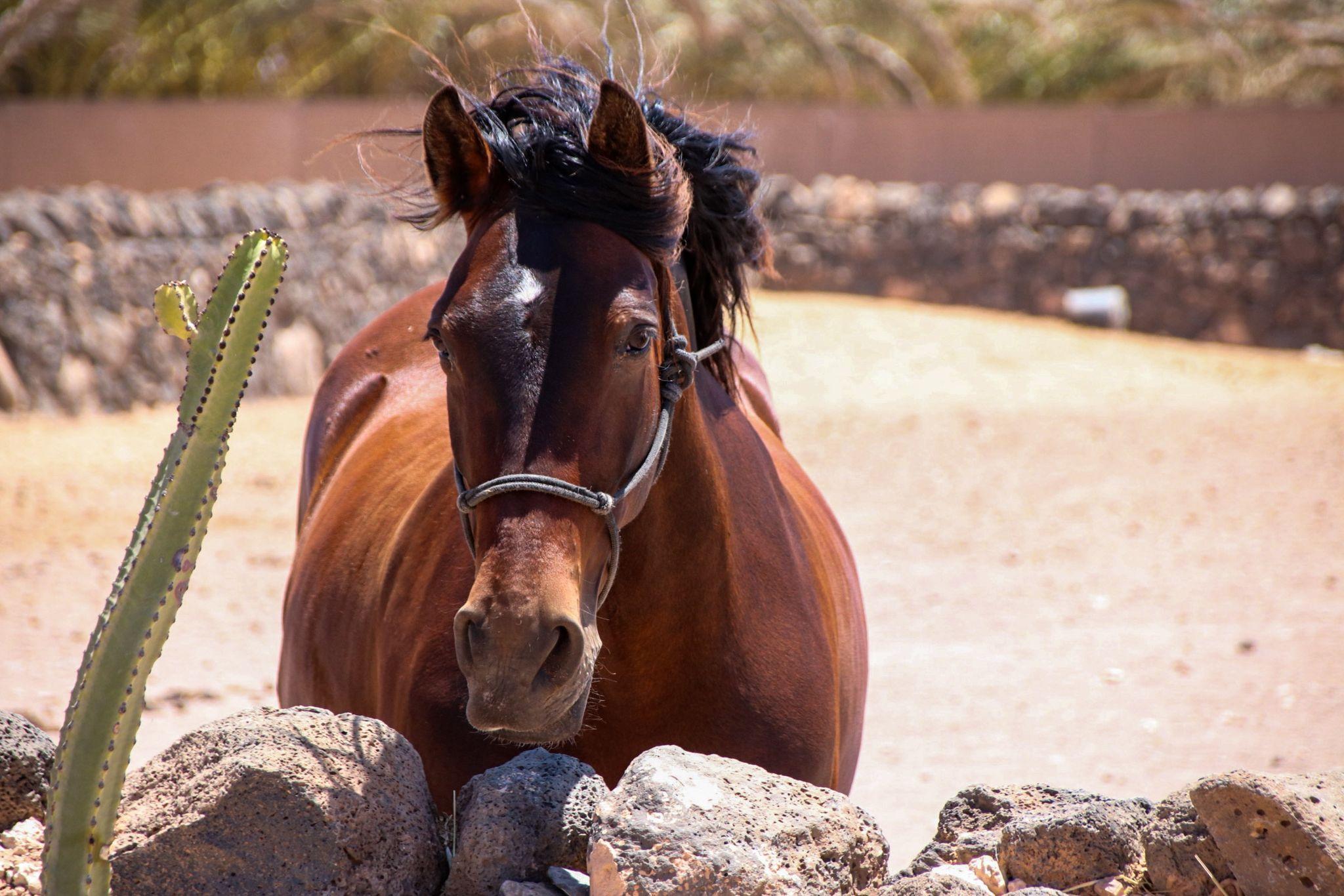
Intimate two-hour ride for up to two guests along dramatic Atlantic cliffs with trained horses
Verification of dolphin watching fuerteventura corralejo tickets at the harbor meeting point.
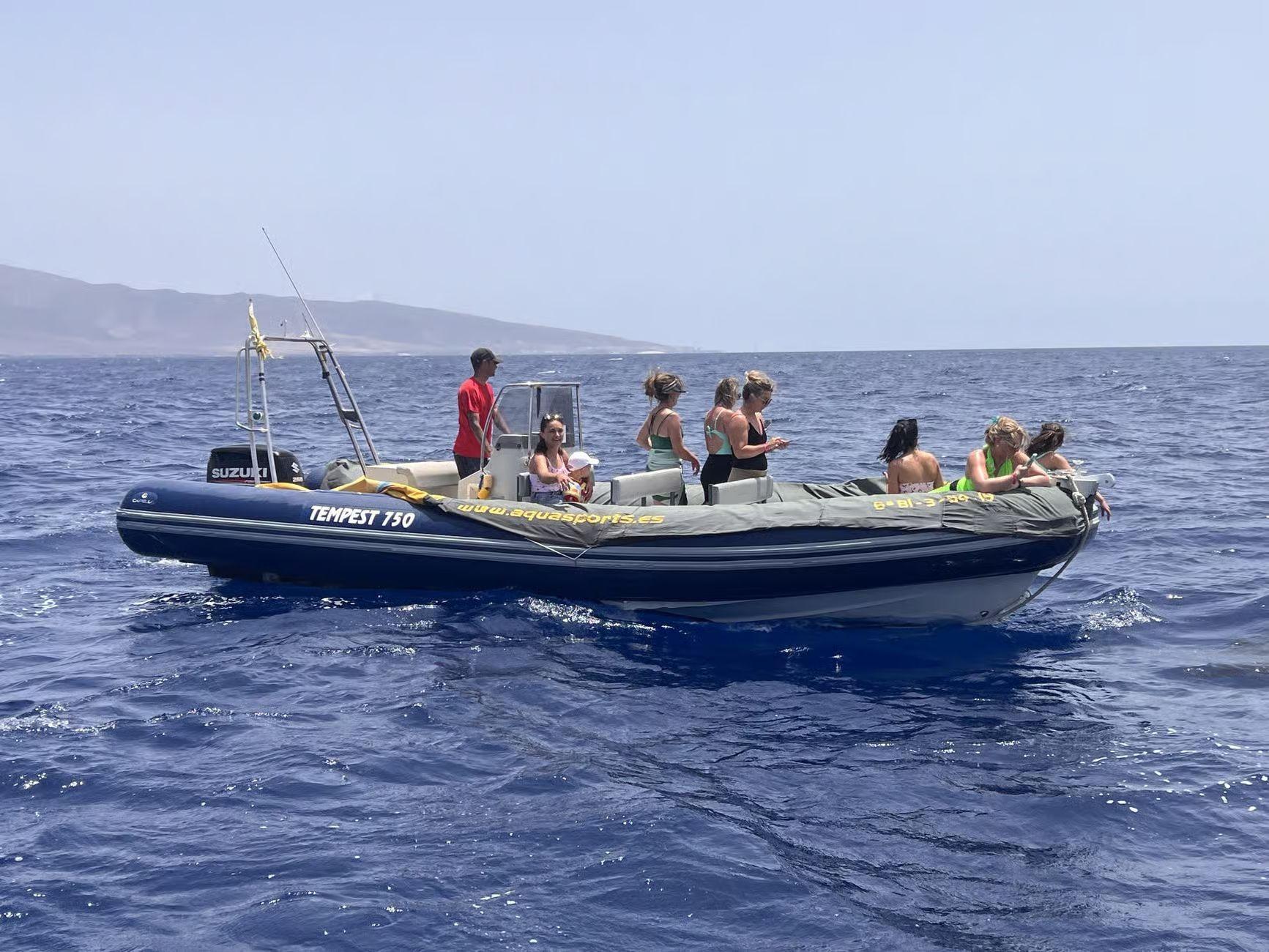
Safety briefing and vessel departure from Puerto de Corralejo.
Searching for cetaceans in the Atlantic waters.
Arrival back at the dock after completing the tour.
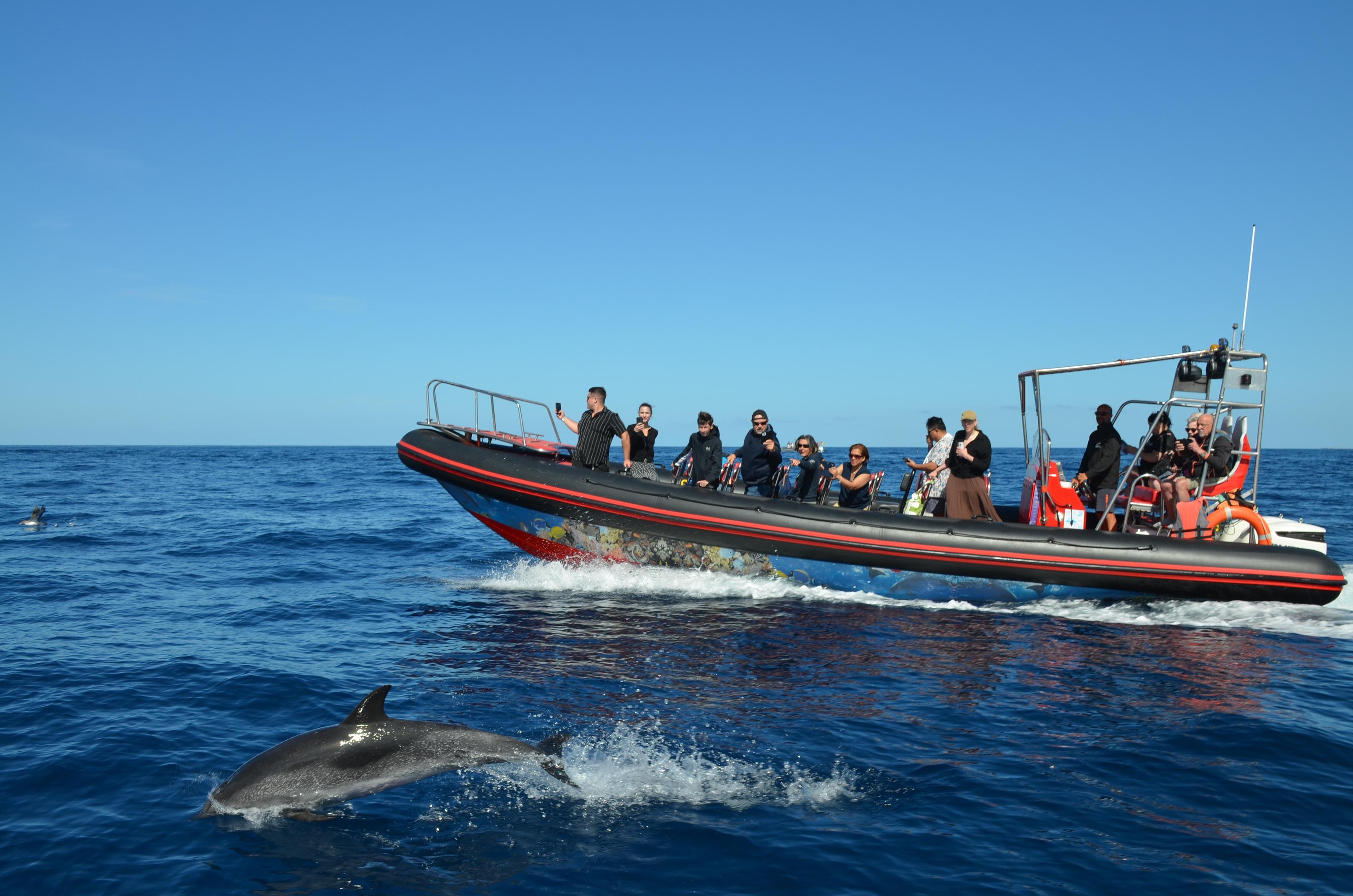
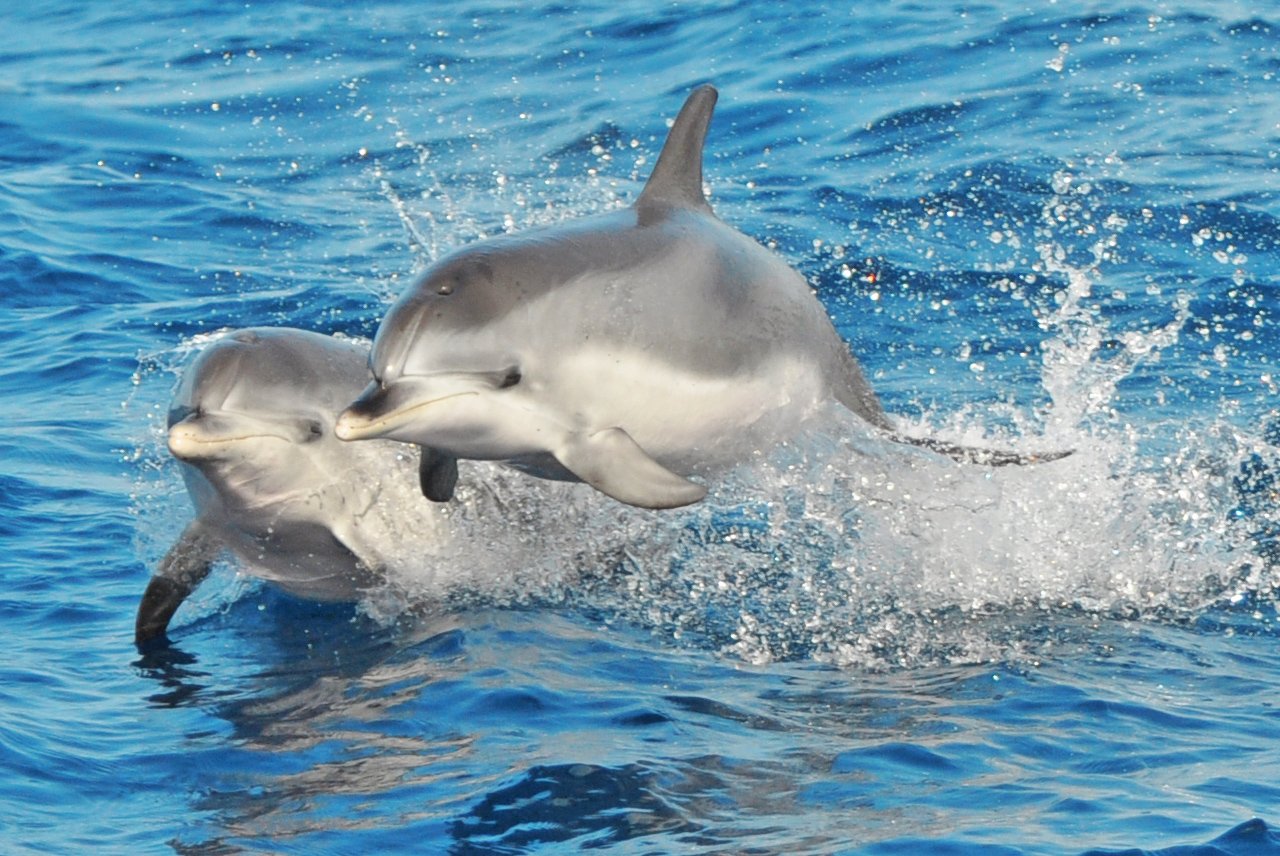
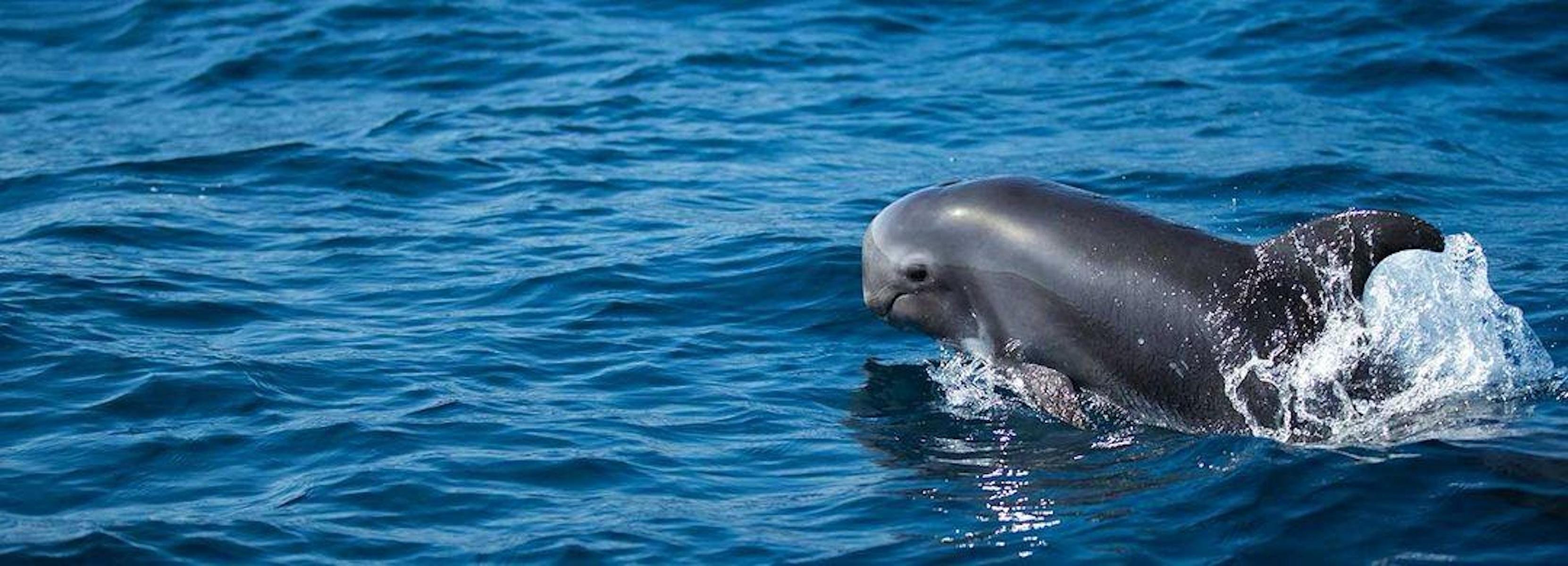
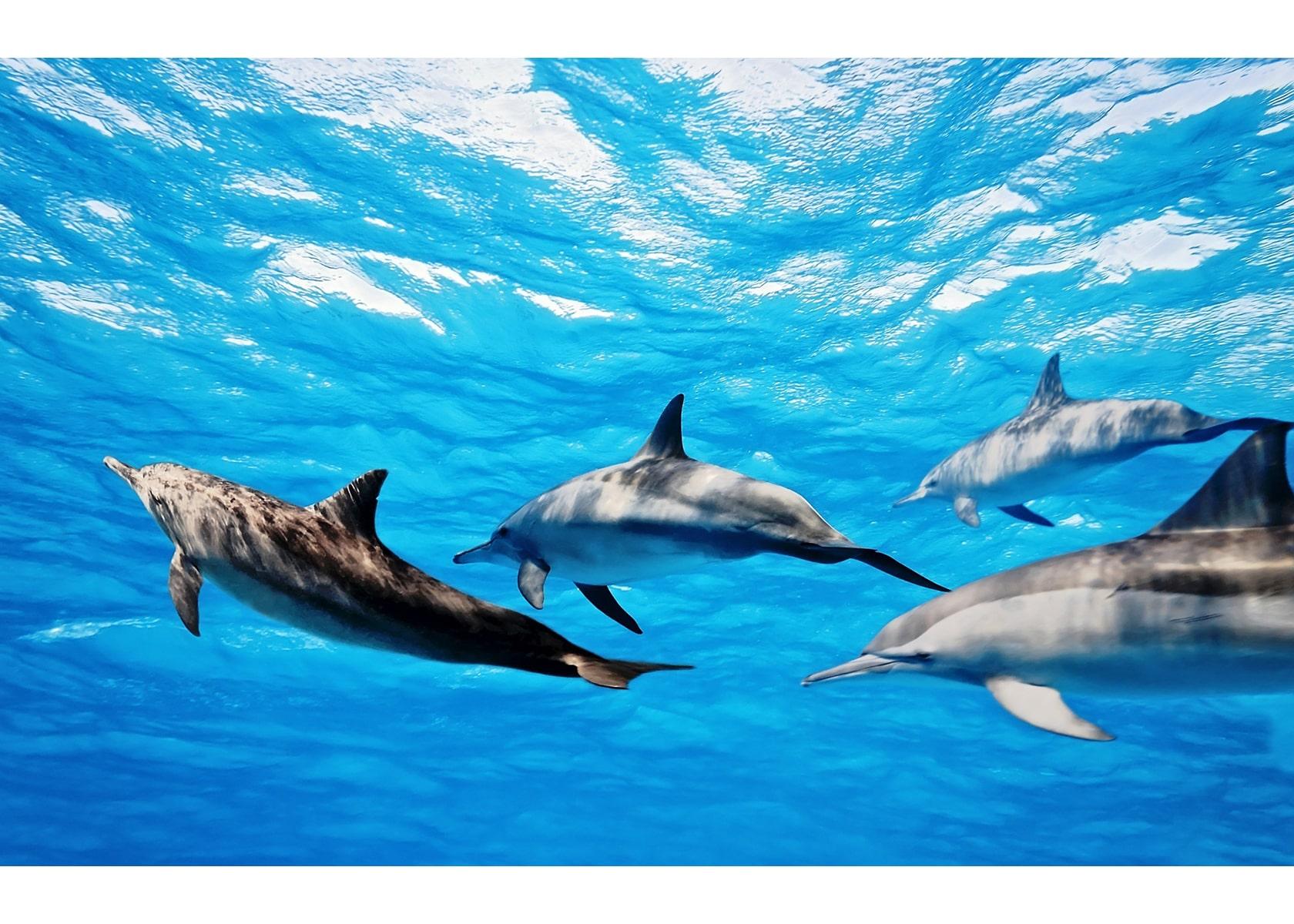
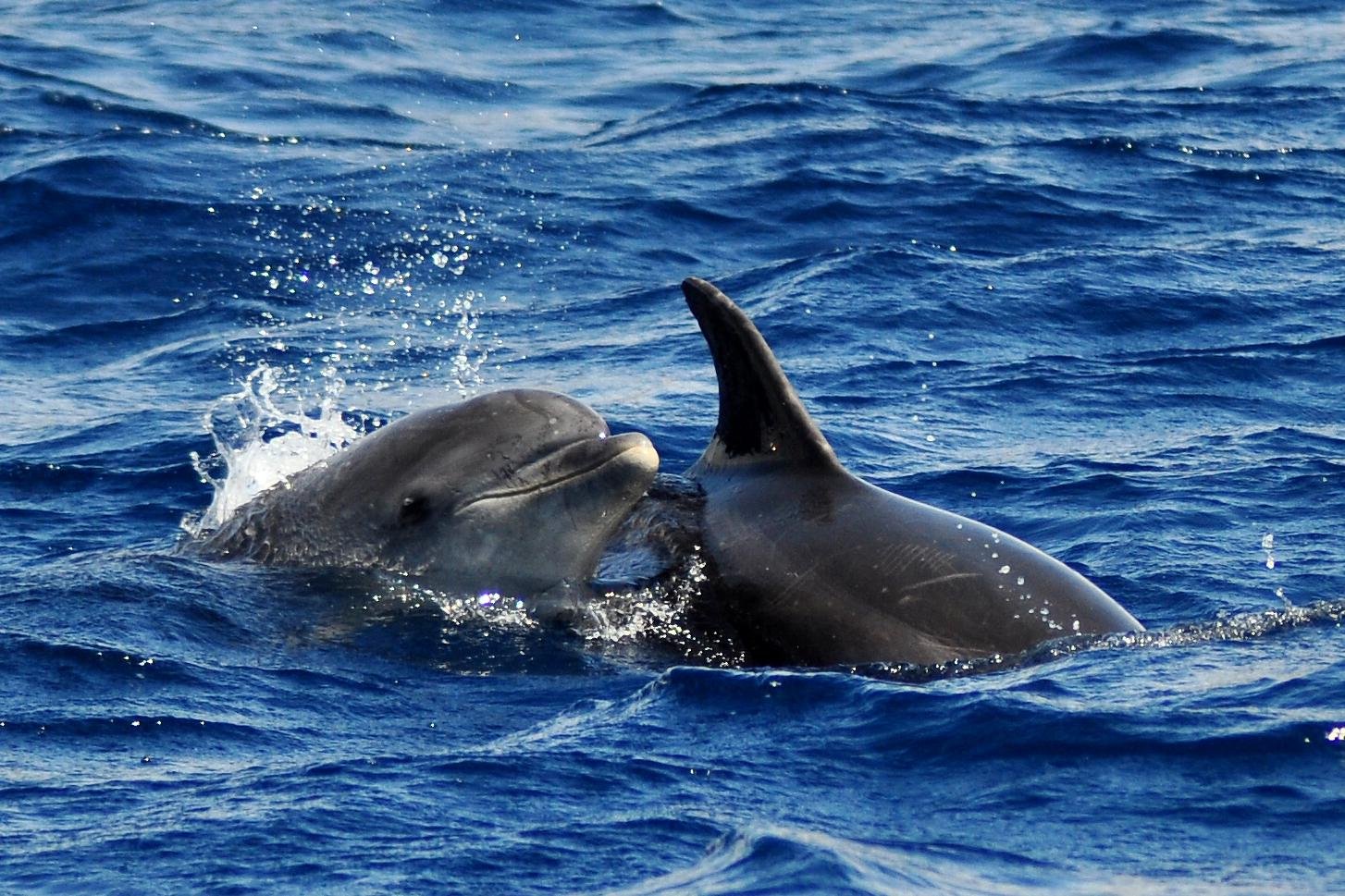
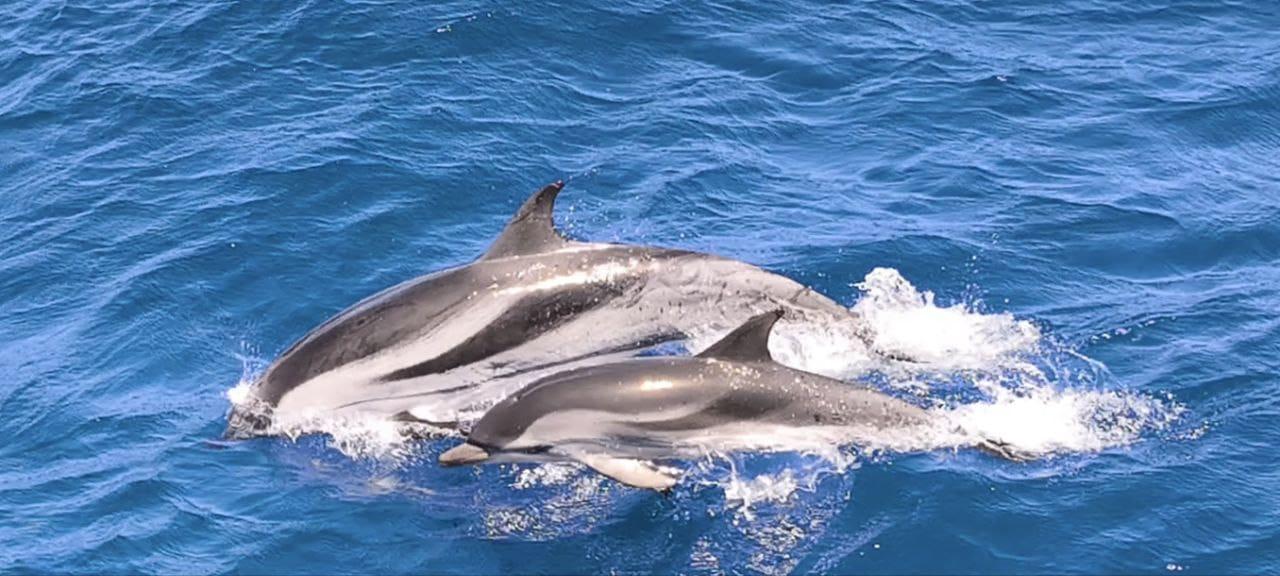
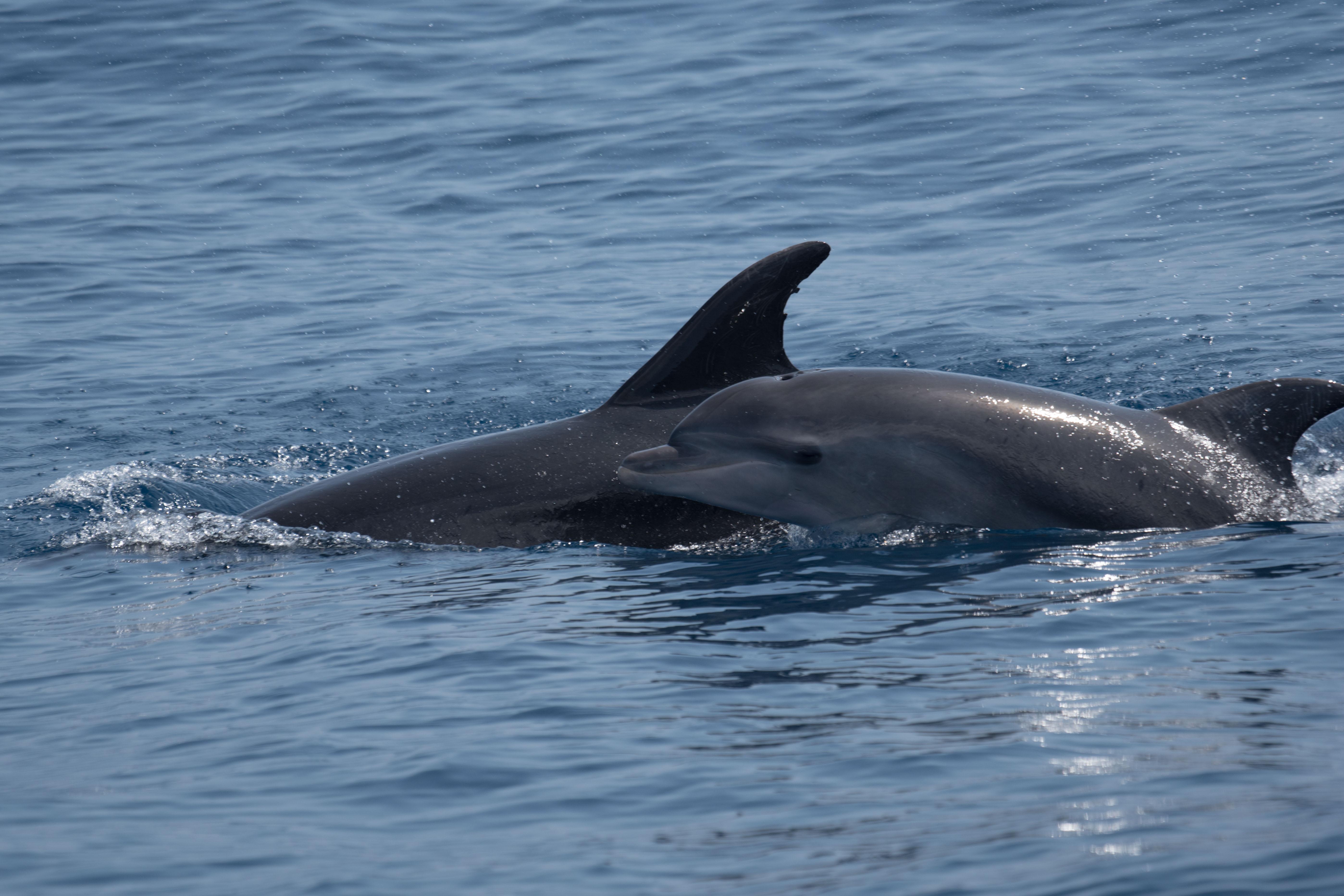
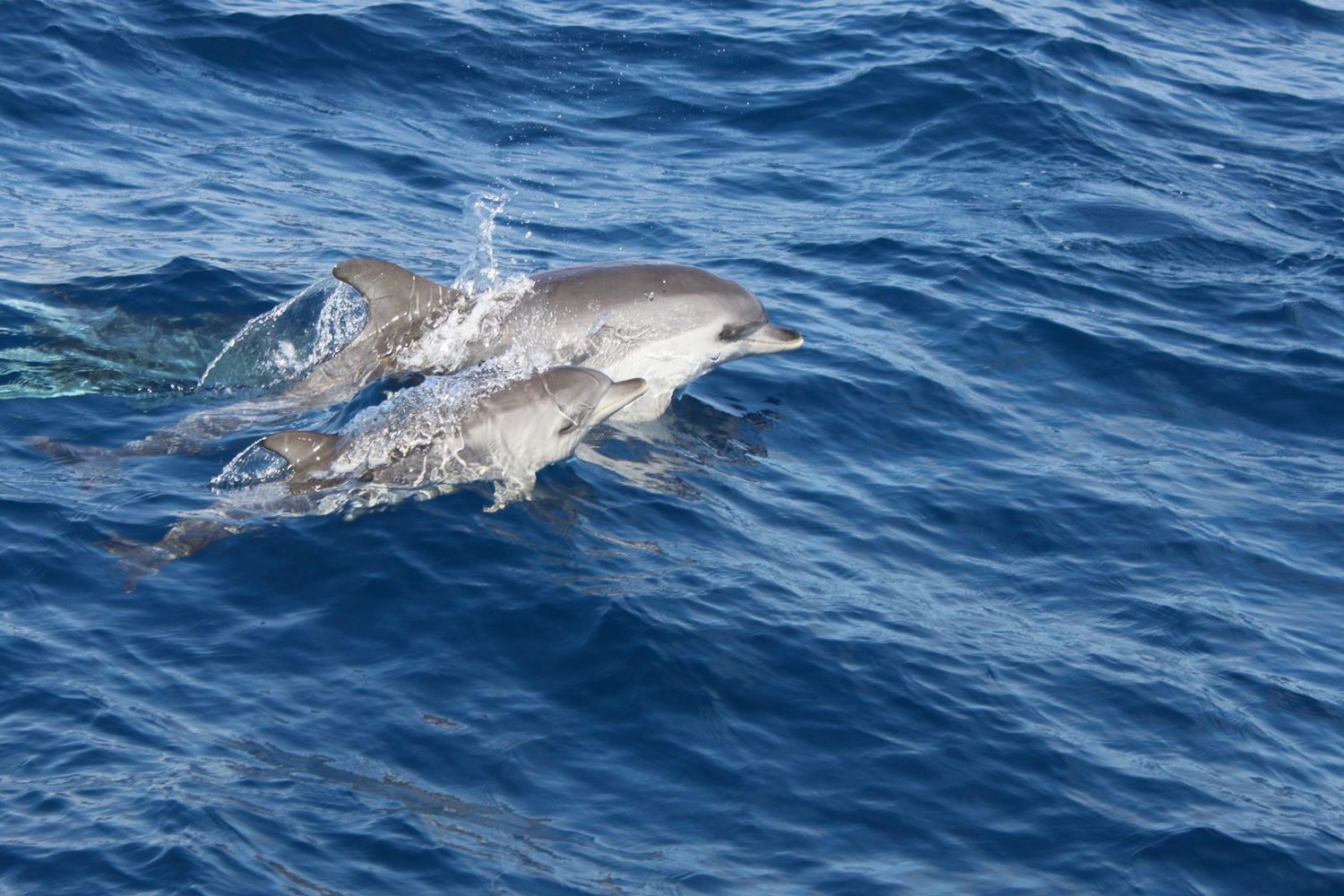
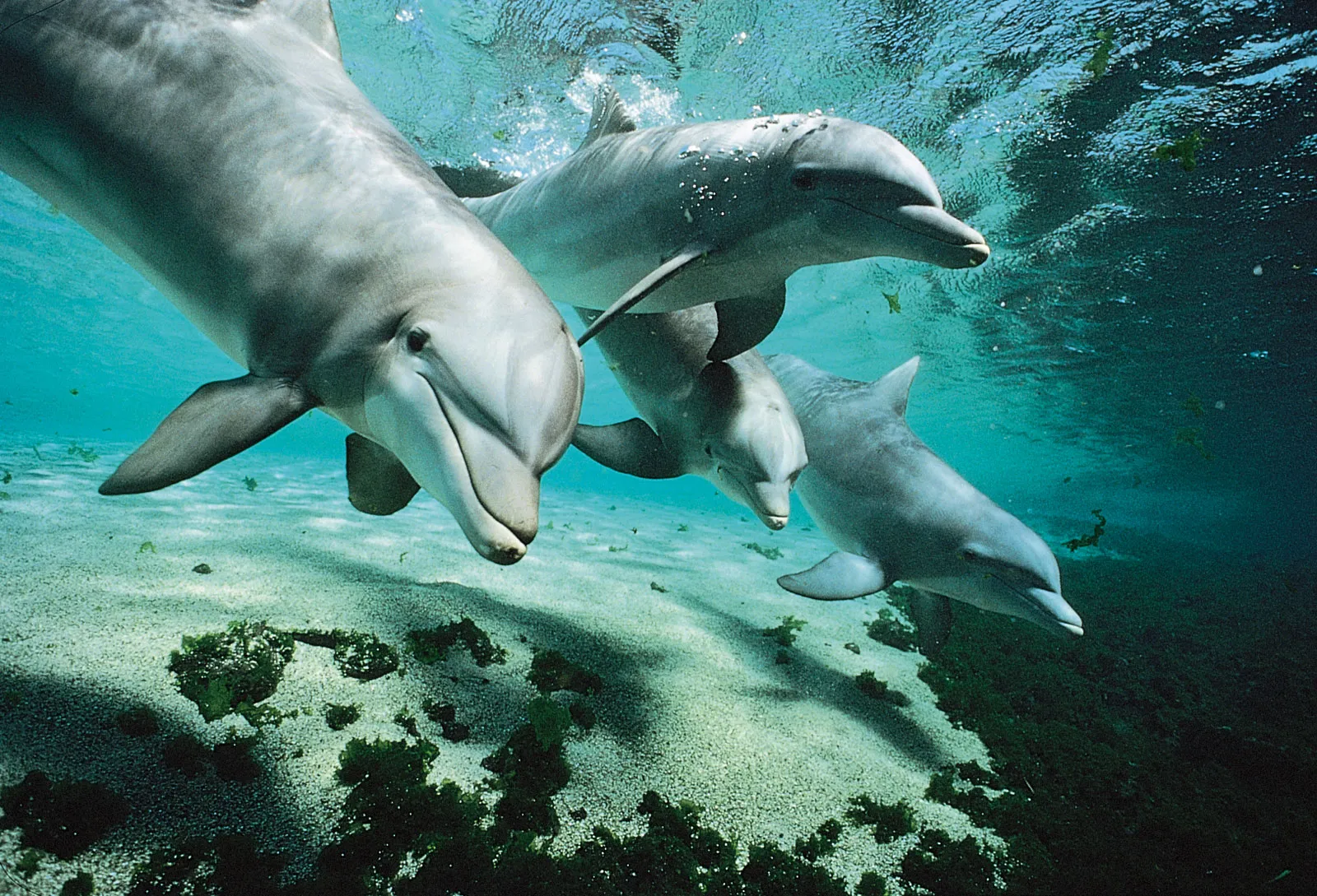
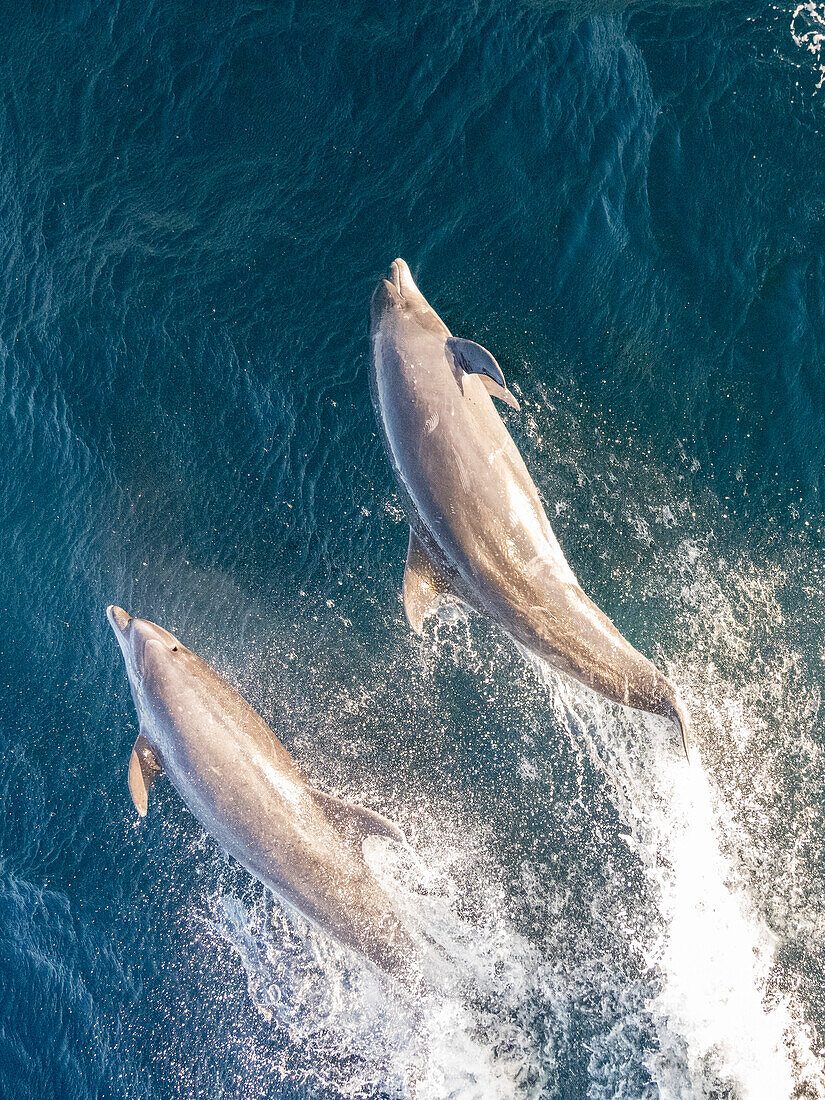
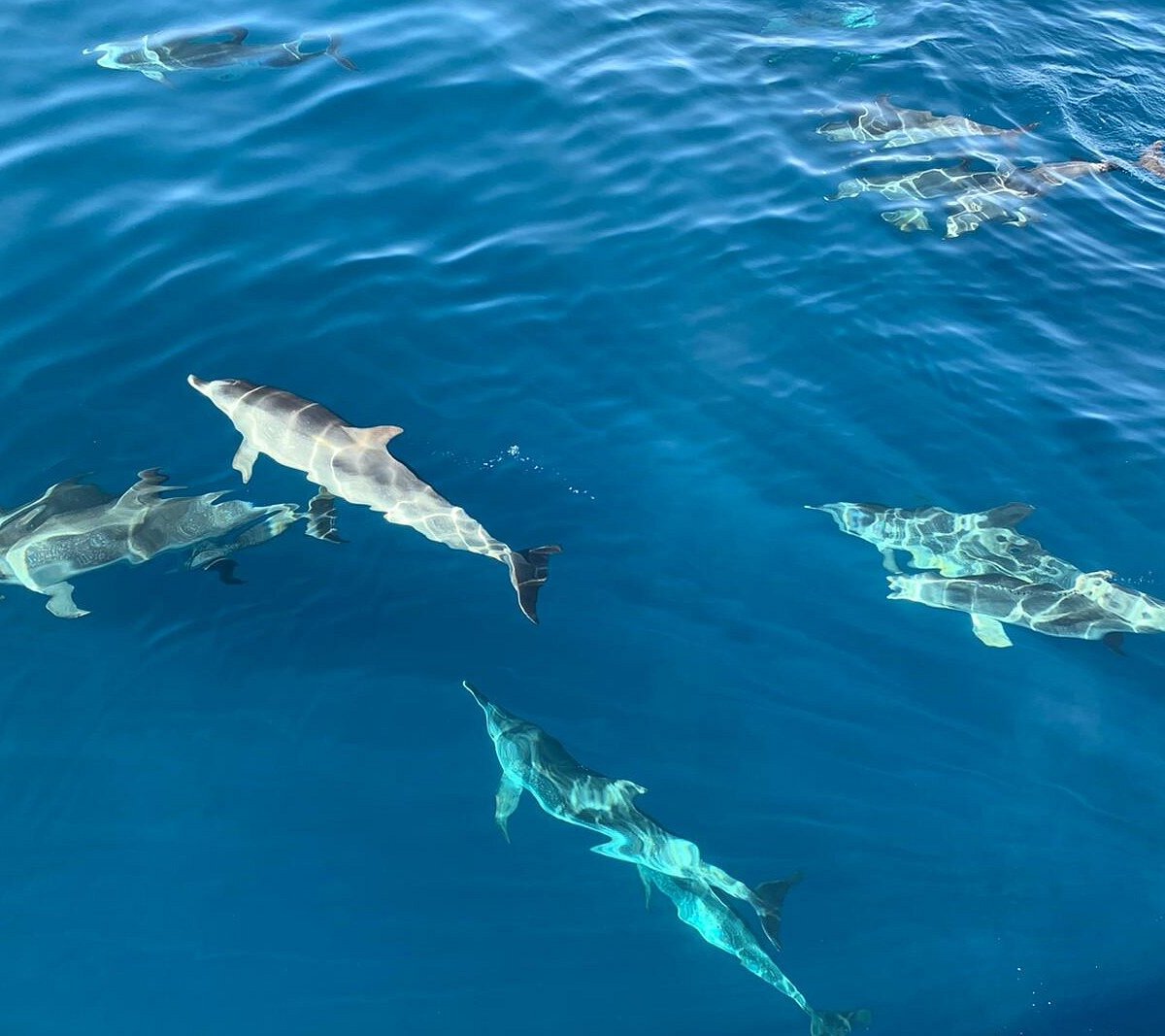
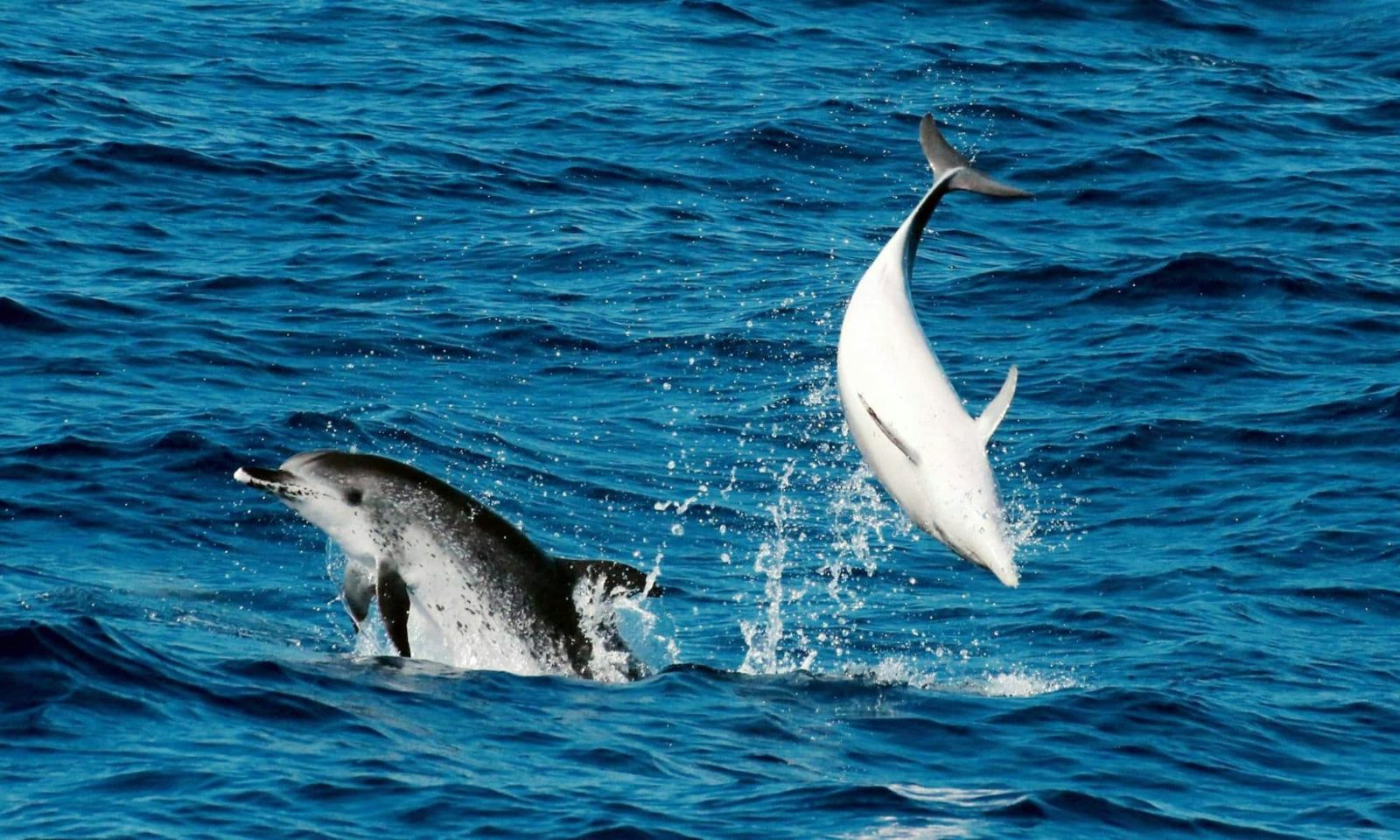
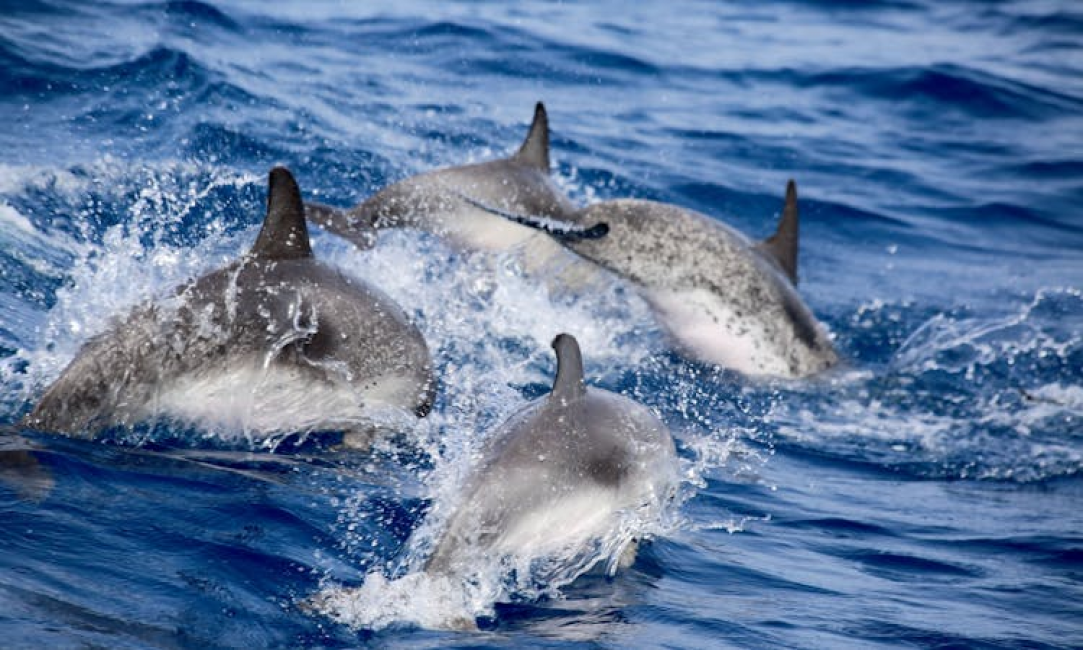
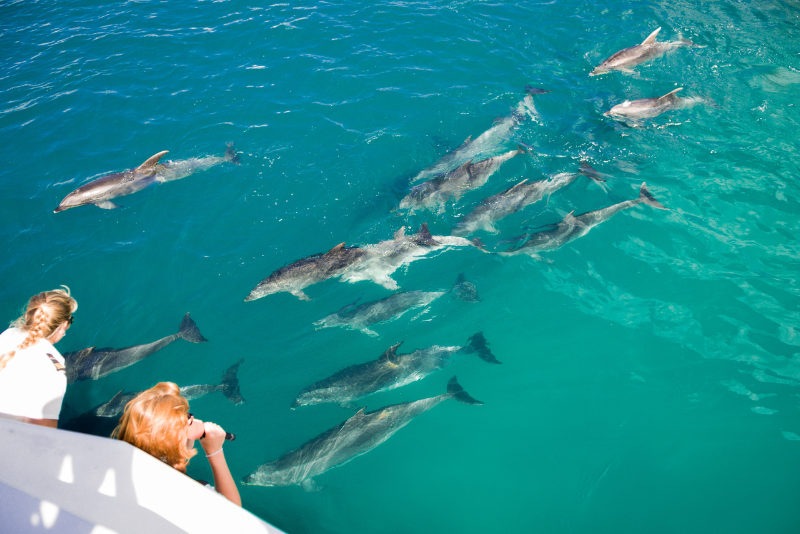
Observe pods that frequent these waters, often showing playful behavior near the bow of the vessel.
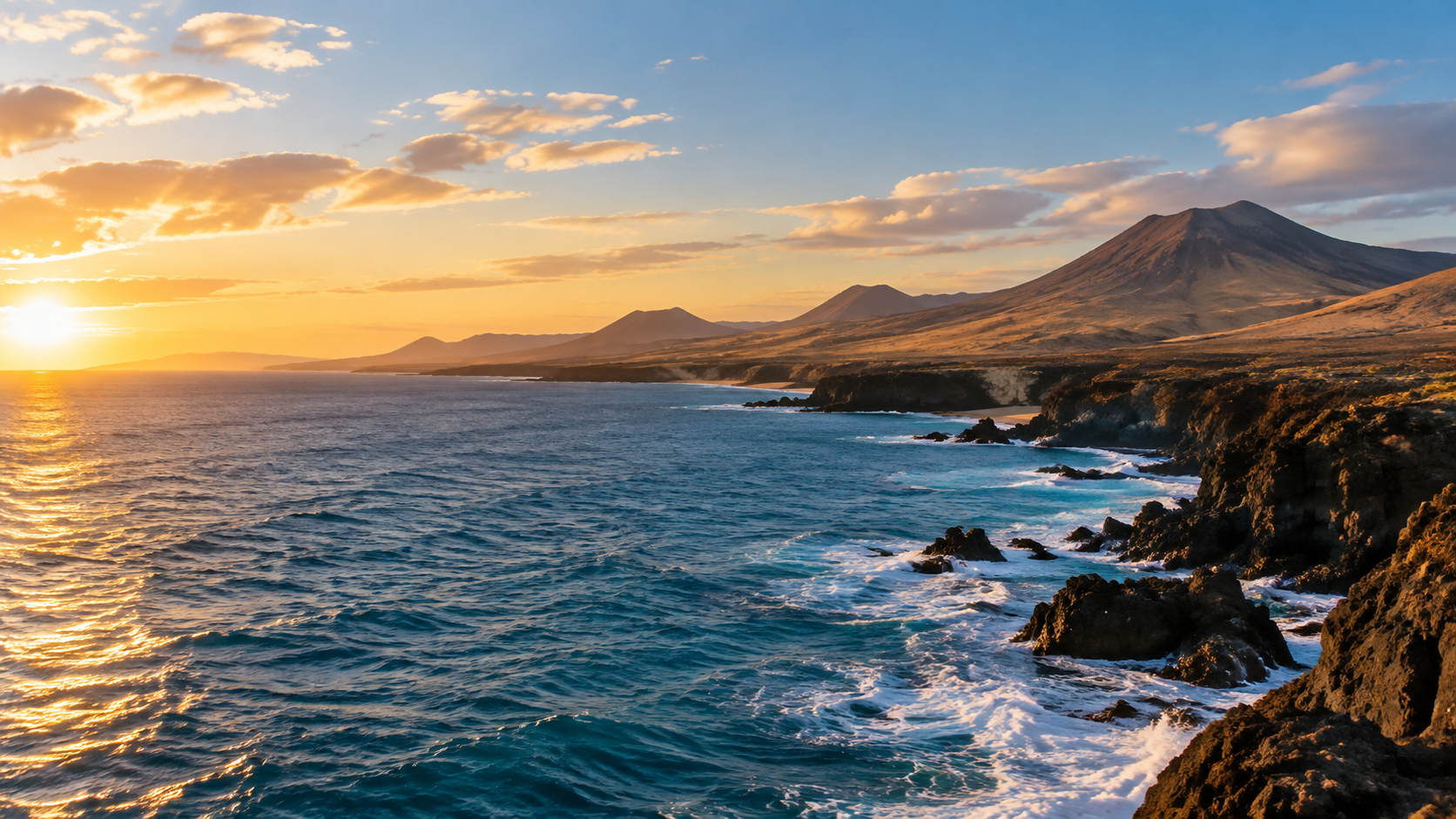
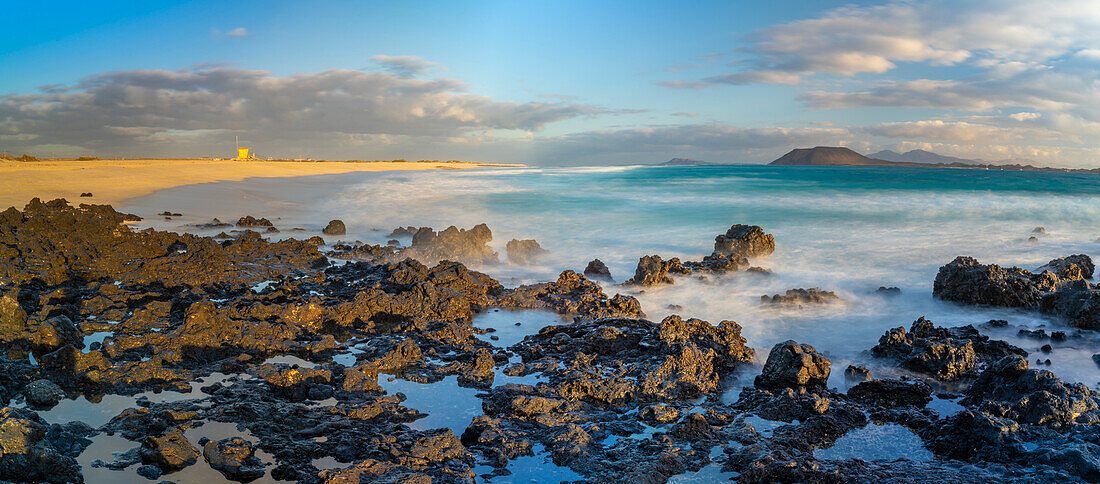
View the volcanic profiles of the coastline from the perspective of the Atlantic Ocean.
Spot a variety of cetaceans, including pilot whales, which inhabit the channels around the island.
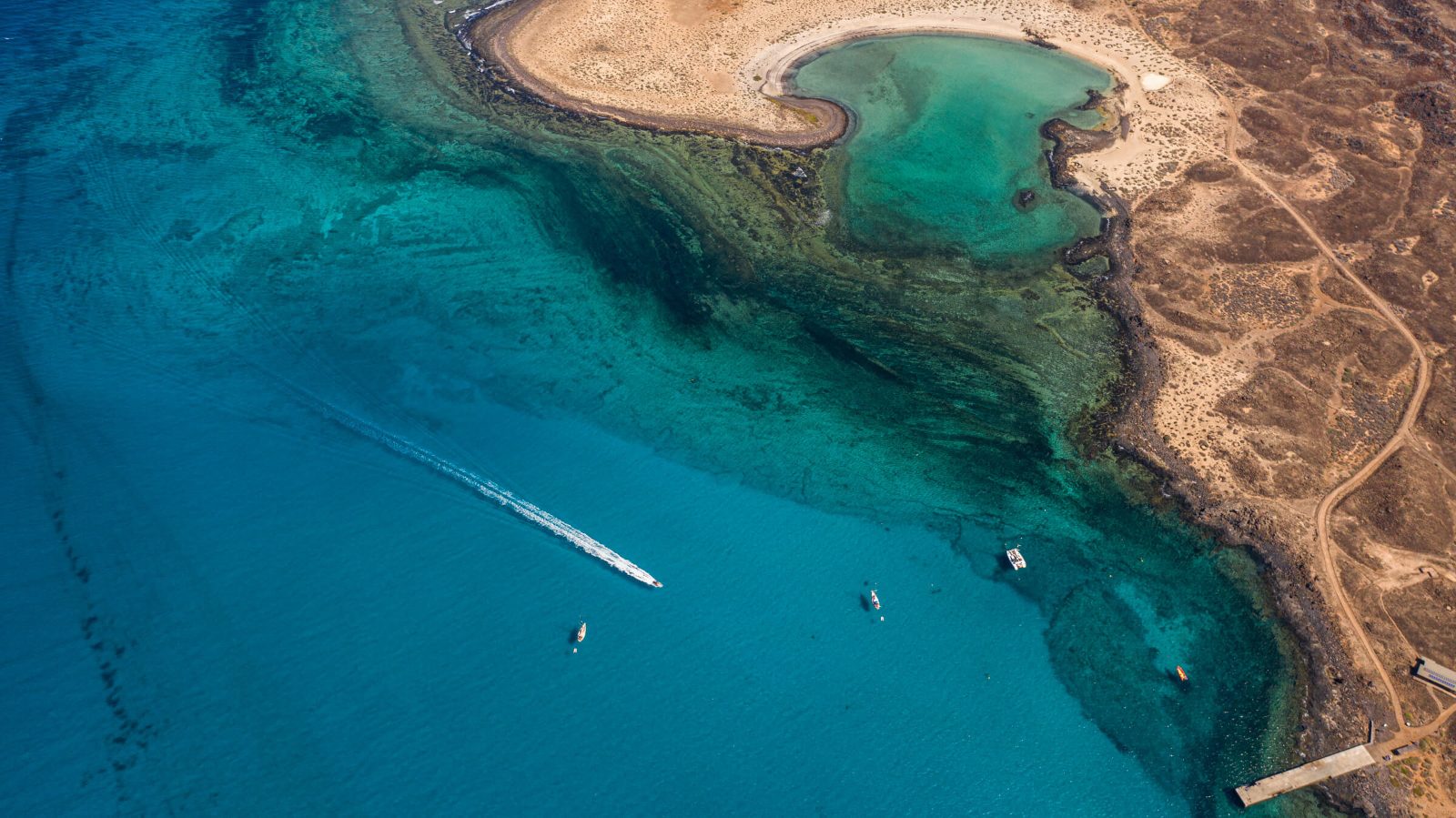
Experience the route departing from Puerto de Corralejo, navigating the strait between islands.
Look for diverse marine species in the nutrient-rich currents surrounding the archipelago.
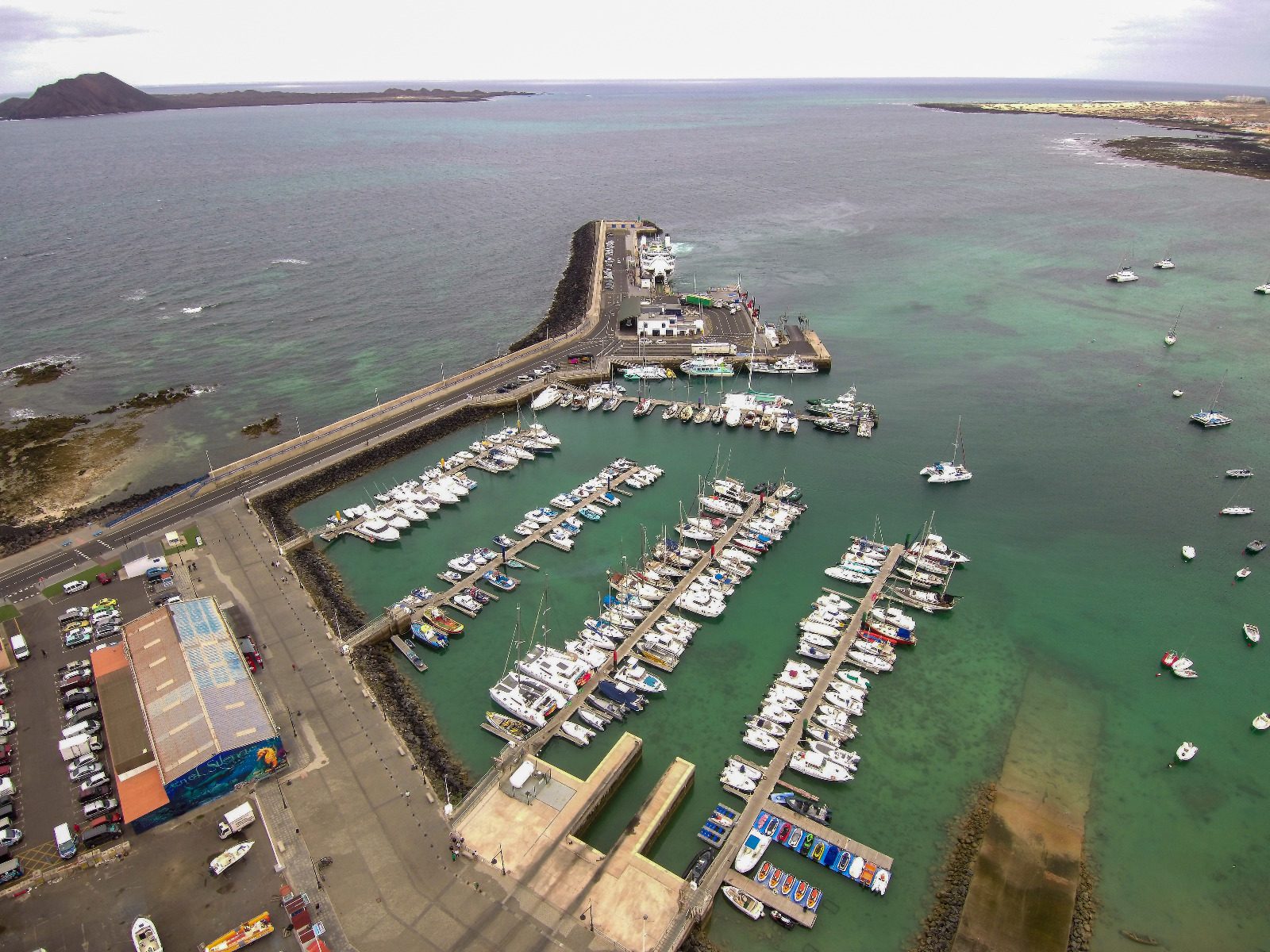
You board at Puerto de Corralejo's main pier, where catamarans or rigid inflatables depart daily between 09:00 and 14:00, the morning window offering calmer Atlantic conditions and stronger light for photography.
Crew members brief you on approach protocols before the vessel clears the harbor breakwater and accelerates northward along the coastline, Isla de Lobos rising to starboard as the water deepens from turquoise to indigo. Within 20 minutes you reach the pilot whale feeding grounds, the engine cutting to idle as a guide scans the horizon for blows — the vertical spray marking surfacing cetaceans.
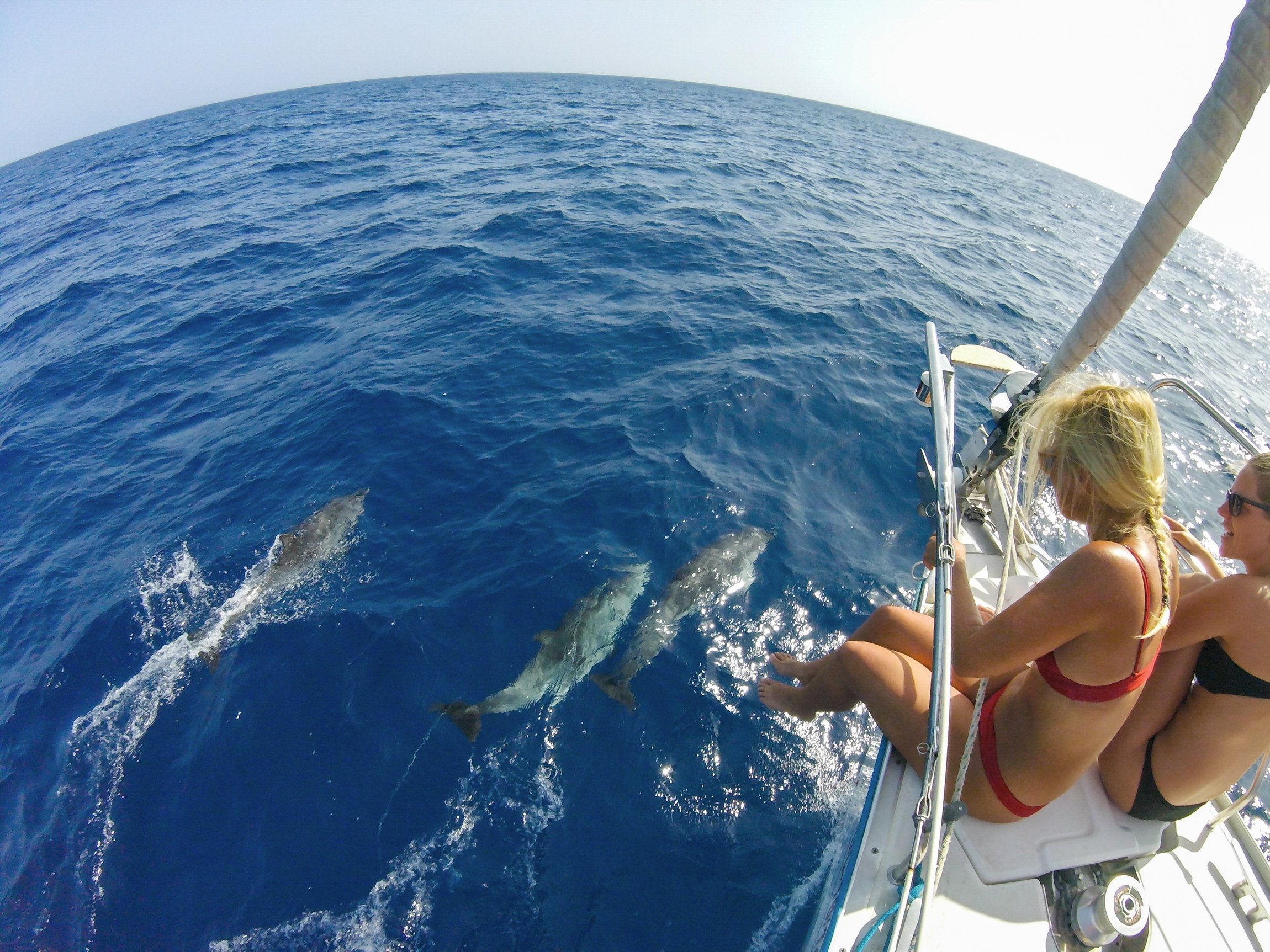
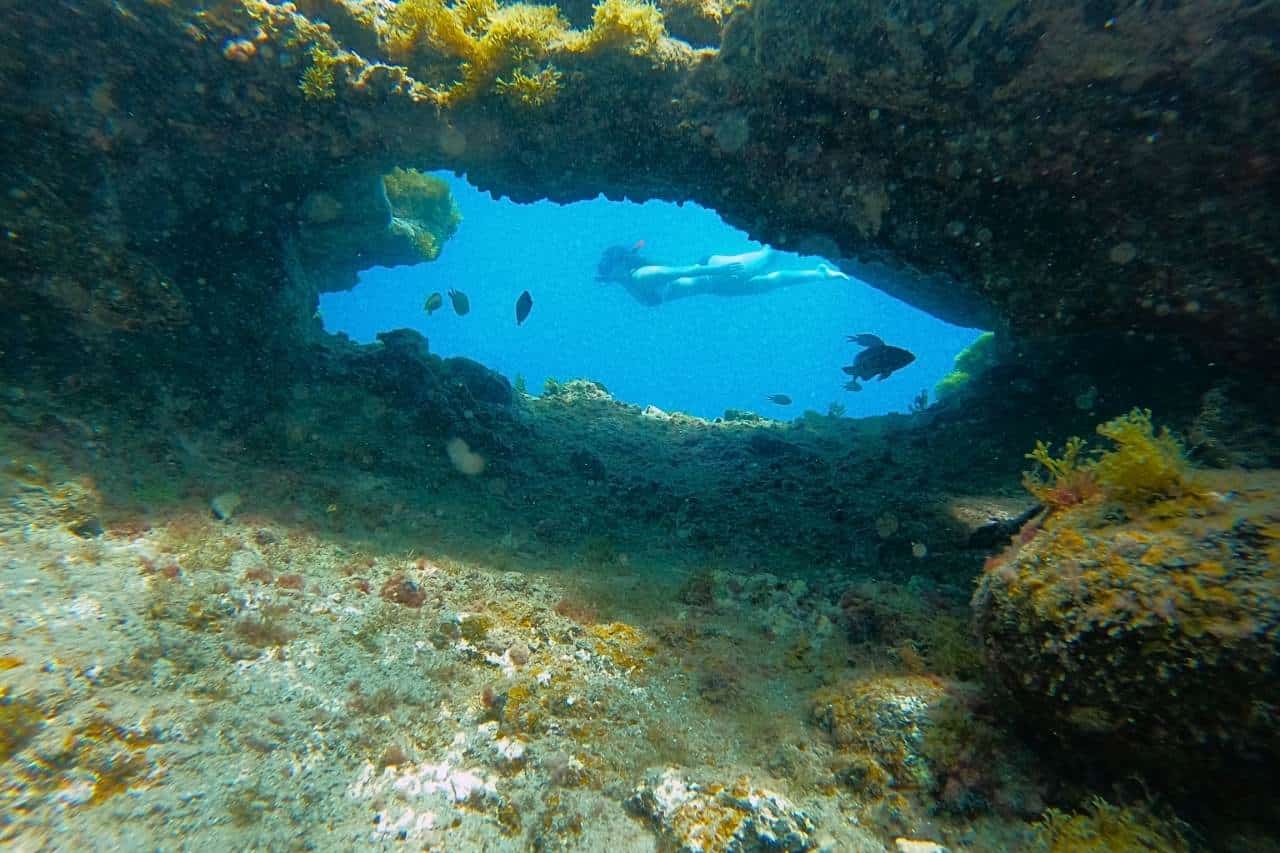
Dolphins announce their presence through bow-riding behavior, sleek bodies slicing through the pressure wave at the hull's leading edge, their synchronized leaps occurring within arm's reach of the rail. You watch a pod of 12 bottlenose dolphins circle the vessel, their curiosity bringing calves to the surface for inspection before the group peels away toward deeper water. The catamaran anchors in a sheltered bay, and you descend a swim ladder into water temperature hovering near 22 degrees Celsius, snorkeling over volcanic boulders where parrotfish graze and damselfish dart between crevices.
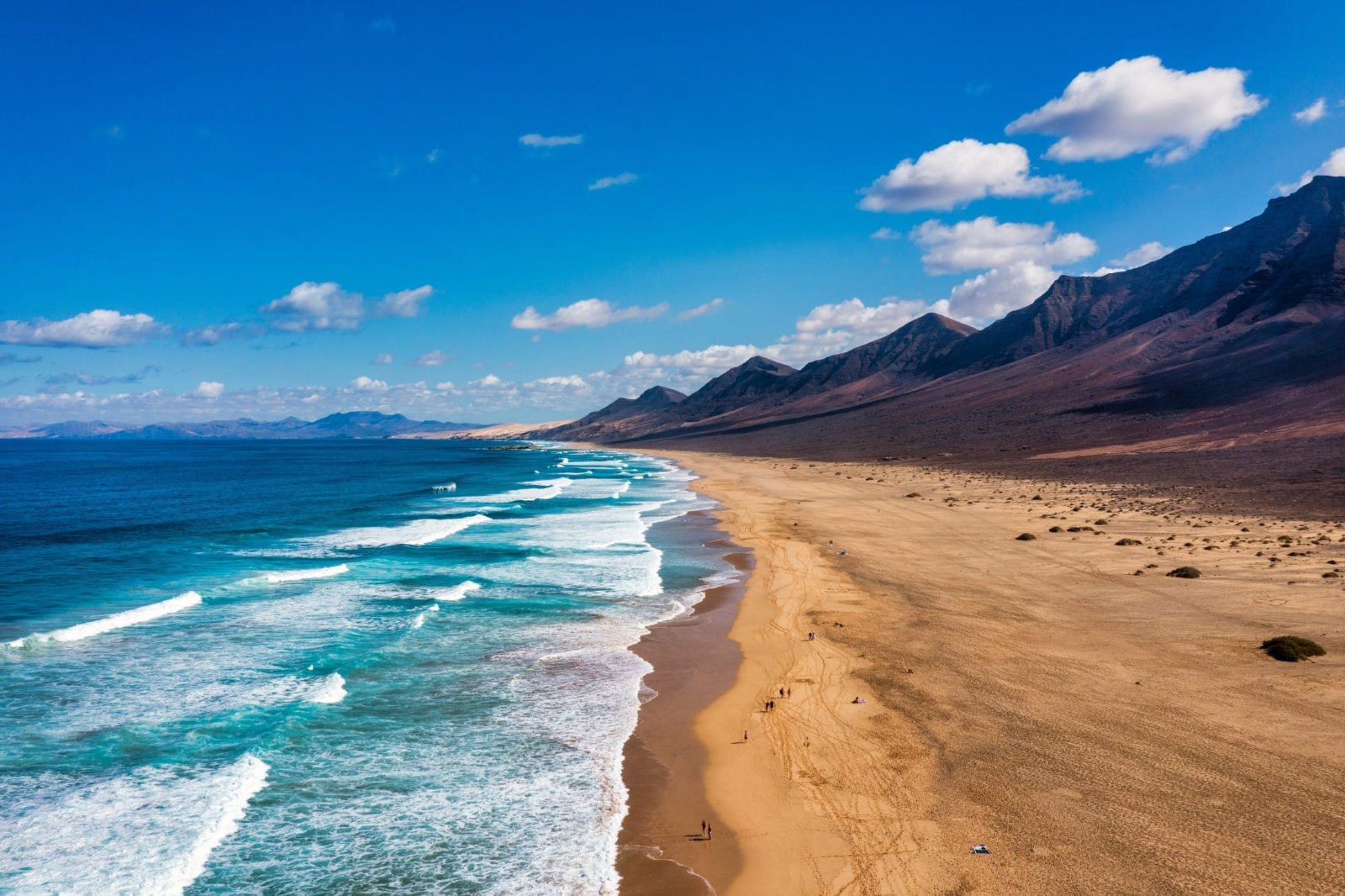
Pilot whales surface 80 meters distant, their rounded heads breaking the waterline in slow, deliberate exhalations before submerging for four-minute dives. The return journey follows the Corralejo dunes coastline, white sand ridges stacked against the interior plateau, before the vessel re-enters harbor by early afternoon.
All the details about your upcoming adventure in one place
Fuerteventura's northeastern coast hosts resident populations of bottlenose dolphins and short-finned pilot whales year-round, their feeding grounds anchored by the cold Canary Current that upwells nutrient-rich water between Corralejo and the offshore Isla de Lobos nature reserve.
Marine biologists documented 28 cetacean species in these waters since systematic surveys began in 1999, including Bryde's whales during autumn migrations and occasional sightings of loggerhead turtles near the Tostón reef systems. Puerto de Corralejo, a former fishing village transformed into a marine departure hub, serves as the primary embarkation point for Atlantic Ocean excursions departing between dawn and mid-afternoon when sea conditions favor visibility.
The underwater topography shapes marine biodiversity: volcanic rock platforms drop to sandy channels where bottlenose dolphins hunt schooling fish, and pilot whale pods congregate in water columns exceeding 200 meters depth just four kilometers offshore. Conservation protocols enacted in 2018 mandate minimum approach distances of 60 meters for motorized vessels and prohibit engine operation within 100 meters of resting whale pods, regulations enforced by Canary Islands maritime authorities to protect calving grounds identified near Lobos Island's eastern shelf. Tour operators collaborate with university research teams, contributing sighting data to the Cetacean Atlas of the Canary Islands, a longitudinal database tracking migratory patterns and population health across the archipelago.
Dolphin watching Fuerteventura Corralejo excursions typically follow northward routes toward the straits separating Fuerteventura from Lanzarote, where tidal convergence zones concentrate prey fish. Ocean safaris combine marine observation with snorkeling anchorages at protected bays along the Parque Natural de Corralejo dunes coastline, their turquoise shallows hosting sergeant major damselfish and cuttlefish over volcanic boulders. Catamaran vessels accommodate between 12 and 50 passengers, their twin-hull stability reducing motion sickness on Atlantic swells that average 1.2 meters during summer months and increase to 2 meters in winter when northeasterly trade winds strengthen.
Marine guides carry hydrophones to detect dolphin echolocation clicks and pilot whale vocalizations beneath the surface, acoustic cues that precede visual sightings by several minutes. The Fuerteventura Biosphere Reserve designation, awarded by UNESCO in 2009, extends marine protection to 13 nautical miles offshore, creating a buffer zone where commercial fishing restrictions reduce competition for the same mackerel and sardine stocks that sustain cetacean populations. Modern dolphin watching Fuerteventura Corralejo operations integrate education with observation, guides explaining dorsal fin identification methods used to track individual dolphins and the social structures of pilot whale matrilineal pods that remain together across decades.
Twenty-eight cetacean species documented in Fuerteventura's northeastern waters since systematic marine surveys began in 1999.
Wear comfortable layers and wind-resistant clothing as sea temperatures on dolphin watching fuerteventura corralejo tours can be cooler than on land. Non-slip footwear is required for safety on deck.
Keep personal bags compact and waterproof to protect items from sea spray during dolphin watching fuerteventura corralejo excursions. Large hard-shell suitcases are generally prohibited on smaller boats.
You are encouraged to bring cameras to document marine life during a dolphin watching fuerteventura corralejo tour. Use a fast shutter speed to capture fast-moving cetaceans, and ensure equipment is secured with a neck strap.
Dolphin watching fuerteventura corralejo is suitable for most children, provided they can remain seated safely during navigation. Life jackets for all age groups are mandatory and provided on board.
Access to vessels for dolphin watching fuerteventura corralejo varies by operator and boat design. Passengers with mobility limitations should confirm boarding logistics at the harbor before purchasing dolphin watching fuerteventura corralejo tickets.
Bringing water and light snacks is permitted, though many dolphin watching fuerteventura corralejo tours include refreshments. Ensure all waste is securely stored to prevent it from entering the ocean.
Opening Hours
09:00–18:00
Address
Puerto de Corralejo, 35660 Corralejo, Fuerteventura, Spain
Accessibility
Varies by vessel type; inquire about ramp access.
Best arrival window
09:00–14:00
Navigation
Follow signage to the main jetty at Puerto de Corralejo.
Car · Varies · Free/Paid options
Follow the FV-1 motorway toward Corralejo and use public parking near the port.
Public transport · 45 min · Budget-friendly
Take bus lines 6 or 8 to the Corralejo station, a short walk from the port.
Full refunds are typically available for cancellations made at least 24 hours before the departure time. Since there is no central entrance fee of 0 EUR, please refer to the specific operator policy for tour cancellations.
Recommended time
3-4 hours
Most excursions from Puerto de Corralejo last between 3 and 4 hours, allowing sufficient time for boat navigation and marine life observation. Engaging in dolphin watching fuerteventura corralejo during the initial morning departures ensures calmer waters for spotting cetaceans. Booking dolphin watching fuerteventura corralejo tours in advance is recommended to secure preferred boarding times. For those seeking flexibility, afternoon dolphin watching fuerteventura corralejo tickets remain available, though sea conditions may become slightly more active as the day progresses.
Crowd levels through the day
Weather · crowds · average price — dots go green to amber to red as each metric rises.
March to May offer mild temperatures and active marine life sightings.
June to August provide consistent sunshine and calmer sea conditions for your trip.
September to November offer pleasant weather and fewer crowds for observers.
December to February can be windier, though visibility remains high on clear days.
Reserve dolphin watching fuerteventura corralejo tickets online in advance to secure a spot during peak seasons.
Check marine forecasts before your dolphin watching fuerteventura corralejo tour to avoid dates with high swell.
Even on cloudy days, the sun is strong on the water; apply protection before boarding.
If prone to motion sickness, take preventative medication at least one hour before departure.
Maintain distance and follow crew instructions to minimize impact on the dolphins' natural behavior.
Puerto de Corralejo, 35660 Corralejo
Look for the operator's sign at the main pier.
Get directionsThe waters surrounding Corralejo became a refuge for cetaceans long before humans arrived, but organized dolphin watching fuerteventura corralejo began only in the late 1990s when local fishermen noticed the reliable presence of short-beaked common dolphins and bottlenose dolphins in the strait between Fuerteventura and Isla de Los Lobos. The first commercial whale watching tours launched in 1998 from Puerto de Corralejo, converting traditional fishing vessels into observation platforms. Early operators relied on radio communication to share sighting coordinates, a practice that occasionally led to crowding and disturbance of marine mammal pods. By 2004, the Canary Islands introduced the first Spanish regulations specific to cetacean watching, mandating minimum approach distances of 60 meters for dolphins and prohibiting swimmers from entering the water within 200 meters of a pod. Corralejo operators faced enforcement challenges during peak summer months when unlicensed jet-ski tours pursued dolphin pods aggressively. The 2008 financial crisis forced half of the registered tour companies out of business, but survivors pivoted toward smaller vessels and bilingual marine biology guides, differentiating dolphin watching fuerteventura corralejo tours from mass-market excursions. In 2017, researchers from the University of La Laguna documented a resident population of approximately 80 bottlenose dolphins using photo-identification of dorsal fin notches, confirming that the same individuals returned to the shallow banks east of Los Lobos across multiple years. This discovery shifted operator messaging from "chance encounters" to "high-probability sightings," raising booking rates but also intensifying scrutiny from environmental groups. Today, twenty licensed operators share the route, bound by a voluntary code limiting each pod interaction to fifteen minutes and capping daily departures at seventy vessels across all companies combined.
Fishermen report frequent dolphin sightings in the strait between Corralejo and Isla de Los Lobos but no organized tours exist.
First commercial cetacean watching trips depart from Puerto de Corralejo using converted fishing boats.
Canary Islands enact Spain's first cetacean-watching regulations, establishing 60-meter approach distances and banning swimmer pursuit.
Economic crisis closes half of Corralejo's whale watching operators; survivors adopt smaller vessels and naturalist-guide models.
University of La Laguna identifies a resident bottlenose dolphin population of approximately 80 individuals through dorsal fin photo-identification.
Voluntary industry cap limits daily departures to 70 vessels and restricts individual pod interactions to 15 minutes.
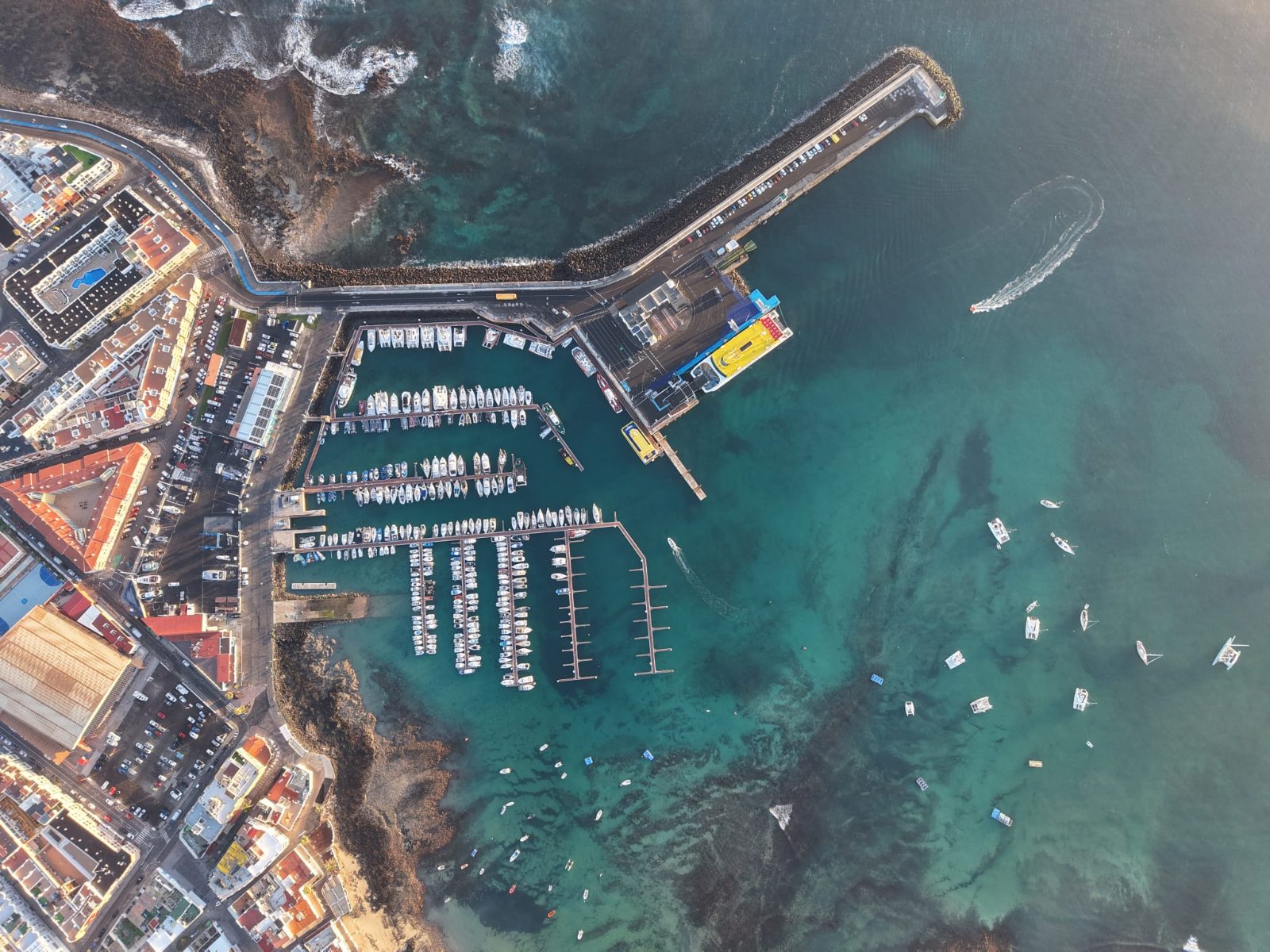
Position yourself near the edge of the boarding area to capture the vessel against the backdrop of the Lobos Island silhouette. This location provides the clearest perspective for dolphin watching fuerteventura corralejo as boats prepare for departure.
Stand at the northern end of this concrete walkway to photograph the catamaran leaving the harbor mouth. It is an ideal spot to document dolphin watching fuerteventura corralejo tours while maintaining a steady tripod setup.
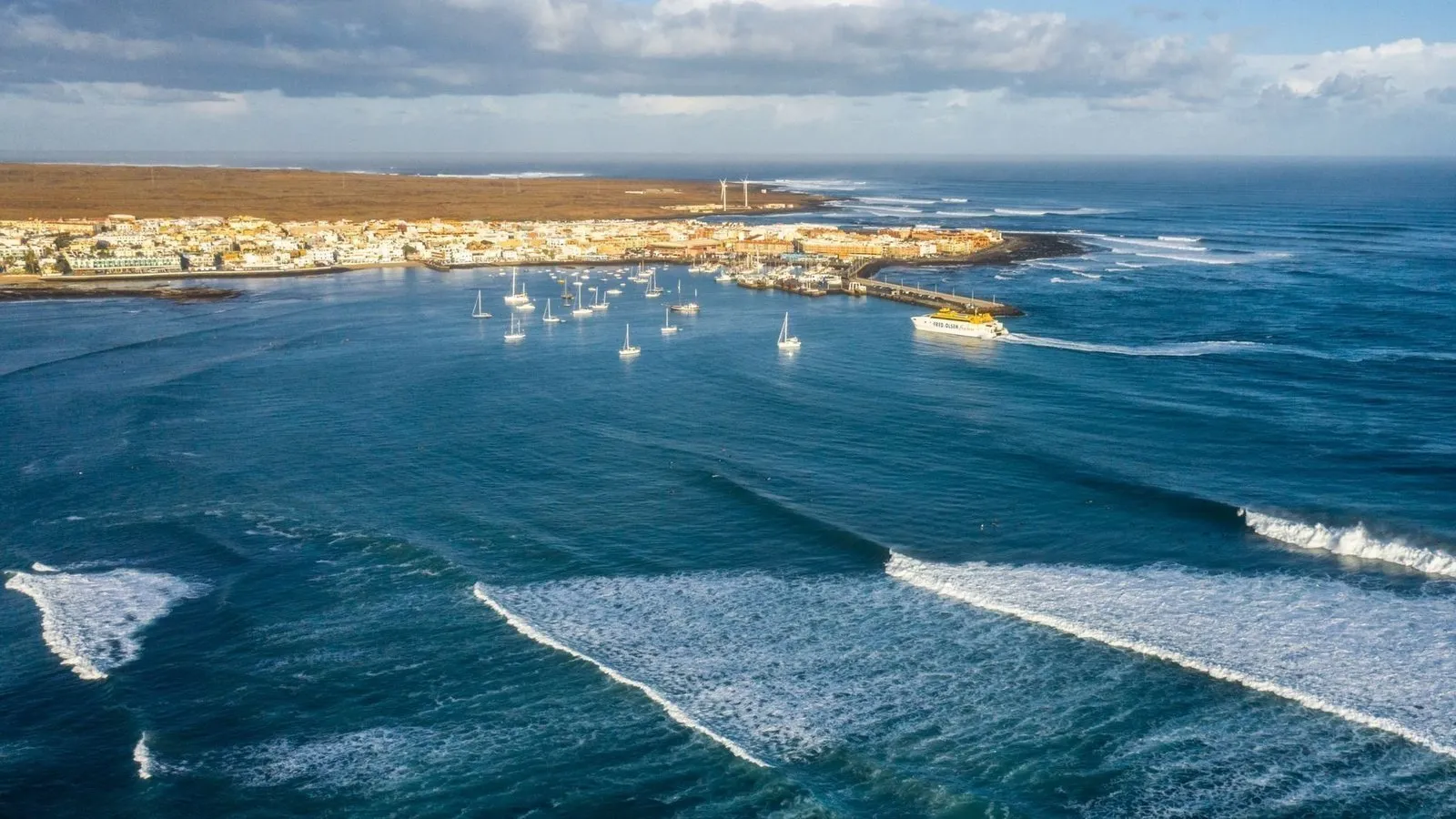
Capture the wide-angle view of the deep blue Atlantic waters from the walkway overlooking the harbor entrance. This vantage point helps frame the wildlife expedition vessels alongside the horizon for those seeking dolphin watching fuerteventura corralejo tickets.
Locate this spot by looking toward the strait between Fuerteventura and the islet where marine mammals frequently surface. Photographers use this angle to focus on the splash of a dolphin watching fuerteventura corralejo tour vessel in the distance.
Exploring the Atlantic for marine life is a highlight for many children, though dolphin watching fuerteventura corralejo requires careful planning to ensure young ones stay comfortable on the open water. Selecting the right vessel and preparation is key to a smooth maritime excursion.
Choose sailing catamarans over high-speed zodiacs if traveling with toddlers, as they offer more deck space, shade, and a smoother ride to see local marine mammals.
While dolphin watching fuerteventura corralejo tours are open to all ages, children aged 5 and older generally handle the boat motion and extended time at sea better than infants.
The ocean glare is strong even on cloudy days, so pack hats, long-sleeved swim shirts, and high-SPF sunscreen to keep children protected during the trip.
If you need dolphin watching fuerteventura corralejo tickets for sensitive travelers, consult a pharmacist about non-drowsy motion sickness bands or remedies before departure.
Bring plenty of water and simple, dry snacks like crackers to manage hunger and keep children happy while waiting for sightings of whales or sea turtles.
Prioritize morning departures for your dolphin watching fuerteventura corralejo tour, as the best arrival window of 09:00–14:00 ensures calmer sea conditions.
The harbor area at Puerto de Corralejo offers several dining spots perfect for a post-excursion meal near dolphin watching fuerteventura corralejo. You will find a variety of casual eateries specializing in fresh catch and traditional Canarian dishes just steps from where dolphin watching fuerteventura corralejo tours depart.
Located right at the port, this venue serves local fish caught daily by island fishermen. It is a reliable choice for authentic flavors after finishing your dolphin watching fuerteventura corralejo tour.
Everything you need to know for your journey
The harbor and operators are open 09:00–18:00 daily.
It is highly recommended to book your dolphin watching fuerteventura corralejo tickets in advance online.
The best arrival window is 09:00–14:00 when sea conditions are typically calmer.
Most operators have no strict age limit, but children must be supervised on every dolphin watching fuerteventura corralejo tour.
Operators will provide a full refund or reschedule if unsafe sea conditions force a cancellation.
Public parking is available near the Puerto de Corralejo entrance.
Yes, bringing a camera is highly encouraged for your dolphin watching fuerteventura corralejo experience.
Most excursions last between 2 to 3 hours depending on the route taken.
Yes, families are welcome, provided minors are supervised throughout the dolphin watching fuerteventura corralejo trip.
A protected natural park reachable by boat from the harbor.
Expansive shifting sand dunes located south of the town.
A central plaza featuring local markets and architecture.
The primary maritime gateway for local sea excursions.
Seafront property with direct harbor access.
High-end resort near the coastal dunes.
Variety of budget and mid-range apartment rentals.
Join thousands of happy travelers who have discovered this incredible experience
Book Your Experience Now