
Quick answer
The whale watching Fuerteventura best time spans November through February, when the Atlantic is calmest and pilot whales, bottlenose dolphins, and Atlantic spotted dolphins congregate in higher numbers along the island's western shelf. Winter mornings between 09:00 and 11:00 deliver the flattest sea state and clearest surface visibility. Summer months remain viable but bring choppier afternoon winds and higher UV exposure.
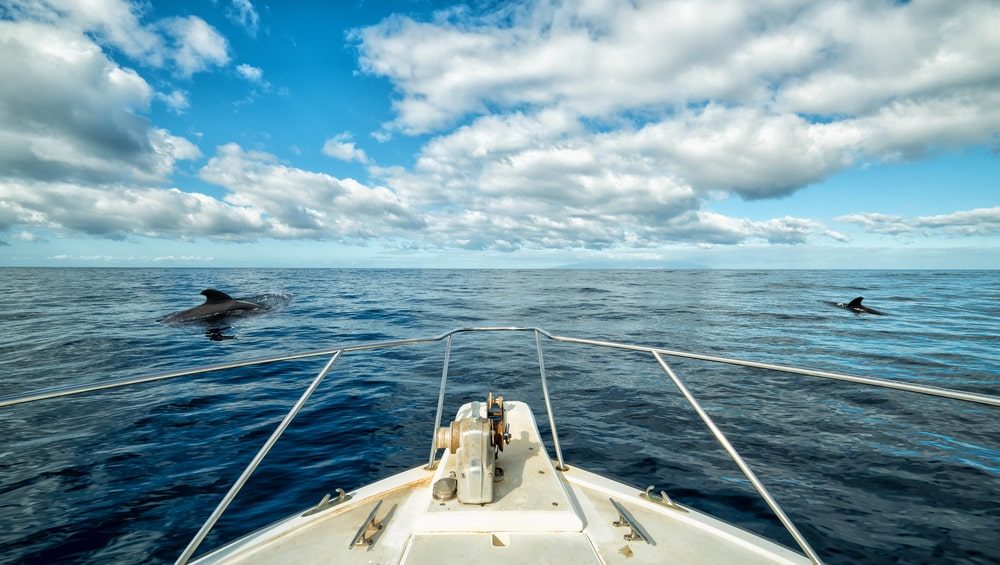
Fuerteventura sits at the edge of a deep ocean trench where cold upwelling currents meet warm surface water, creating a permanent feeding corridor for cetaceans. More than twenty species pass through these waters, but the island's resident pods of short-finned pilot whales and bottlenose dolphins make sightings predictable rather than speculative. Winter delivers the whale watching Fuerteventura best time because the trade winds soften and the ocean settles into long, glassy swells. Boats departing Corralejo or Morro Jable in November, December, January, and February encounter pilot whale pods with calves, a behavior linked to the species' breeding cycle and the abundance of squid along the continental slope. Surface visibility often exceeds fifteen meters, allowing passengers to track dorsal fins from a distance and anticipate breaches. Morning departures benefit from offshore breezes that flatten the water before midday thermals arrive. Spring and autumn occupy a middle ground—March through May and September through October bring moderate seas and steady dolphin activity, though wind gusts above fifteen knots can limit how far west captains venture. Pilot whales remain present but spread across a wider range, reducing encounter density. Summer from June through August sees the highest visitor volume and the roughest afternoon conditions, with northeasterly winds building whitecaps after noon. Excursions still run daily, but passengers prone to seasickness should book the earliest available slot and sit near the stern where pitch is less pronounced. Boats licensed for cetacean observation in Fuerteventura follow approach protocols that prohibit engines within sixty meters of whales and limit time alongside a pod to thirty minutes. Captains communicate sightings over VHF, so even on quieter days multiple vessels may converge on a single group. Winter's combination of predictable whale presence, stable weather, and lower tourist density makes it the optimal window for both encounter quality and onboard comfort.
“Cold upwelling currents meet warm surface water here, creating a permanent feeding corridor where more than twenty cetacean species pass through.”
Whale Watching Fuerteventura Best Time: Seasonal and Daily Planning
Fuerteventura offers whale watching opportunities throughout the year, though spring often brings higher species diversity during seasonal migrations. Planning your trip for the morning hours remains the most effective strategy to secure optimal sea conditions.
Spring (March–May)
Moderate crowdsMild 18-22°C; calm seas
Migratory species are more active during these months.
Summer (June–August)
Higher crowdsWarm 23-26°C; stable waters
Consistent sightings of resident pilot whales and dolphins.
Autumn (September–November)
Lower crowdsMild 21-24°C; variable winds
Good period for sightings with fewer passengers on boats.
Weekday mornings
Low crowds—
Sea conditions are generally calmer, offering better visibility and less chance of nausea.
Verdict: The best period for whale watching is during the spring months, specifically on weekday mornings for the calmest sea conditions.
Daily Operating Hours for Whale Watching Fuerteventura Best Time
Excursions operate on a consistent daily schedule to facilitate whale watching departures. The service remains open throughout the week to accommodate visitor demand.
| Monday | 09:00–18:30 | |
|---|---|---|
| Tuesday | 09:00–18:30 | |
| Wednesday | 09:00–18:30 | |
| Thursday | 09:00–18:30 | |
| Friday | 09:00–18:30 | |
| Saturday | 09:00–18:30 | |
| Sunday | 09:00–18:30 |
Arrival and Access for Whale Watching Fuerteventura Best Time
Excursions depart from Puerto de Corralejo in the north and Puerto de Morro Jable in the south. Both ports are accessible by road and well-marked for visitors arriving by private vehicle or public transport.
Follow the FV-1 motorway to Puerto de Corralejo
Follow the FV-2 motorway to Puerto de Morro Jable
Tiadhe Line 06 to Corralejo Port
Tiadhe Line 01 to Morro Jable
Pre-Departure Preparation for Whale Watching Fuerteventura Best Time
Preparation ensures a comfortable and successful whale-watching experience from Fuerteventura's departure ports.
-
Book your excursion in advance — Tours can fill quickly during peak months, especially morning departures.
-
Bring motion sickness medication if prone — Open Atlantic waters can be choppy, particularly in winter and spring.
-
Pack sun protection and polarized sunglasses — Glare off the water is intense; sunscreen and a hat are essential.
-
Wear layered clothing and waterproof jacket — Temperatures drop on the water, and sea spray is common.
-
Carry a valid photo ID — Operators may require identification for boarding verification.
-
Arrive 15-20 minutes before departure — This allows time for check-in and safety briefings at the port.
-
Keep cameras in waterproof cases or bags — Salt spray can damage electronics during the excursion.
Check availability
Frequently Asked Questions About Whale Watching Fuerteventura
Everything you need to know about whale watching fuerteventura best time