2 hr
Ocean Safari: Whale & Dolphin Watching with Snorkeling
- Entry ticket
- Mobile voucher
- Valid same day
- Free cancellation
Dolphin Tour Fuerteventura — Whale Watching & Ocean Safaris
Atlantic cetaceans in coastal waters, snorkeling and sail-powered encounters included
Compare fares, pick the fit — all bookings are mobile-voucher and eligible for free cancellation where shown.
2 hr
2 hr
3 hr 30 min
Selecting the right dolphin tour fuerteventura involves choosing between specialized speedboat expeditions or relaxed catamaran excursions. These marine wildlife excursions are accessible from the main harbors of the island.
|
Top pick Speedboat Tour Adrenaline & Speed |
Catamaran Cruise Comfort & Leisure | |
|---|---|---|
| Focus | Agile wildlife spotting | Relaxed coastal cruising |
| Group Size | Small group | Medium to large group |
| Duration | 2 hours | 3-4 hours |
| Inclusions | Guide & snorkeling gear | Lunch & drinks included |
| Best for | Adventure seekers | Families and groups |
| See tickets & prices |
Verdict: For the best experience, choose the speedboat option if you prefer an active wildlife search, or the catamaran dolphin tour fuerteventura tickets if you value onboard amenities.
Worth it for wildlife enthusiasts and families
A dolphin tour fuerteventura delivers genuine value when expectations align with ocean realities. Tours departing from Morro Jable and Corralejo typically run two to three hours, combining marine mammal observation with snorkeling stops and sometimes island visits. Experienced crews know the feeding grounds where pilot whales, bottlenose dolphins, and Atlantic spotted dolphins congregate, though sightings are never guaranteed—these are wild animals, not performers. Most operators carry hydrophones to track cetacean vocalizations and maintain respectful distances that comply with conservation protocols. The combination packages—whale watching paired with Isla de Lobos or sailing adventures—offer better value than standalone cruises, spreading the cost across multiple experiences. Families benefit from the educational component: naturalist guides explain migration patterns, social behavior, and the marine ecosystem of the Canary Current. Solo travelers and photographers find the small-group catamarans preferable to larger vessels. If your threshold for satisfaction requires a guaranteed close encounter, reconsider; if you value ethical wildlife observation in one of Europe's richest cetacean habitats, dolphin tour fuerteventura tours deliver.
Bottom line: Book a combination package for the best balance of wildlife observation, snorkeling, and value—just remember the ocean sets the agenda, not the itinerary.
They complement each other; travelers seeking focused marine mammal observation prefer the specialized dolphin tour fuerteventura, while those prioritizing onboard relaxation favor sailing excursions. This selection of dolphin tour fuerteventura tours provides dedicated research-focused outings, whereas catamaran sailing adventures offer a broader leisure experience.
|
Top pick Dolphin Tour |
Catamaran Sailing | |
|---|---|---|
| Primary goal | Wildlife observation | Leisure and relaxation |
| Wildlife encounter probability | High | Moderate |
| Time spent at sea | 2–4 hours | 3–5 hours |
| Onboard amenities | Basic research equipment | Sunbeds and bar service |
| Social atmosphere | Educational and quiet | Upbeat and communal |
| See tickets & prices |
Verdict: Choose the specialized dolphin tour fuerteventura tour if your priority is spotting cetaceans, or book a catamaran sailing adventure if you prefer a social day on the water with dolphin tour fuerteventura tickets often including lunch or drinks.
Hand-picked experiences loved by thousands of travelers
5 hours
Free Cancellation
Sail from Corralejo to spot whales and dolphins, then swim and feast on paella at a pristine beach.
2 hours 30 minutes
Free Cancellation
Set sail to observe dolphins, whales, and marine life, then snorkel in a sheltered cove off Fuerteventura's coast.
4 hours 30 minutes
Free Cancellation
Half-day sailing adventure with dolphin spotting, swimming stops, and snorkeling among rays
5 hours
Free Cancellation
Five-hour marine wildlife cruise between Fuerteventura and Lanzarote with paella, drinks, and optional water sports.
2 hours 30 minutes
Free Cancellation
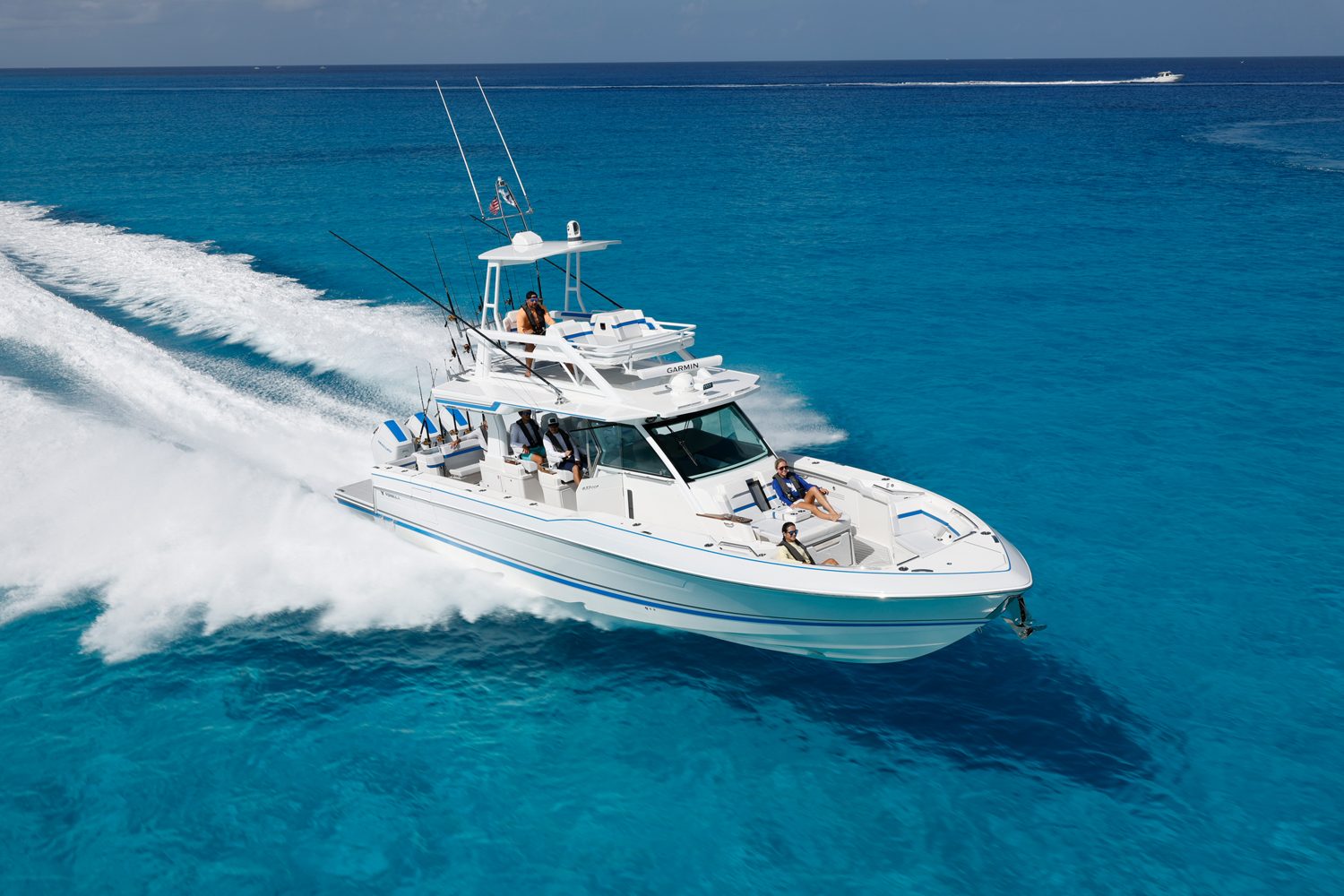
Speed across turquoise Atlantic waters in search of wild dolphins on this thrilling coastal voyage.
1 hour 30 minutes
Free Cancellation
Thrilling 90-minute speedboat adventure along Fuerteventura's coast in search of dolphins, whales, and marine wildlife
5 hours 30 minutes
Free Cancellation
Speed across turquoise waters searching for dolphins, then explore volcanic trails and beaches on pristine Lobos
3 hours
Free Cancellation
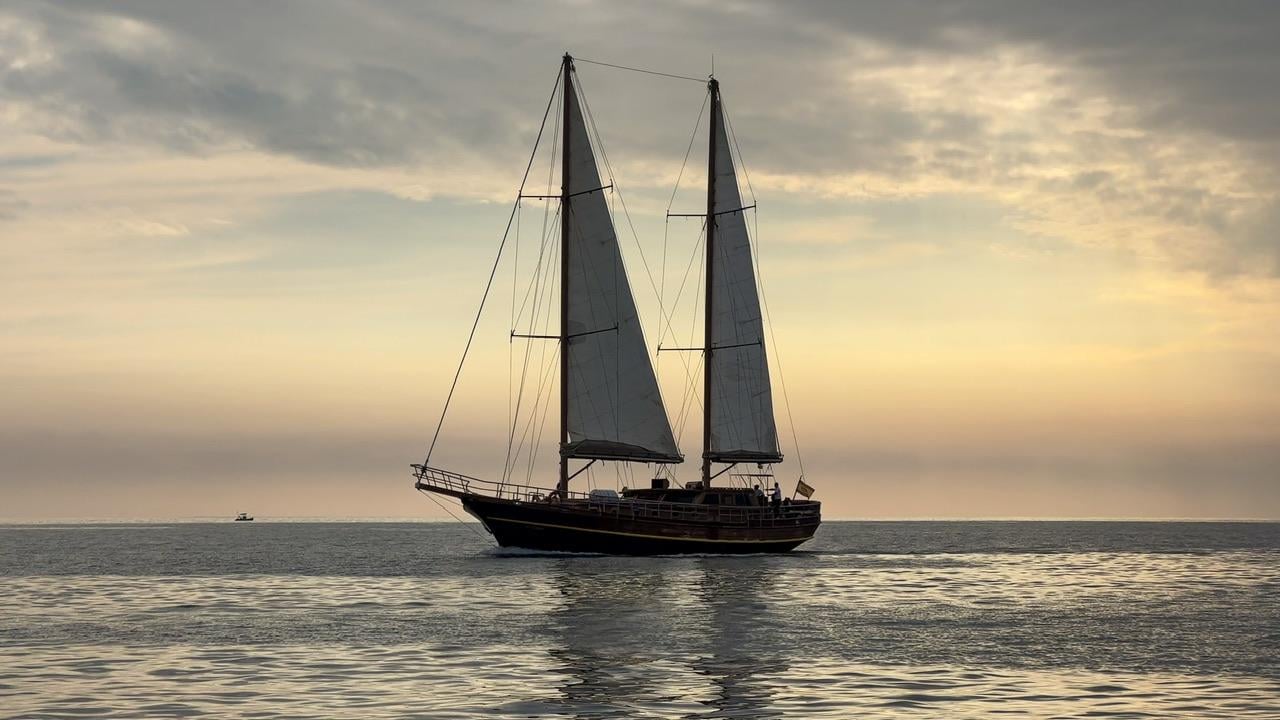
Three-hour evening voyage aboard a Turkish gulet with curated music, unlimited bar, and Asian-fusion tasting menu
Arrive at the port by 09:00–11:00 for check-in.
Crew provides vessel safety and wildlife protocols.
Navigation to prime spotting grounds.
Active search for dolphins and cetaceans.
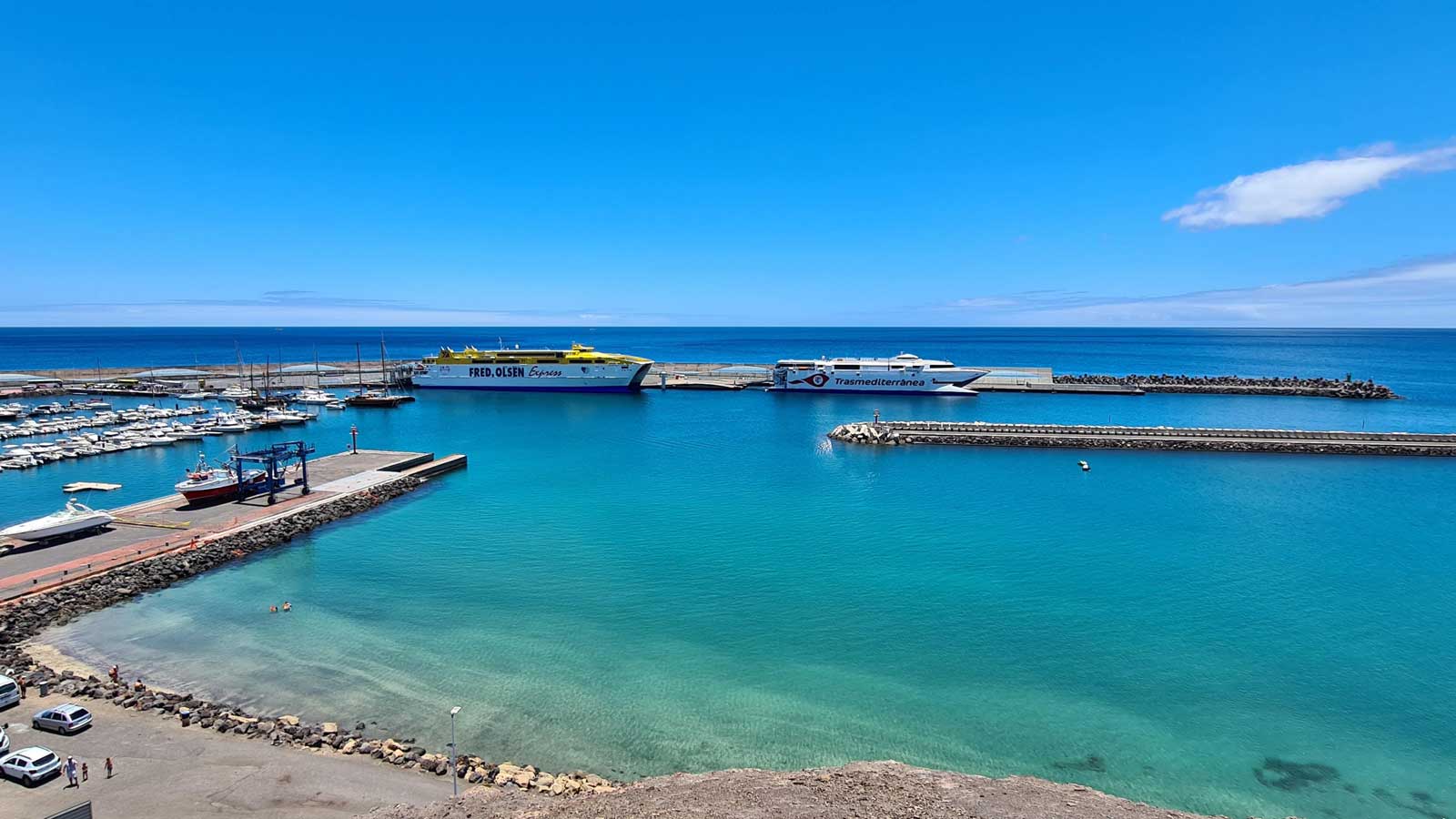
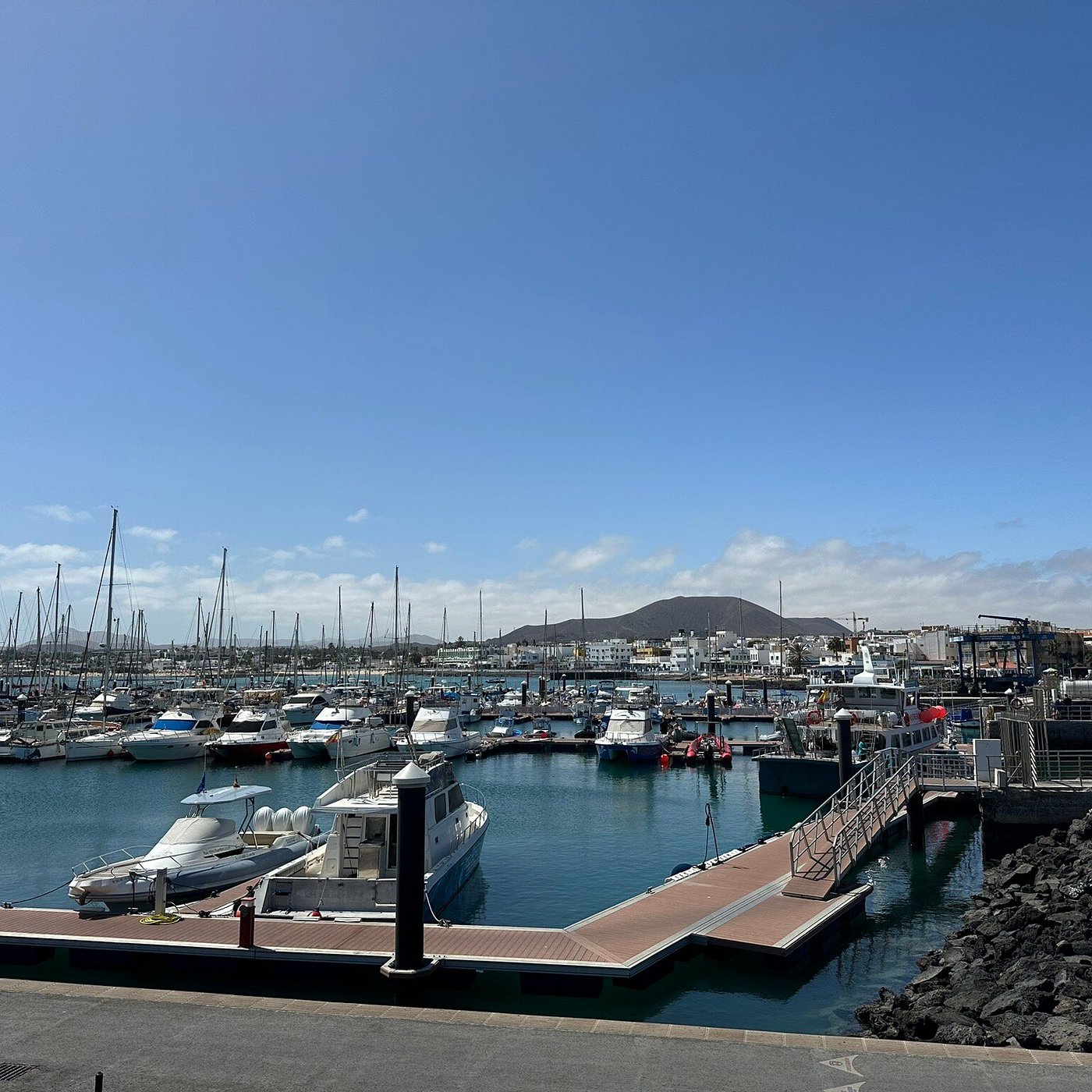
The southern hub serves as a departure point for many boat excursions
Morro Jable Harbor
The northern gateway offers easy access to the clear waters of the Atlantic
Corralejo Pier
The deep waters surrounding the island are a sanctuary for diverse cetacean species
Atlantic marine environment
Impressive geological formations often visible during a boat excursion
Fuerteventura coastal cliffs
The protected islet provides a scenic backdrop for marine sightings
Lobos Island
You board at Puerto de Morro Jable or Puerto de Corralejo as crew stow snorkeling gear and brief passengers on approach protocols. The catamaran clears the harbor breakwater and cuts southwest along the Jandía coast, the engine throttling back once open water is reached.
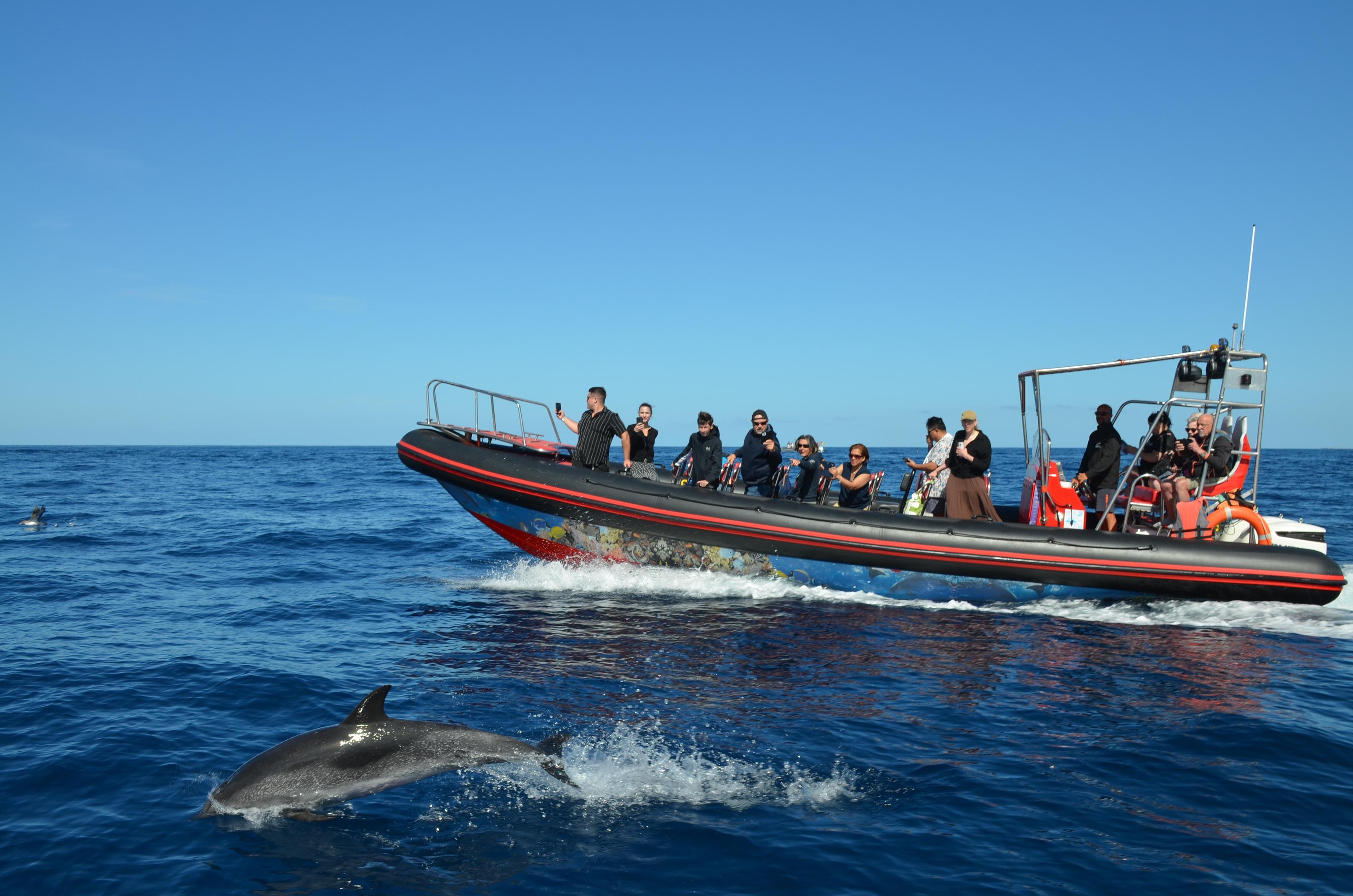
Fifteen minutes out, the spotter gestures toward a dorsal fin slicing the surface 200 meters to starboard. The vessel drifts into position, sails catching wind as the engine goes silent.
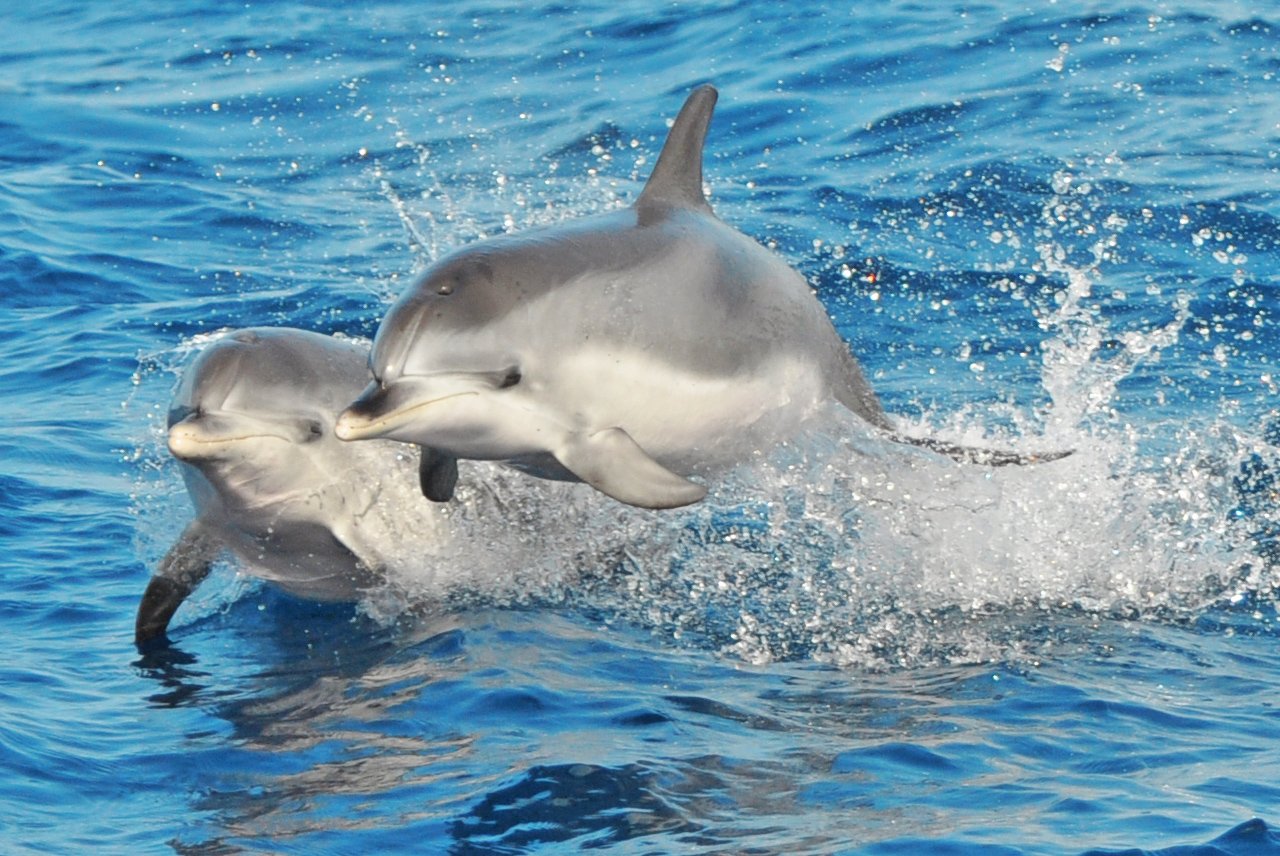
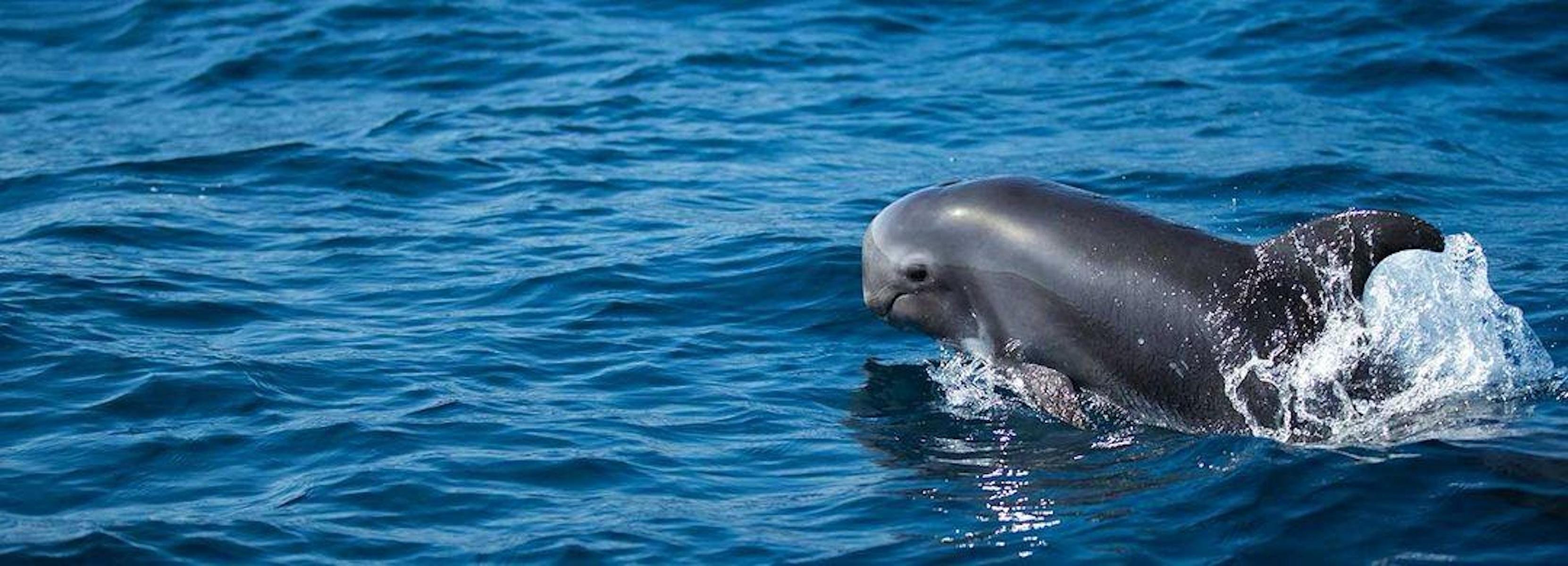
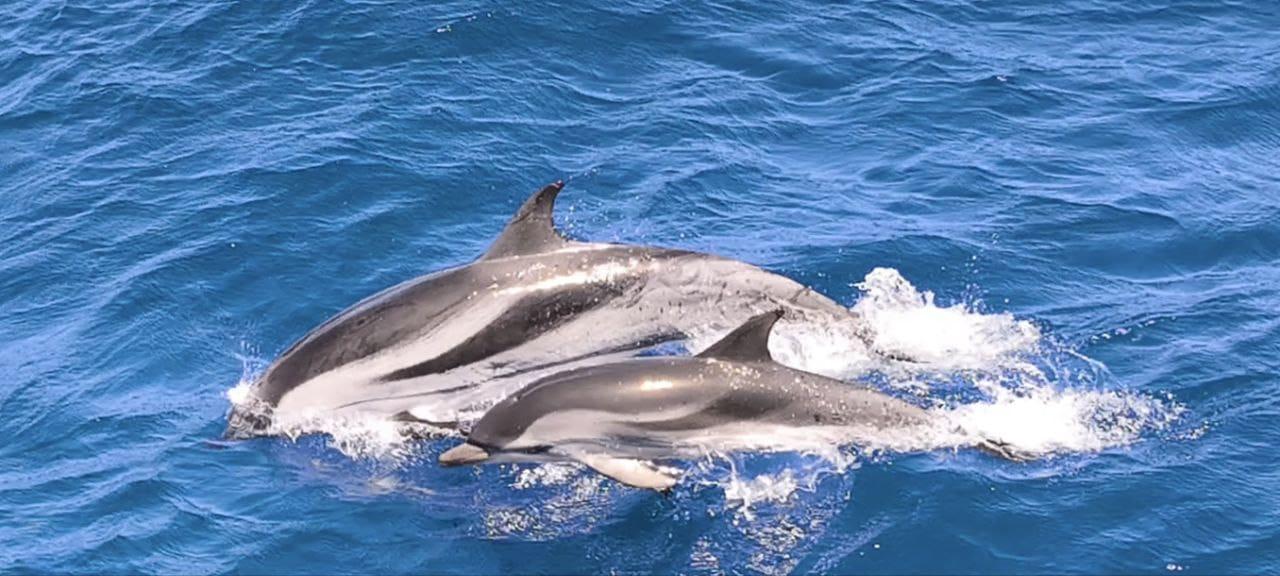
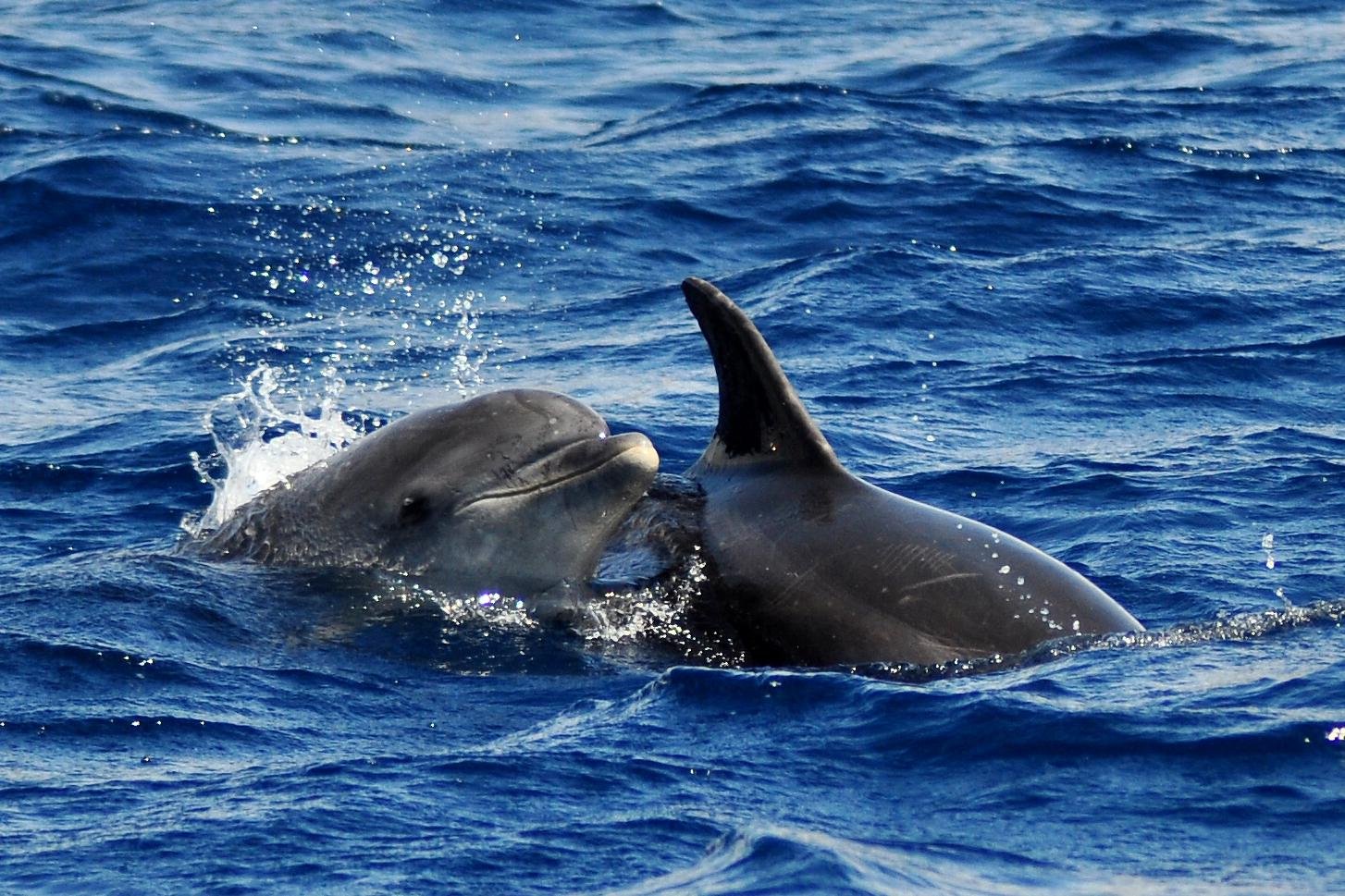
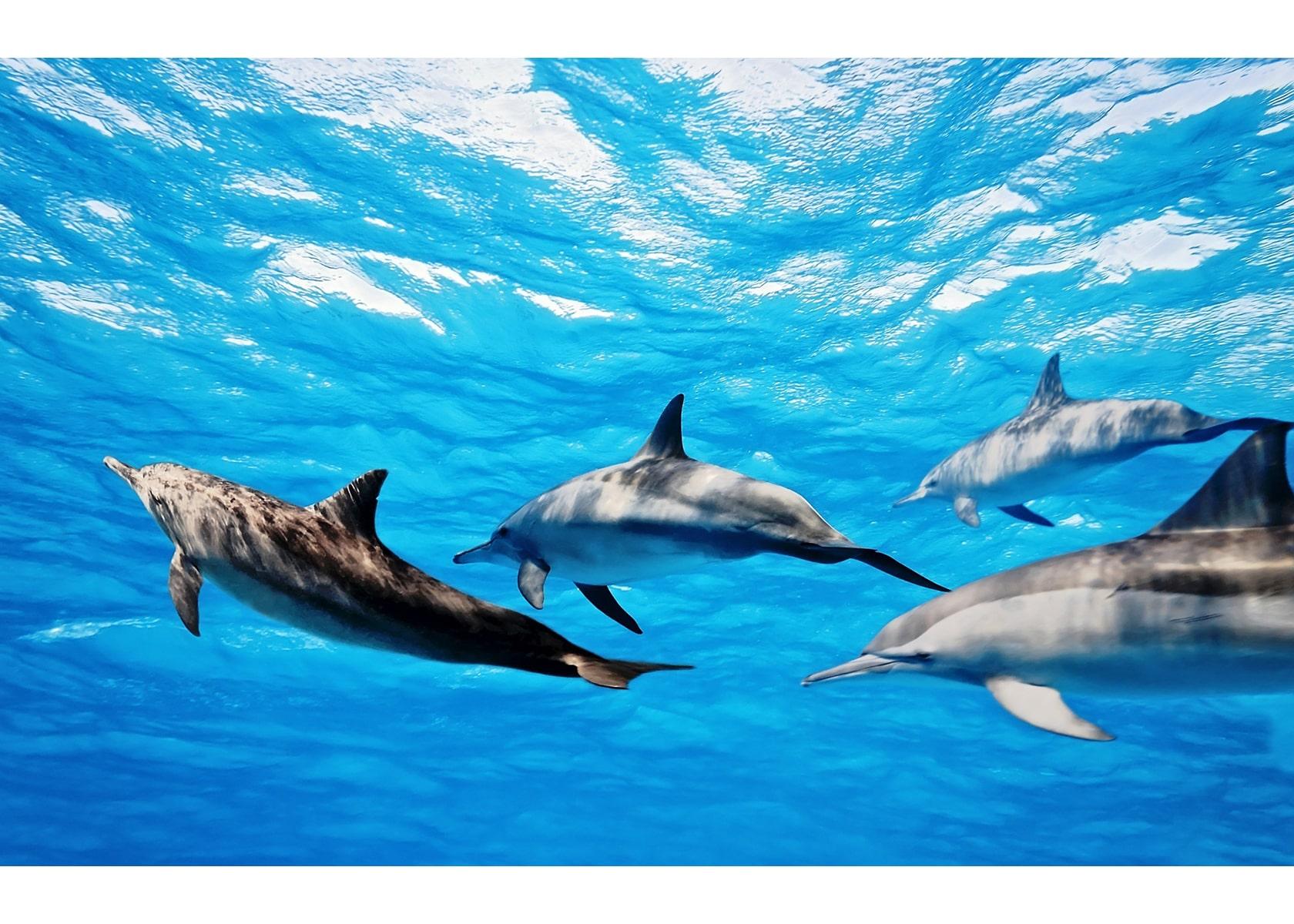
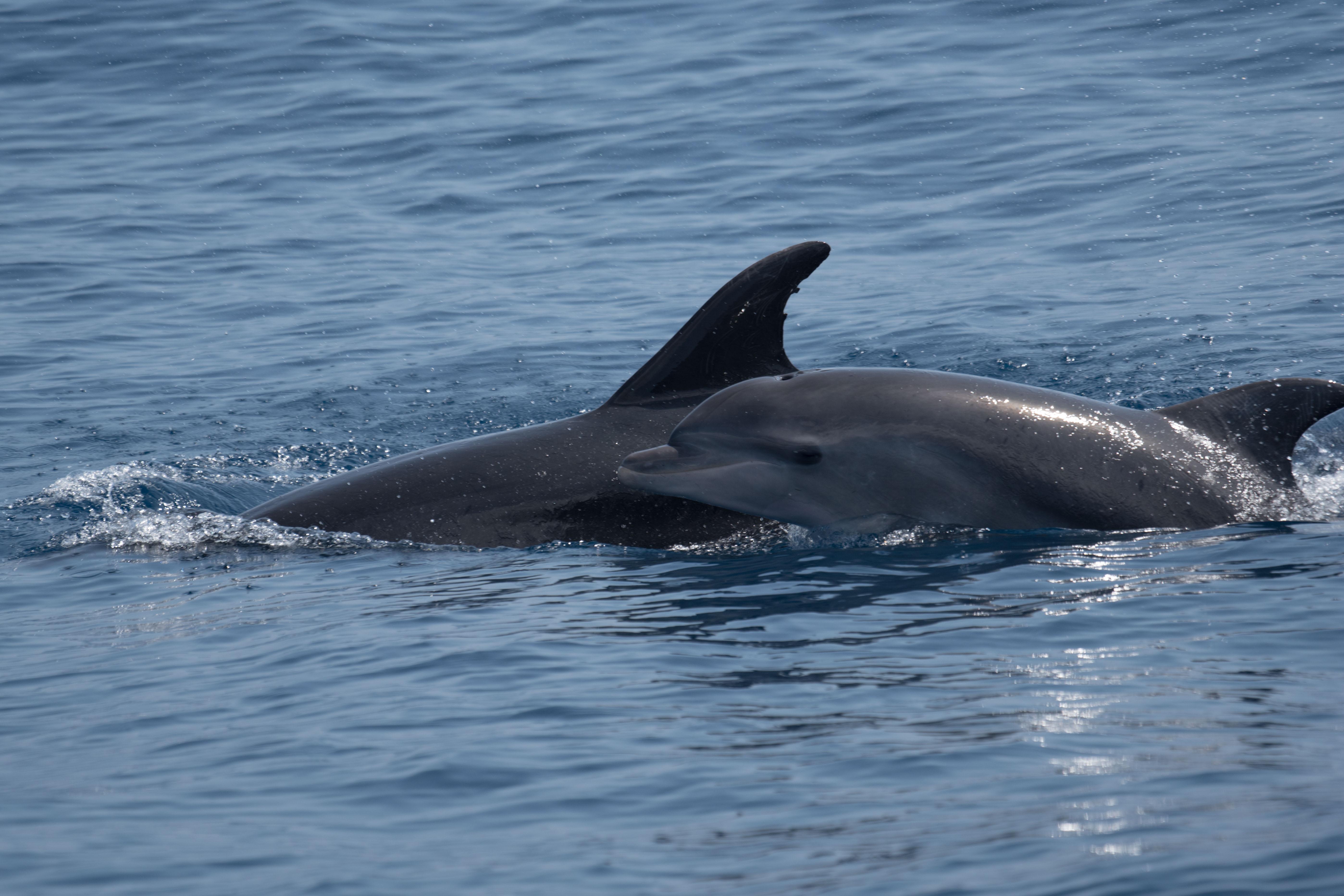
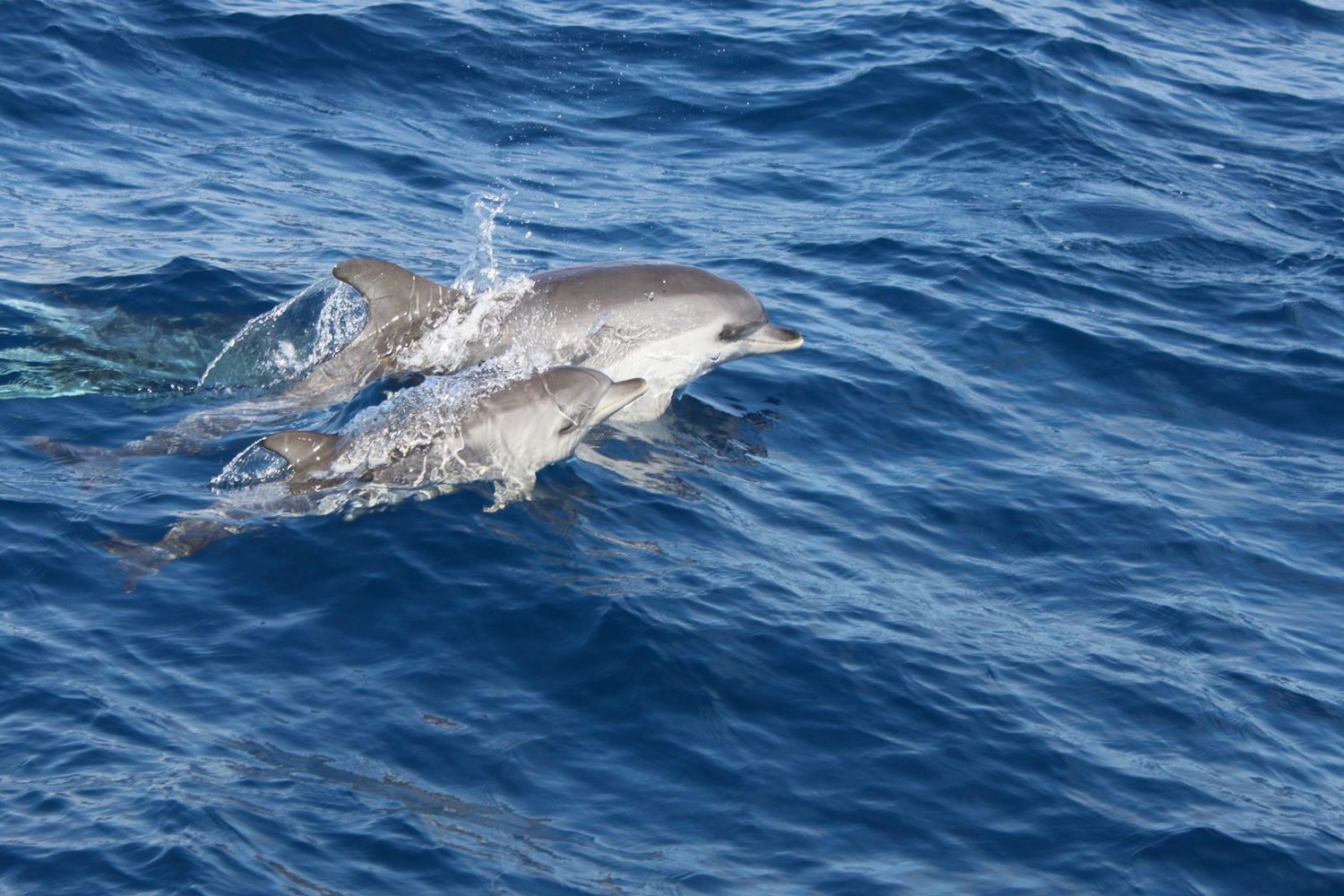
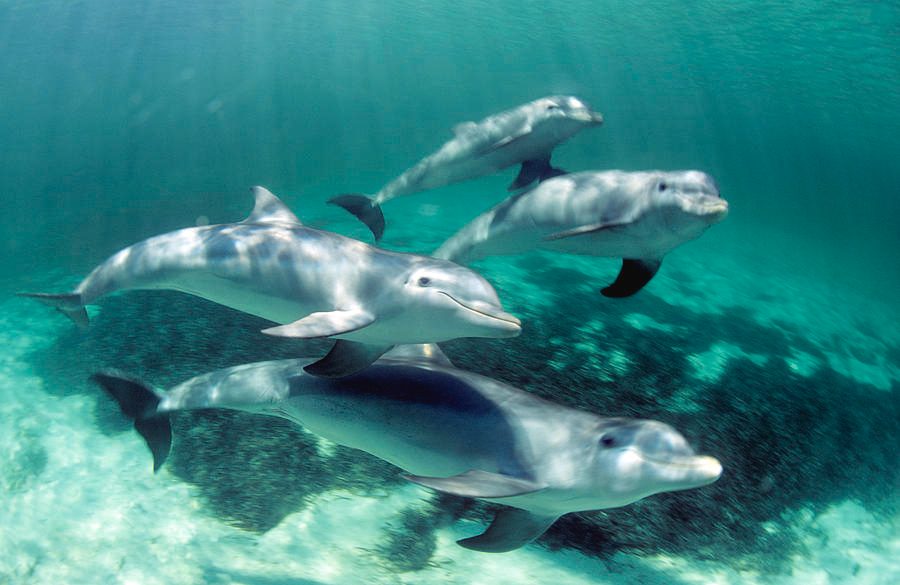
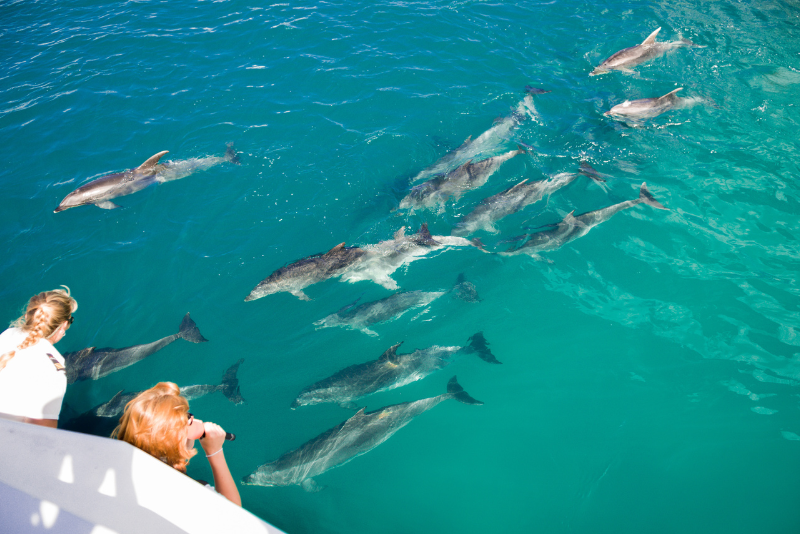
A pod of seven bottlenose dolphins surfaces in sequence, their exhalations audible across the water. Calves flank adult females, mirroring their trajectory as the group glides beneath the hull and emerges on the port side. You track their movement through polarized lenses, noting the scarring on one individual's dorsal fin and the synchronized surfacing rhythm that marks cooperative hunting behavior. The boat holds station for twelve minutes before the pod accelerates seaward.
The crew motors to a sheltered cove where volcanic rock forms a natural reef. You descend into 28-degree water, visibility stretching to the seabed six meters below. Damselfish dart between basalt columns, and a school of salema porgy hovers in the thermocline. Thirty minutes pass before the return crossing begins, the coastline sharpening as the harbor entrance reappears.
All the details about your upcoming adventure in one place
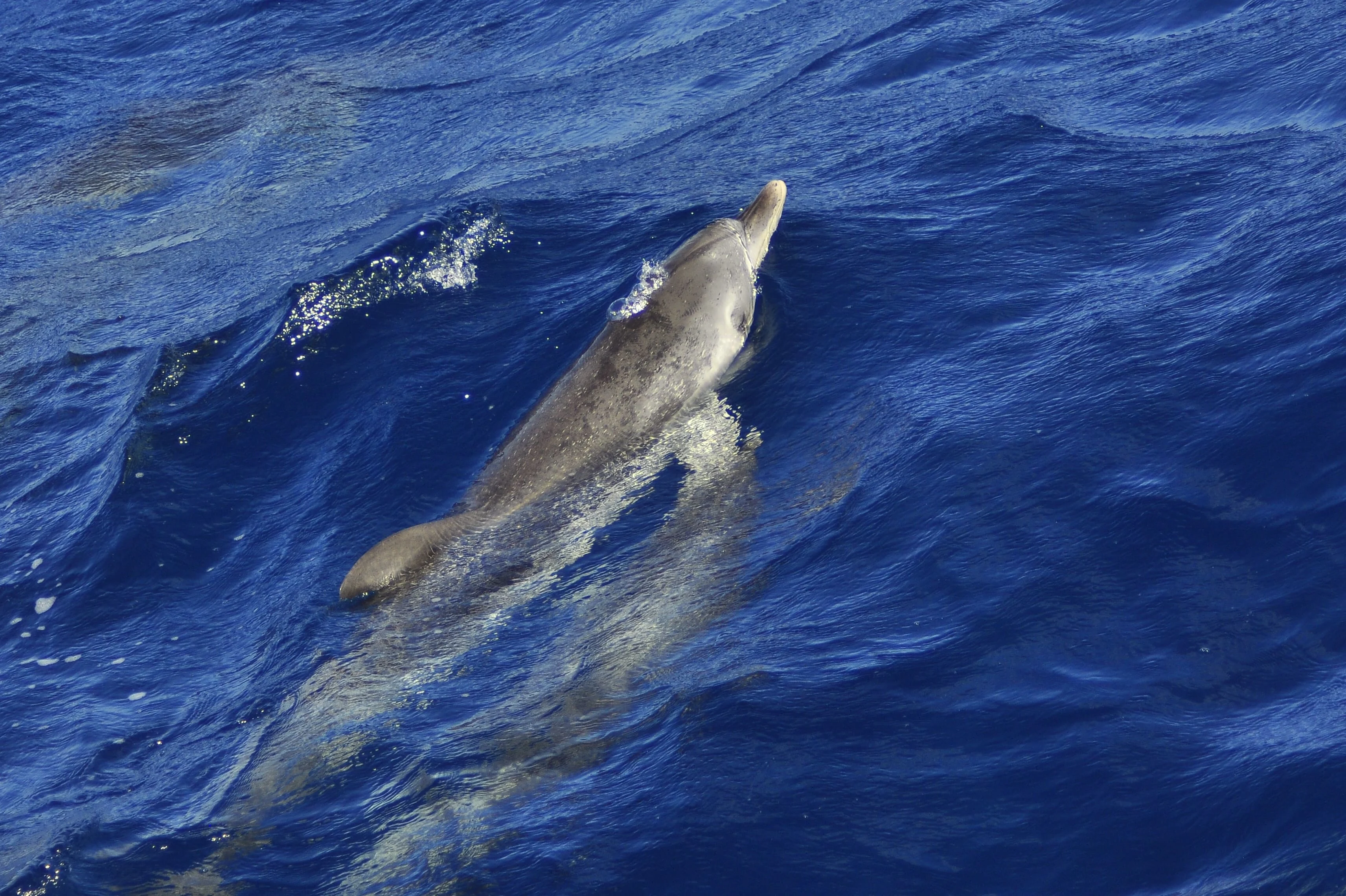
Fuerteventura's southern and northern coasts host resident populations of bottlenose dolphins and short-finned pilot whales year-round, a consequence of deep Atlantic channels that run close to shore and nutrient-rich upwellings that concentrate prey fish within three nautical miles of land.
The island's cetacean sightings database, maintained by the Canary Islands Cetacean Observatory since 2003, records over 24 species in surrounding waters, with common dolphins, Bryde's whales, and rough-toothed dolphins appearing seasonally between March and October.
Morro Jable and Corralejo serve as primary departure points for dolphin tour Fuerteventura excursions, their harbors positioned at opposite ends of the island to access different marine habitats. Southern routes from Morro Jable track the Jandía Peninsula's western shore, where coastal bathymetry drops to 200 meters within two kilometers and pilot whale pods congregate near underwater escarpments. Northern departures from Corralejo navigate the Bocayna Strait toward Isla de Lobos, a volcanic islet whose shallow reefs and seagrass beds attract bottlenose dolphin family groups hunting mullet and bream in water rarely deeper than 30 meters.
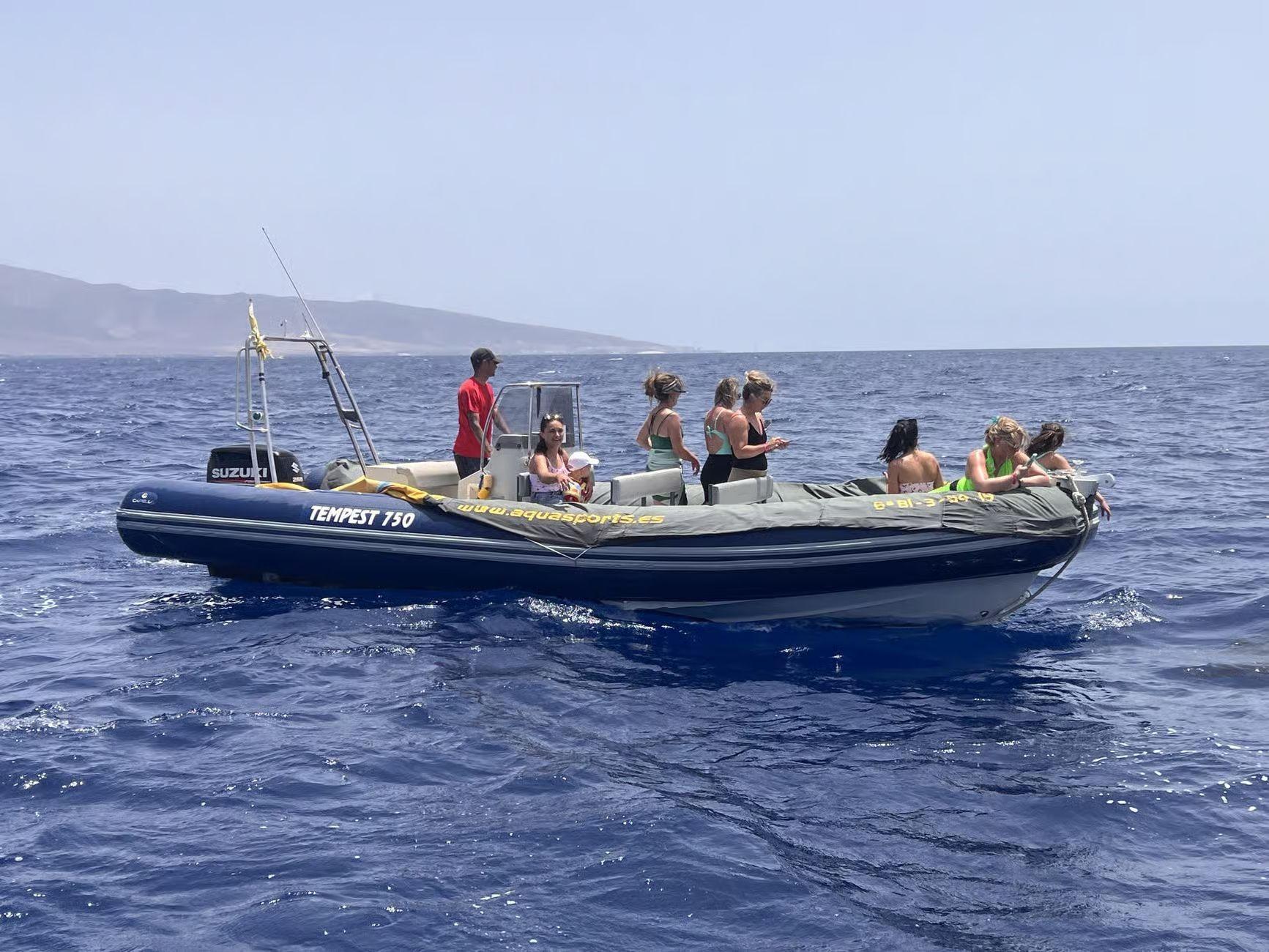
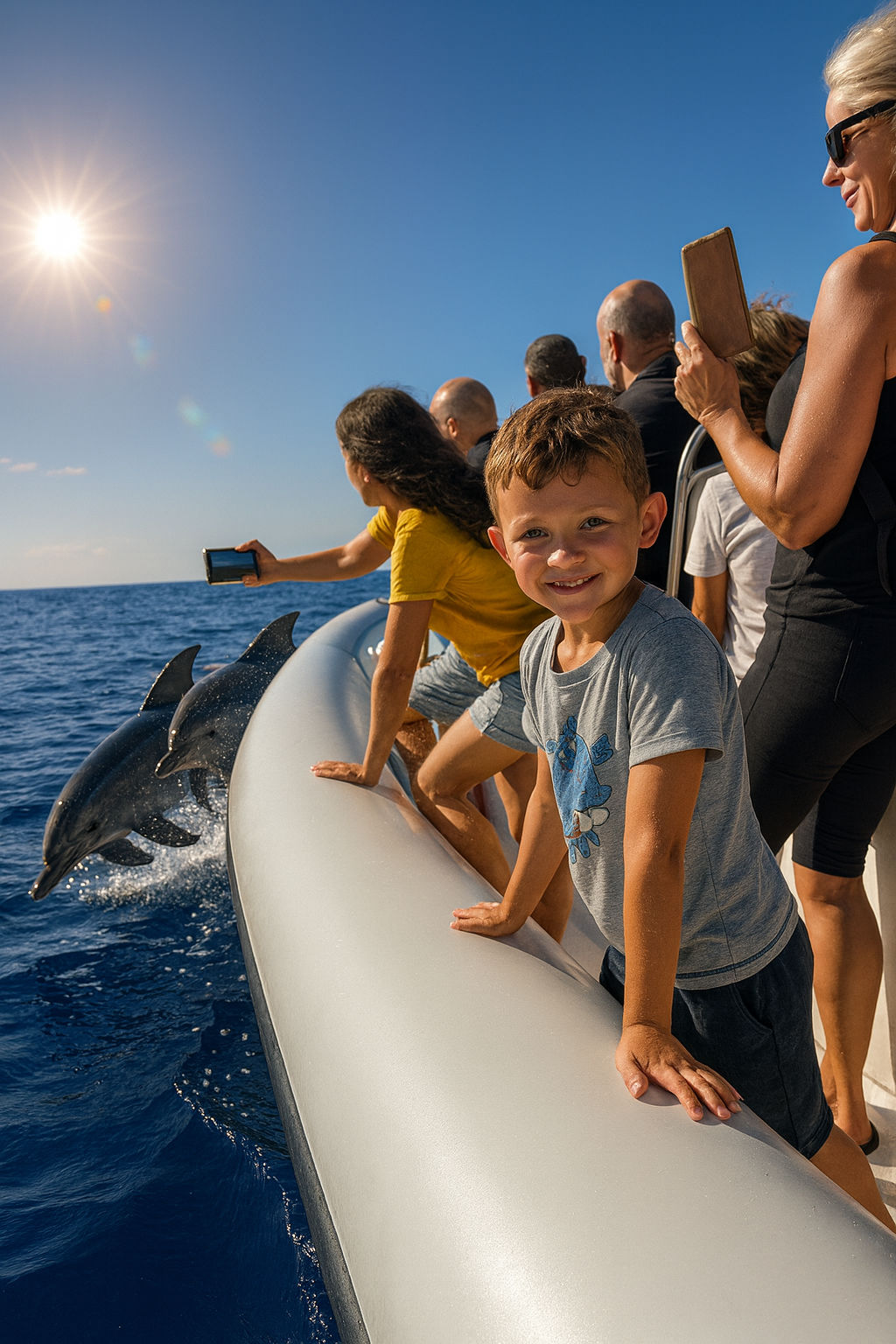
Operators employ sail-powered catamarans and rigid-hulled inflatables to minimize acoustic disturbance, adhering to voluntary approach guidelines established by the Tenerife Conservation Society in 2018 that mandate 60-meter minimum distances and prohibit direct pursuit. Most half-day itineraries incorporate snorkeling stops at protected bays where volcanic substrate and sparse boat traffic preserve coral formations and allow visibility exceeding 20 meters on calm days. Marine biologists accompany select tours, providing real-time identification of dorsal fin shapes, blow patterns, and surface behavior to distinguish between resident and migratory pods.
The Canary Islands hold Blue Boat certification status from the World Cetacean Alliance, a designation awarded to operators demonstrating low-impact observation practices and contributing sighting data to regional research programs. Fuerteventura's cetacean tourism framework balances commercial access with conservation priorities, routing vessels away from known calving areas during spring months and restricting engine use in designated quiet zones. Morning departures between 09:00 and 11:00 benefit from glassy sea conditions and increased surface activity as dolphins engage in social behavior and cooperative feeding before midday thermal currents develop.
Fuerteventura's cetacean sightings database records over 24 species in surrounding waters, with resident bottlenose dolphins appearing year-round.
Wear comfortable, layered clothing suitable for sea breezes and sun exposure. Non-slip footwear is recommended for walking on deck during a dolphin tour Fuerteventura.
Only small, waterproof bags are permitted on board. Large luggage is generally prohibited due to limited storage space on the excursion vessels.
Photography is encouraged during your dolphin tour Fuerteventura, but ensure your gear is protected from saltwater spray. Using a strap for your camera or phone is advised while at sea.
Children are welcome on board, though life jackets must be worn by all passengers. Ensure younger children are supervised by an adult at all times during the whale watching tour.
Vessels vary in their ability to accommodate wheelchairs. Please verify accessibility options directly with the operator before purchasing your dolphin tour Fuerteventura tickets.
Most operators allow light snacks and water on board. Bringing your own alcohol is strictly forbidden on these marine wildlife excursions.
Opening Hours
09:00–18:00
Address
Puerto de Morro Jable or Puerto de Corralejo, Fuerteventura, Spain
Accessibility
Varies by vessel; please contact operator regarding wheelchair access.
Arrival Recommendation
09:00–11:00
Storage
Limited space on boats; keep bags small.
Navigation
Confirm your specific port departure point upon booking.
Car · Varies · Low cost
Follow signs to the port area in either Morro Jable or Corralejo; public parking is available nearby.
Public transport · Varies · Low cost
Local bus lines (Tiadhe) connect major island towns to the ports.
Full refunds are typically available for cancellations made at least 24-48 hours before departure. The tour operator charges varying prices for excursions, as the entrance fee is 0 EUR.
Recommended time
3-4 hours
A dolphin tour fuerteventura typically lasts three to four hours to allow sufficient travel time into open waters for cetacean observation. Booking a dolphin tour fuerteventura tour during the early morning is advised, as these excursions often benefit from calmer sea conditions and better light for wildlife spotting compared to afternoon voyages. Because the activity relies on boat capacity rather than fixed queues, securing your dolphin tour fuerteventura tickets in advance helps guarantee availability during peak morning departure windows.
Crowd levels through the day
Weather · crowds · average price — dots go green to amber to red as each metric rises.
Mild temperatures and frequent marine activity make this an ideal time for a dolphin tour Fuerteventura.
Warm waters attract diverse species, though afternoon winds may occasionally increase.
The current season offers pleasant weather, perfect for a dolphin tour Fuerteventura tour in September.
Stable conditions persist, offering opportunities to spot migratory whales during a dolphin tour Fuerteventura.
Drink plenty of water to prevent dehydration from the sun and salt air during your trip.
Take preventative medication at least one hour before boarding if you are sensitive to motion.
Scan the horizon for blowholes or dorsal fins rather than just looking directly down into the water.
Bringing a pair of compact binoculars can significantly enhance your wildlife viewing experience.
Even on cloudy days, UV exposure is high on the water; apply sunscreen liberally before leaving the port.
Calle del Pozo, Morro Jable
Check in at the designated dock office.
Get directionsCommercial dolphin tour fuerteventura operations began in the mid-1990s when local fishermen along the western coast recognised the potential of the island's resident cetacean populations. Short-finned pilot whales, bottlenose dolphins, and Atlantic spotted dolphins had long inhabited the waters between Fuerteventura and the African shelf, but it was not until 1994 that the first purpose-built excursion vessels departed from Morro Jable. Early operators faced resistance from traditional fishing cooperatives who viewed the tours as interference, yet within three years the industry had established voluntary approach distances and seasonal migration awareness. The European Union's Habitats Directive, transposed into Spanish law in 1997, classified the Canary Islands as a special area of conservation for marine mammals. Fuerteventura's waters became part of the Teno-Rasca marine reserve network, though enforcement remained inconsistent until 2004 when the regional government mandated commercial whale-watching licences. Operators departing from Corralejo and Morro Jable were required to maintain 60-metre minimum distances and limit engine noise during sightings. The regulations sparked a brief legal challenge from unlicensed charter boats, but the Canarian High Court upheld the framework in 2006. Between 2010 and 2015, marine biologists from the University of La Laguna documented a 22 per cent decline in pilot whale sightings off the southwestern peninsula, attributed to increased shipping traffic and rising sea temperatures. The data prompted stricter adherence to approach protocols and seasonal route adjustments. Today's dolphin tour fuerteventura tickets include mandatory briefings on non-disturbance practices, and real-time sighting networks allow captains to avoid overcrowding vulnerable pods. The Atlantic spotted dolphin remains the most reliably observed species, with year-round resident groups frequenting the channels between Lobos Island and the northern harbours.
First commercial dolphin excursions depart from Morro Jable, led by converted fishing vessels.
Spain enacts EU Habitats Directive, designating Canary waters as cetacean conservation zones.
Fuerteventura mandates commercial whale-watching licences and enforces 60-metre approach distances.
Canarian High Court upholds marine mammal protection regulations after charter-boat legal challenge.
University of La Laguna records 22% decline in pilot whale sightings off southwestern coast.
Real-time sighting networks and mandatory non-disturbance briefings standard across licensed operators.
Stand at the edge of the harbor wall for clear views of the departing vessel and the expansive Atlantic Ocean horizon. This vantage point provides a steady platform for capturing the boat as it begins a dolphin tour fuerteventura.
Position yourself at the rear of the boat to capture the wake and any marine life following the vessel. This spot is preferred for action shots of cetaceans breaching the surface during your whale watching tours.
This coastal path offers a wide-angle perspective of the harbor activity and incoming boats. Photographers often gather here to document the scale of various dolphin tour fuerteventura tour vessels against the backdrop of Lobos Island.
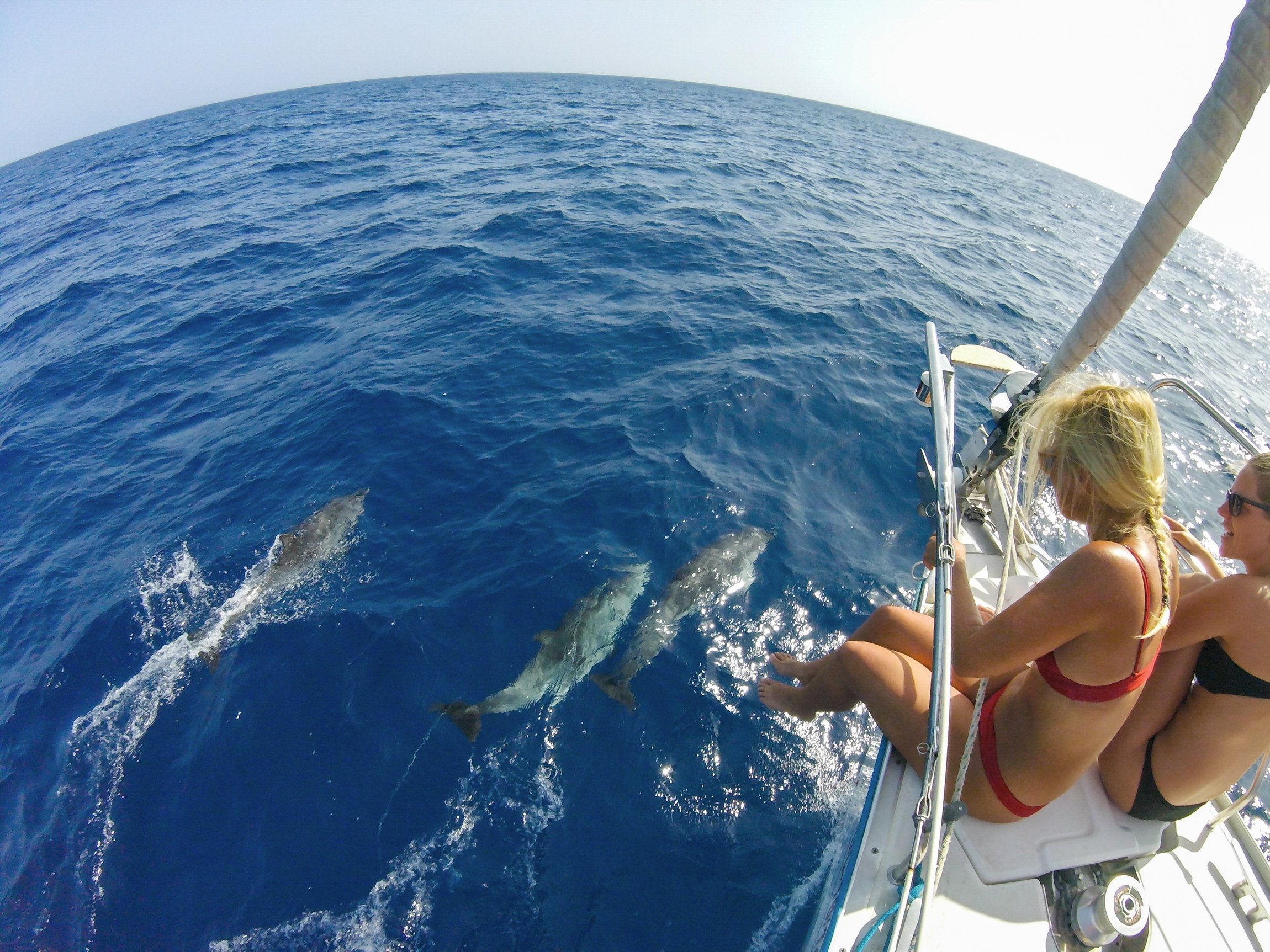
For those with stable footing, the front of the boat provides a clear field of view toward the bow waves where dolphins frequently play. Securing your dolphin tour fuerteventura tickets early allows you to claim this prime location for tracking wildlife.
Exploring the ocean on a dolphin tour fuerteventura is a highlight for many families visiting the island. Being well-prepared for the boat environment ensures a smoother experience for both children and parents.
Consult with your pediatrician about age-appropriate motion sickness remedies before boarding your dolphin tour fuerteventura tour. Choosing larger, more stable vessels can help minimize the movement that often causes discomfort for younger passengers.;Life jackets
Finding a meal near your dolphin tour fuerteventura is convenient, as both the ports of Morro Jable and Corralejo feature harbor-side dining. These spots offer fresh seafood and refreshments, perfect for relaxing after your marine wildlife excursion.
Located right at the Morro Jable harbor, this spot specializes in fresh catch landed by local boats. It is ideal for lunch after dolphin tour fuerteventura tours.
Everything you need to know for your journey
The attraction is open daily from 09:00–18:00.
Yes, you can secure your dolphin tour Fuerteventura tickets through verified local tour operators.
Yes, these boat trips are family-friendly, provided children are supervised and wear life jackets.
Bring sun protection, a hat, and a camera, keeping your items in a small bag for your dolphin tour Fuerteventura.
The meeting points are at Puerto de Morro Jable or Puerto de Corralejo, accessible by bus or car.
Most vessels used for a dolphin tour Fuerteventura are equipped with basic restroom facilities.
Yes, photography is welcome; just ensure your equipment is protected from spray during the dolphin tour Fuerteventura.
Cancellations made 24-48 hours in advance are typically refunded, though policies vary by operator for your dolphin tour Fuerteventura tour.
Wildlife spotting is excellent year-round, with the best calm sea conditions during the recommended arrival window of 09:00–11:00.
A sandy beach located near the Morro Jable port area.
A protected islet visible from the northern coast.
Expansive sand dunes offering unique coastal scenery.
A prominent maritime structure on the southern coast.
High-end resort near the harbor area.
Centrally located hotel with easy port access.
Informal lodging for active travelers.
Join thousands of happy travelers who have discovered this incredible experience
Book Your Experience Now