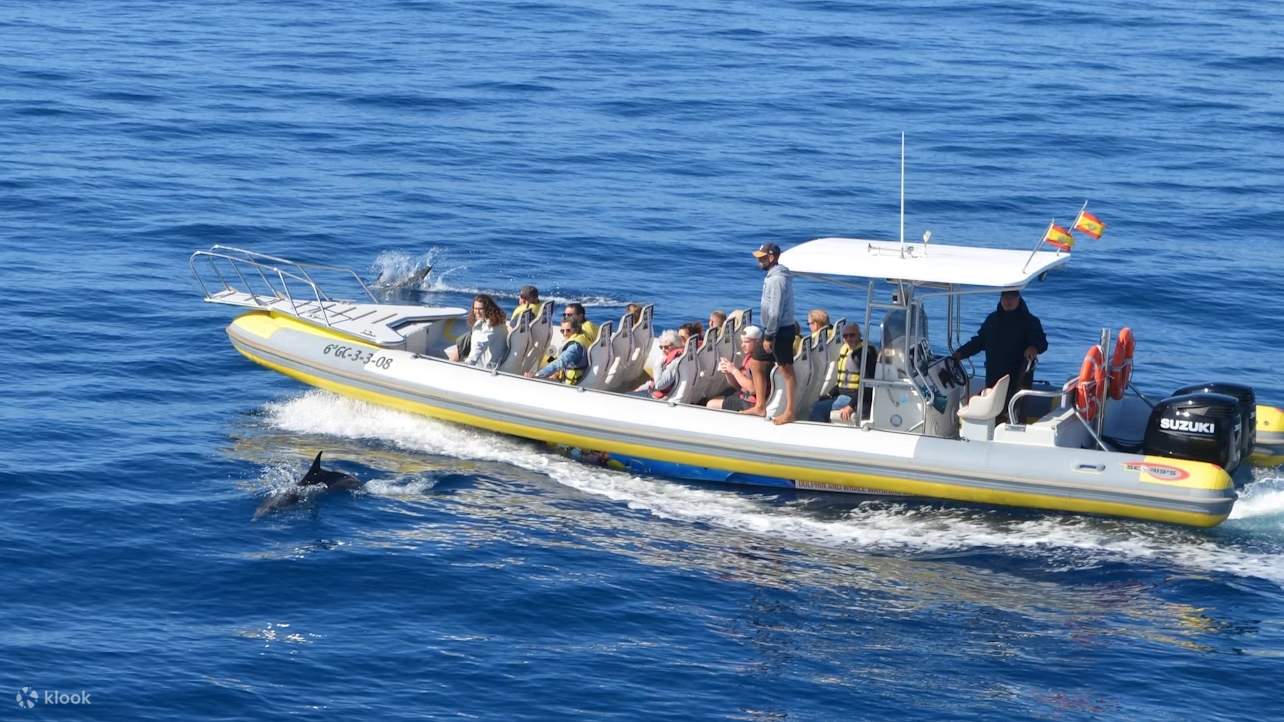
2 hr
Dolphin & Whale Watching Boat Trip from Morro Jable
- Entry ticket
- Mobile voucher
- Valid same day
- Free cancellation
Dolphin Watching Fuerteventura Morro Jable — Marine Expeditions
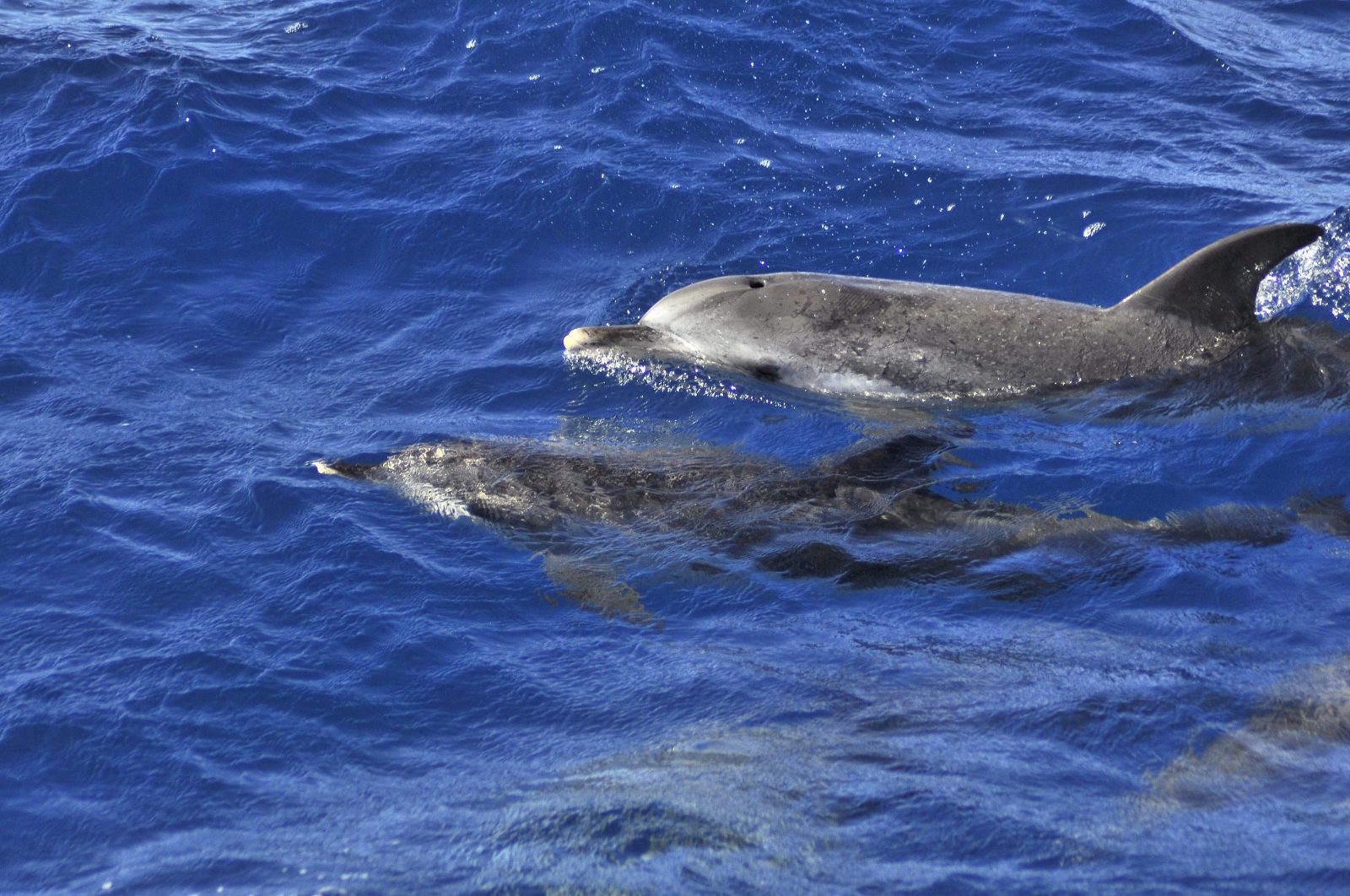
Atlantic waters off Morro Jable, where pilot whales surface year-round
Compare fares, pick the fit — all bookings are mobile-voucher and eligible for free cancellation where shown.
2 hr
2 hr
2 hr 30 min
Selecting the right vessel for your dolphin watching fuerteventura morro jable experience depends on whether you prefer a high-speed search or a relaxed maritime excursion. These marine wildlife tours offer various ways to observe cetaceans in their natural habitat off the coast of Morro Jable.
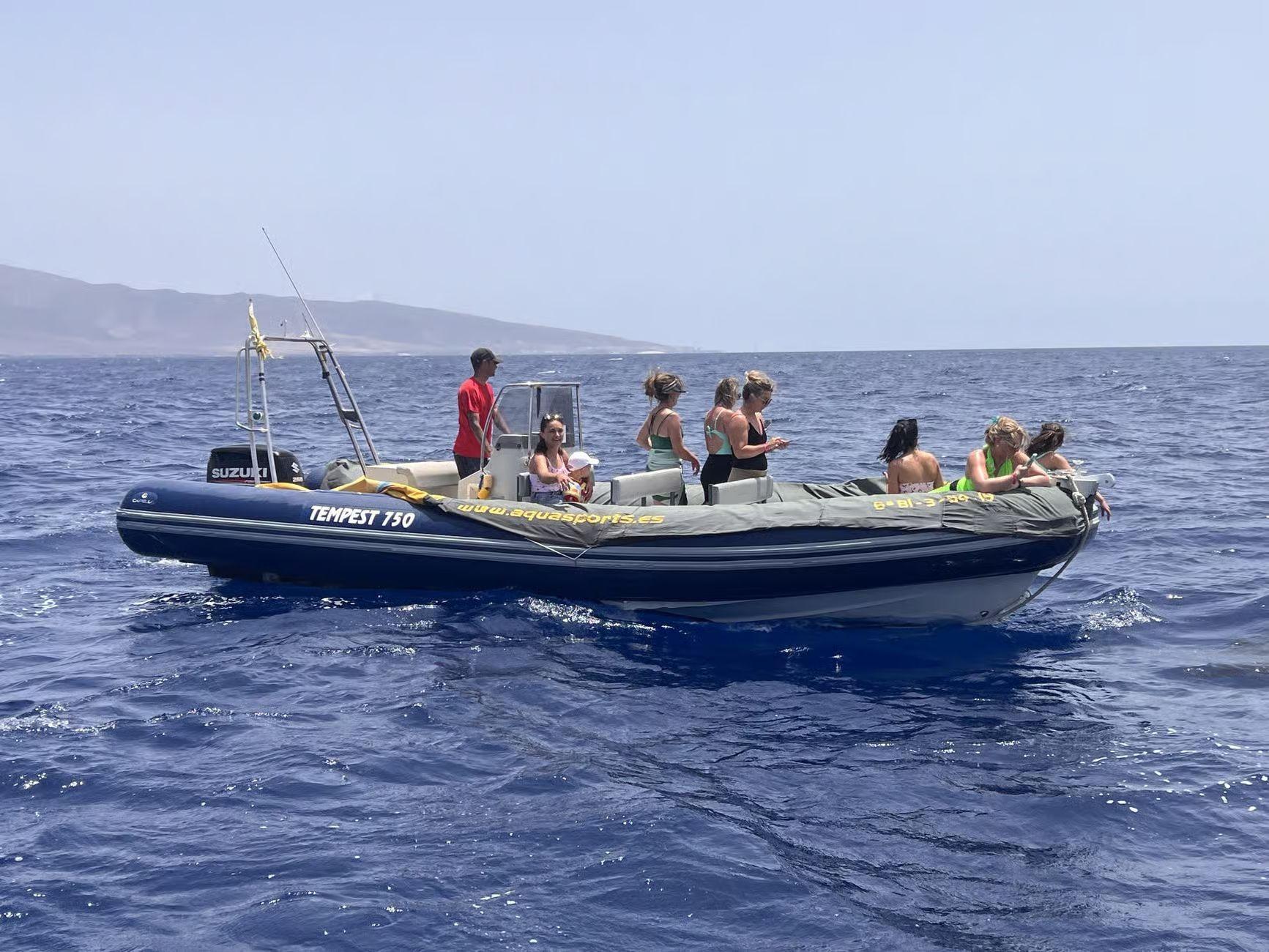
| Speedboat High-Speed Adventure |
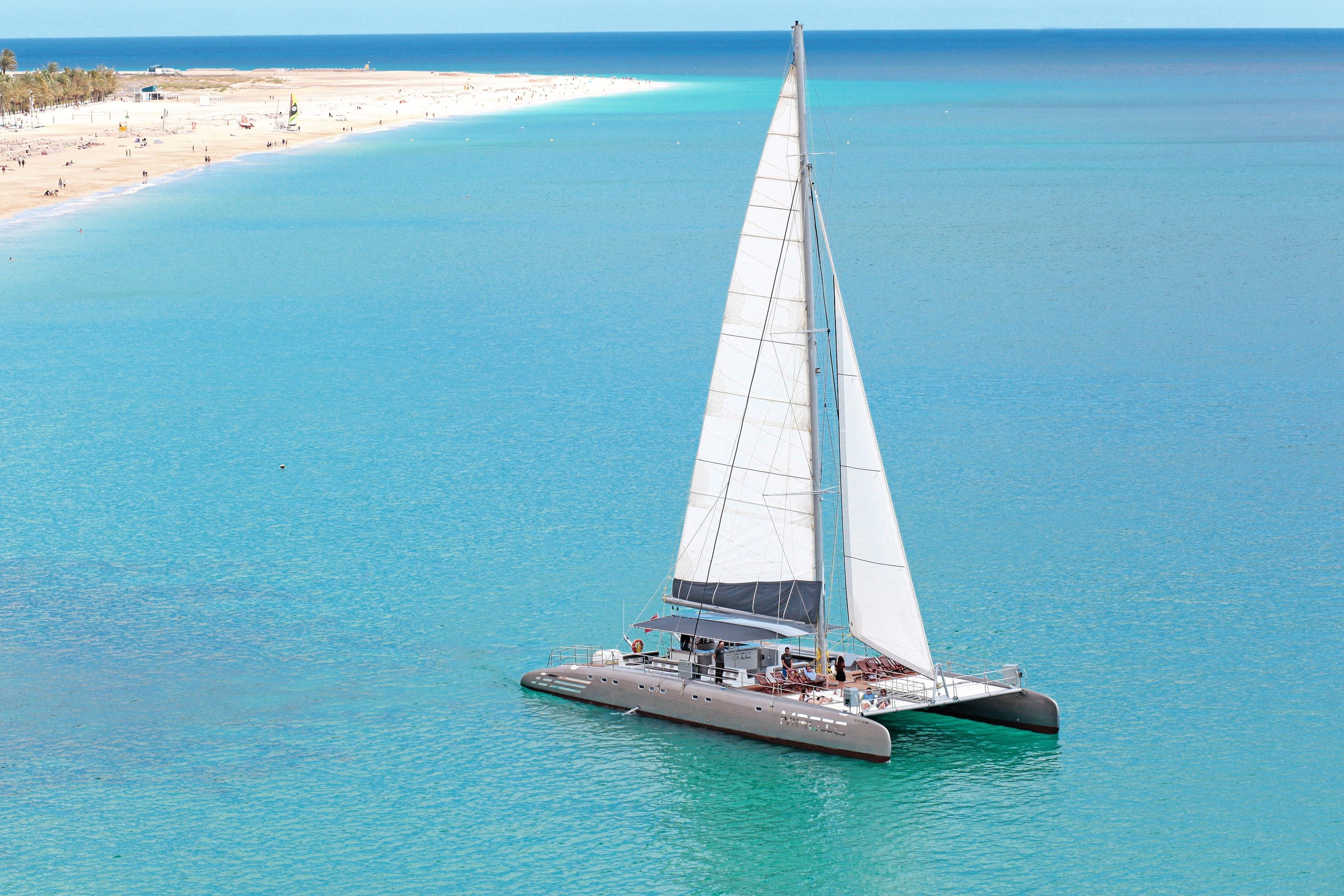
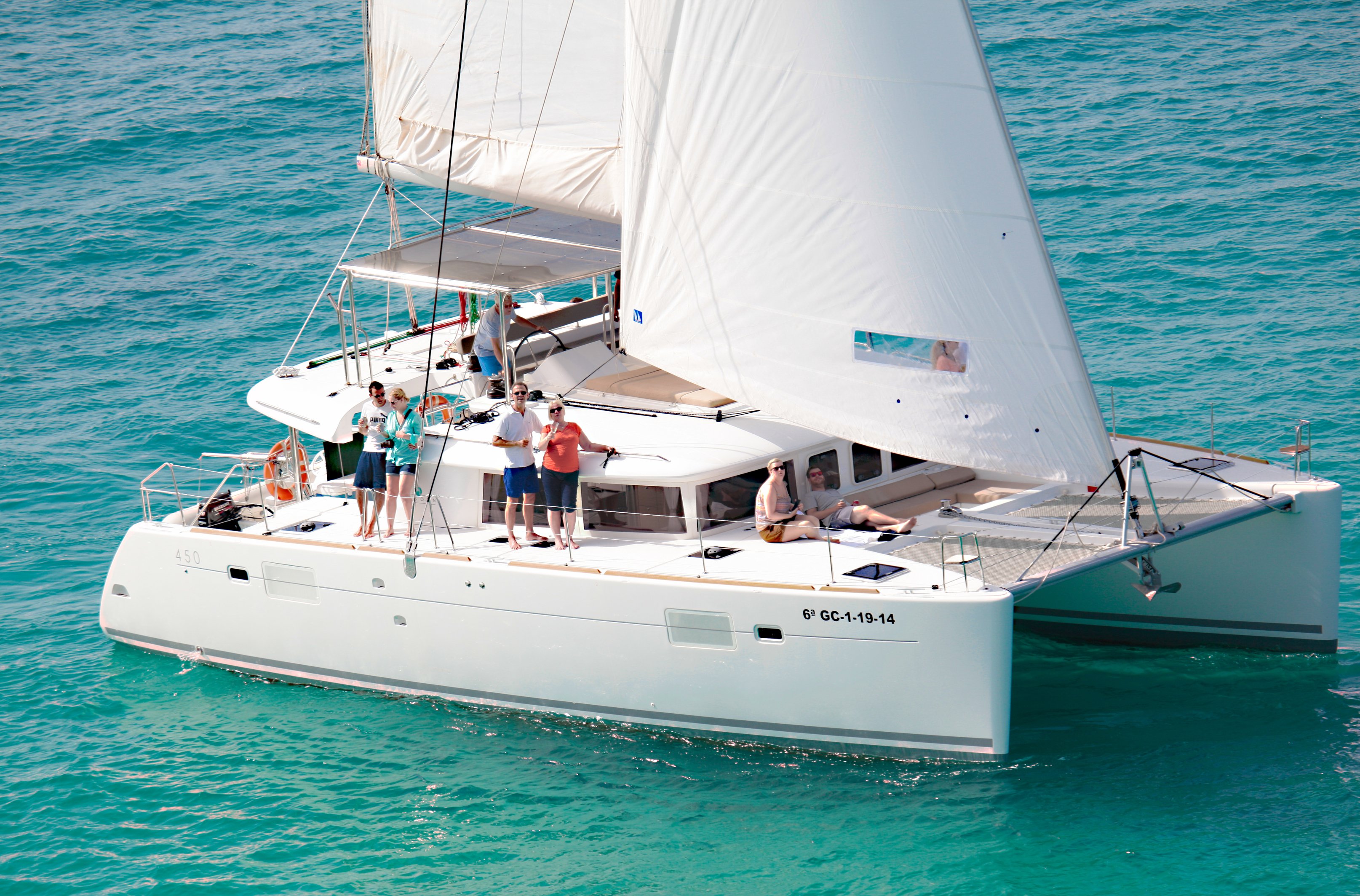
Top pick Catamaran Comfort & Stability |
Sailing Yacht Private Experience | |
|---|---|---|---|
| Boat Type | Rigid Inflatable Boat | Multi-hull vessel | Monohull sailing vessel |
| Average Duration | 2 hours | 4 hours | 3 to 5 hours |
| Primary Activities | Fast-paced search | Wildlife spotting and swim | Sailing and coastal cruising |
| Included Extras | Life jackets | Lunch and drinks | Snorkel gear and catering |
| Best for | Thrill seekers | Families and groups | Couples and private charters |
| See tickets & prices |
Verdict: For the most balanced excursion, choose the catamaran, or explore other dolphin watching fuerteventura morro jable tours if you prefer a specialized private setting or a faster, more intense wildlife search.
Worth it for marine wildlife enthusiasts
Dolphin watching fuerteventura morro jable delivers consistent wildlife encounters in one of the Atlantic's most active cetacean corridors. The waters off Morro Jable host resident short-finned pilot whales, bottlenose dolphins, and seasonal visitors including fin whales and Bryde's whales. Professional operators departing from Puerto de Morro Jable run daily excursions with marine biologists aboard, and sighting success rates hover around 85-90 percent year-round. Tours range from stripped-down two-hour wildlife watches to half-day sailing adventures that pair cetacean observation with snorkeling stops at sheltered reefs. The Atlantic marine life here is genuinely wild—no feeding, no guaranteed proximity—so the experience hinges on animal behavior rather than staged performance. For travelers who value authentic wildlife observation over guaranteed Instagram moments, and who understand that marine mammals set the agenda, dolphin and whale watching tours from Morro Jable represent solid value. Those expecting close-up interaction or predictable timing may find the experience underwhelming.
Bottom line: If you're comfortable with wildlife on its own terms, dolphin watching fuerteventura morro jable tours deliver genuine Atlantic encounters worth the investment.
Visitors often choose between dolphin watching fuerteventura morro jable tours for wildlife observation and jet ski safaris for high-speed coastal exploration. Those seeking passive nature encounters prefer the boat experience, while thrill-seekers opt for the active jet ski alternative.
|
Top pick Whale Watching |
Jet Ski Safari | |
|---|---|---|
| Primary Activity | Marine wildlife observation | High-speed coastal riding |
| Typical Duration | 2–4 hours | 1–2 hours |
| Physical Intensity | Low; relaxing | High; requires physical control |
| Group Size | Up to 20+ passengers | Limited to small convoys |
| Booking Constraints | Advanced booking recommended | Age and license requirements apply |
| Equipment Included | Life jackets and binoculars | Jet ski and wetsuit |
| Best Arrival Window | 09:00–12:00 | Flexible throughout daylight hours |
| Starting Price | From 45 EUR per person | From 90 EUR per person |
| See tickets & prices |
Verdict: If your priority is the dolphin watching fuerteventura morro jable tour, you gain a educational perspective on Atlantic cetaceans, whereas a jet ski safari provides an adrenaline-fueled way to see Fuerteventura's landmarks.
Hand-picked experiences loved by thousands of travelers
3 hours 30 minutes
Free Cancellation
Sail the southern coast, encounter marine wildlife, snorkel turquoise waters, and savor local tapas aboard
4 hours
Free Cancellation
Sail Fuerteventura's volcanic coast aboard a 23-meter catamaran, spot dolphins, swim in turquoise waters, and feast onboard.
5 hours
Free Cancellation
Sail from Corralejo to spot cetaceans, then swim and feast on paella at a pristine island beach.
1 hour 30 minutes
Free Cancellation
Race across the Atlantic on a thrilling 90-minute speedboat adventure searching for dolphins and whales
2 hours 30 minutes
Free Cancellation
High-speed Atlantic cruise hunting for dolphins along Fuerteventura's stunning coastline
3.5 hours
Free Cancellation
Sail Fuerteventura's Atlantic coast, swim in turquoise waters, and savor local cuisine with unlimited drinks
4.5 hours
Free Cancellation
Half-day sailing adventure seeking dolphins, whales, and rays with swimming stop and onboard refreshments
4 hours
Free Cancellation
Sail Fuerteventura's volcanic coast aboard a luxury Lagoon 450S with gourmet lunch and open bar
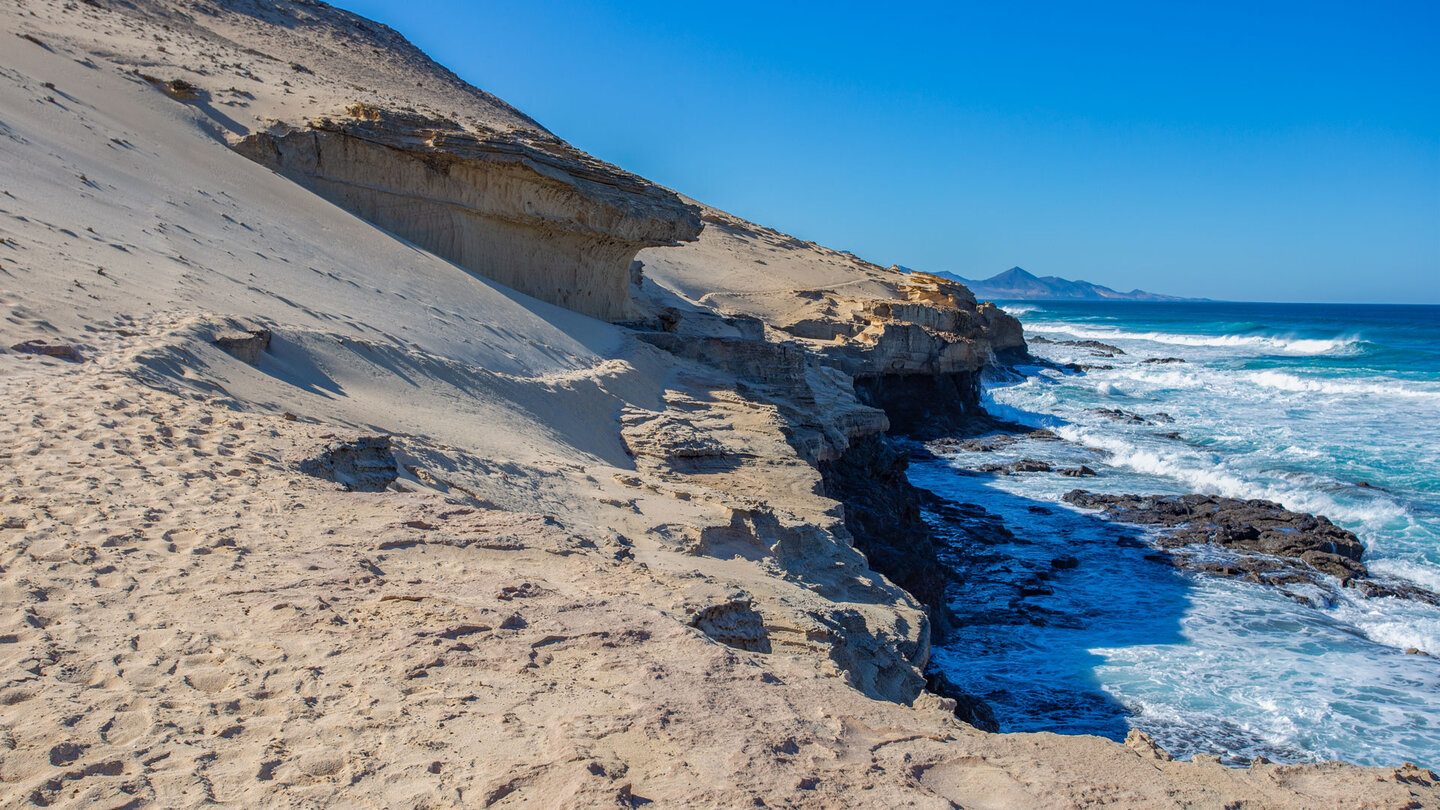
Spectacular cliffs and geological formations visible from the water during your journey.
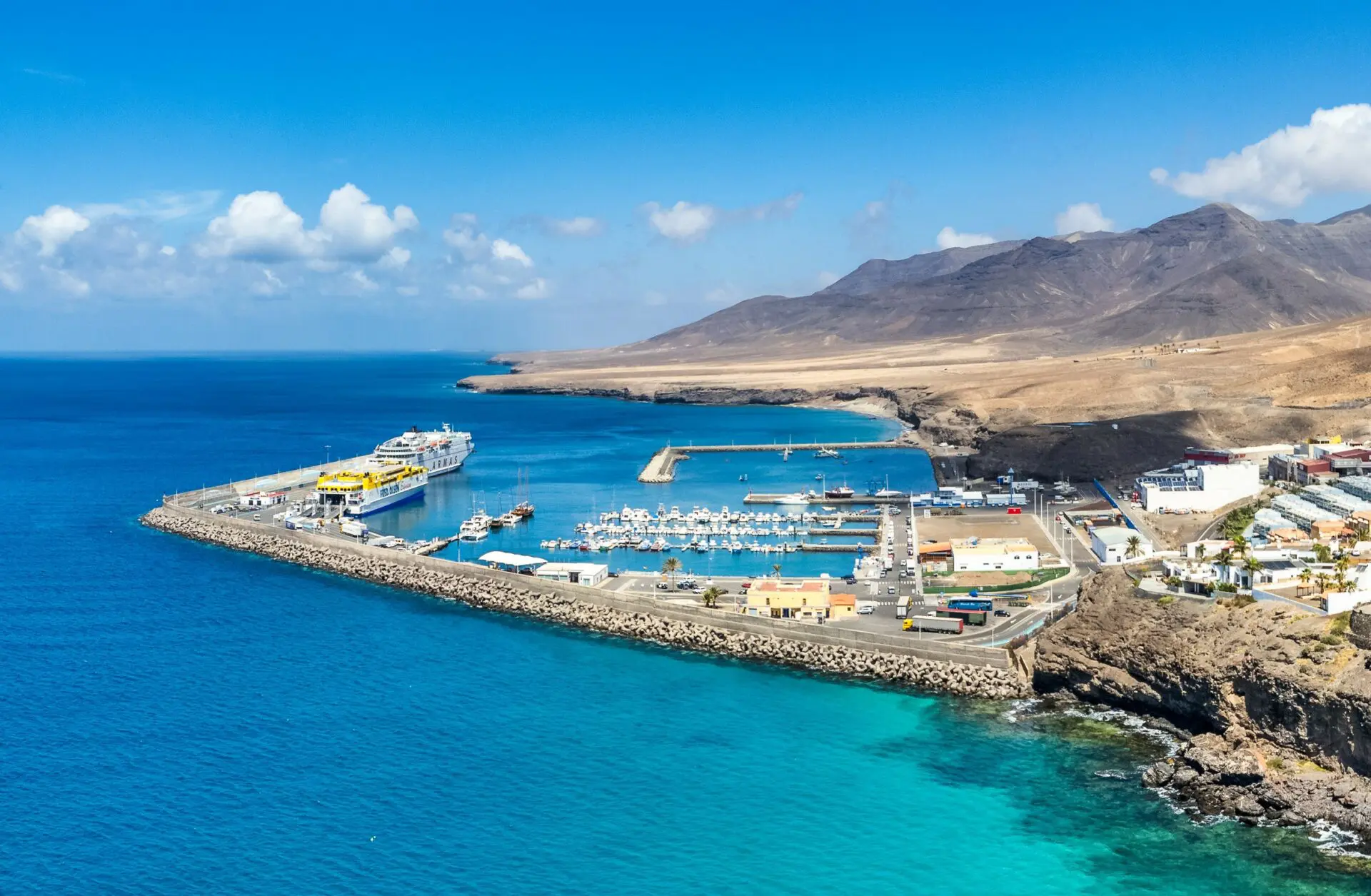
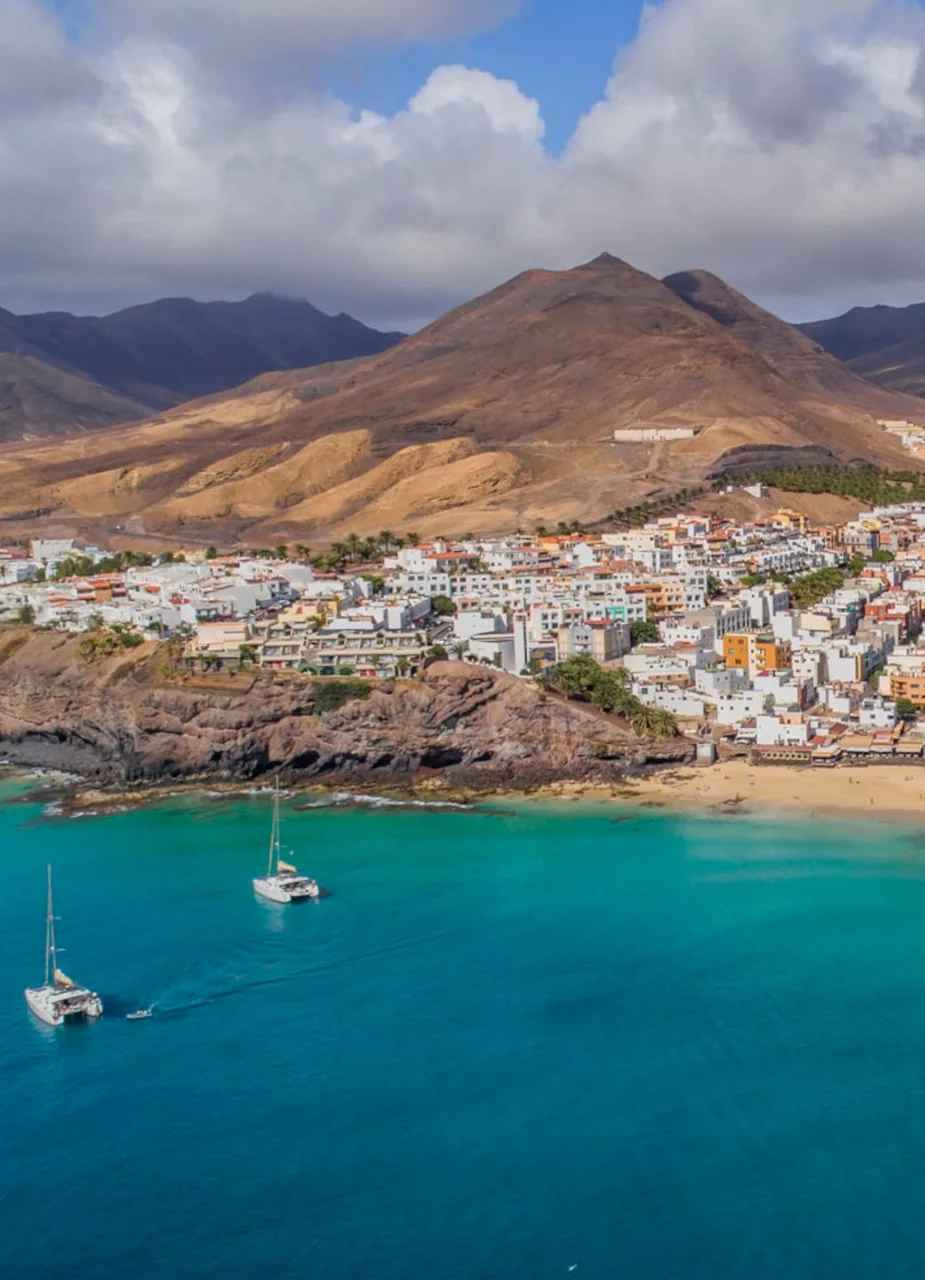
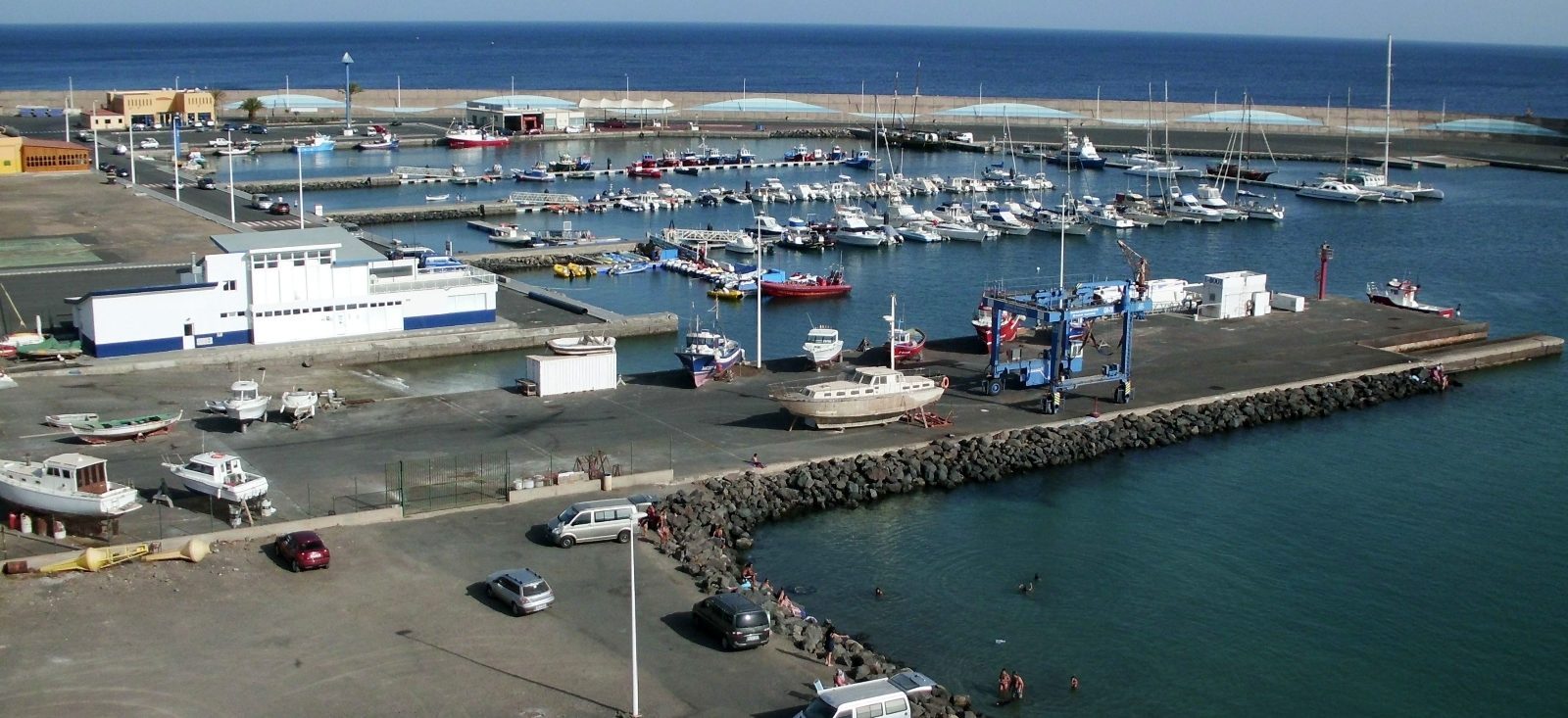
The modern marina serving as the primary hub for marine excursions and boat trips.
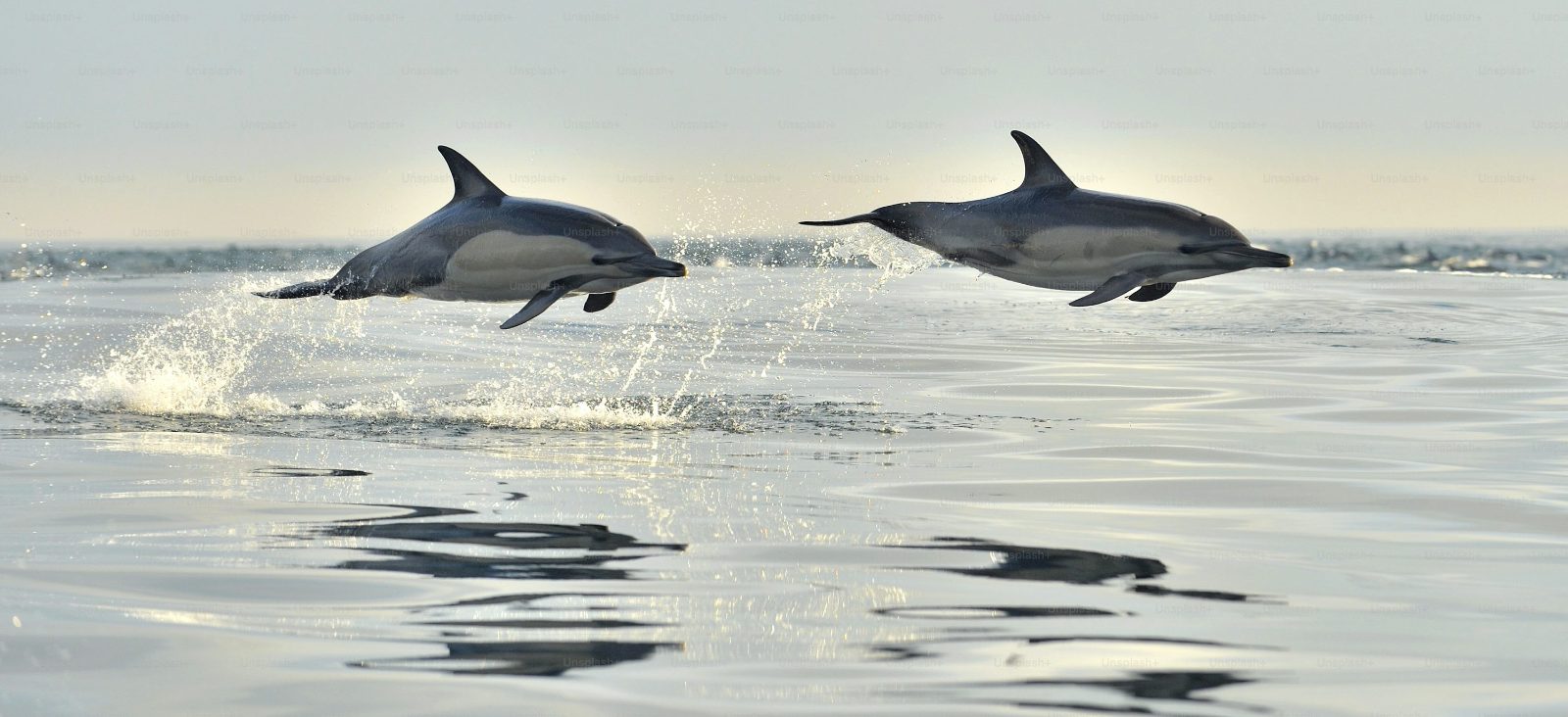
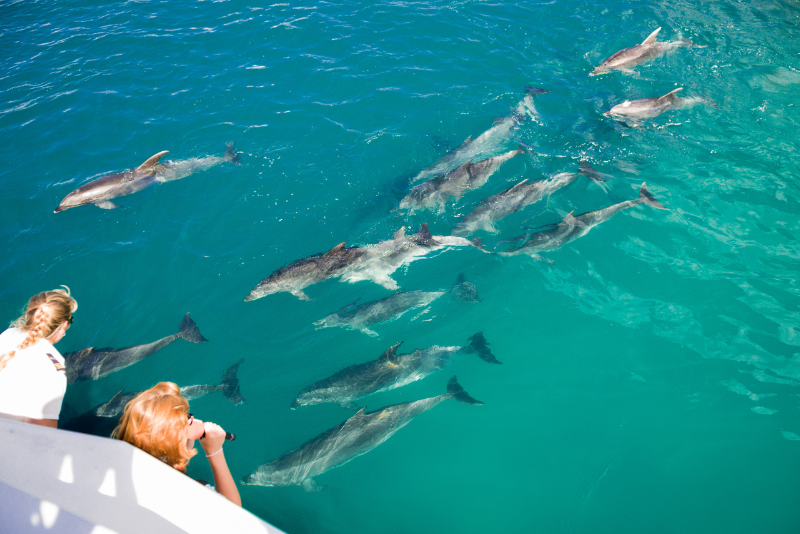
The deep blue habitat where common and bottlenose dolphins are frequently observed in the wild.
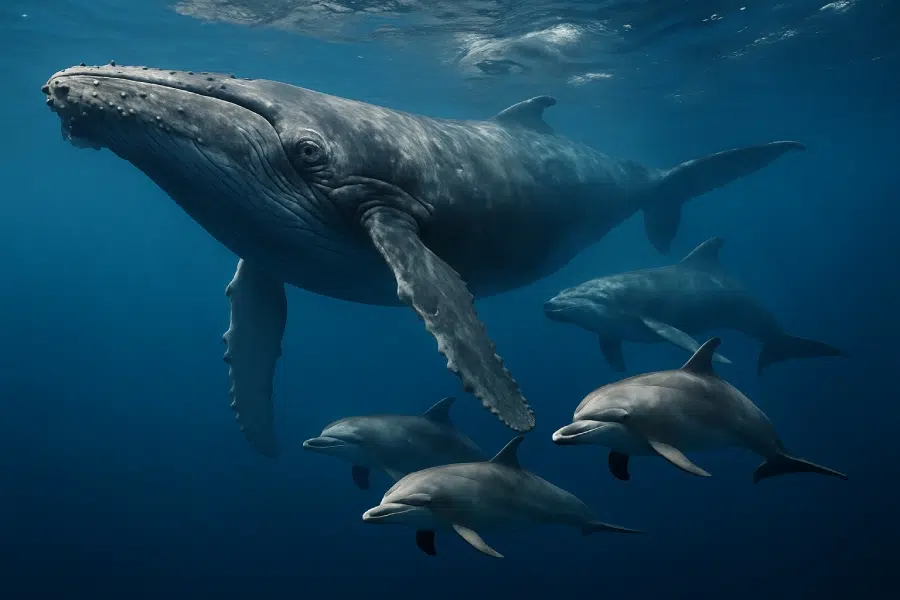
A protected area where over 29 species of cetaceans have been recorded near the island.
A calm bay often used for swimming and snorkeling breaks at the end of the excursion.
You board at Puerto de Morro Jable's floating pontoon, stepping onto a catamaran's mesh-net trampoline as the crew casts off. The harbor breakwater slides past, and the twin hulls push southwest along the coast.
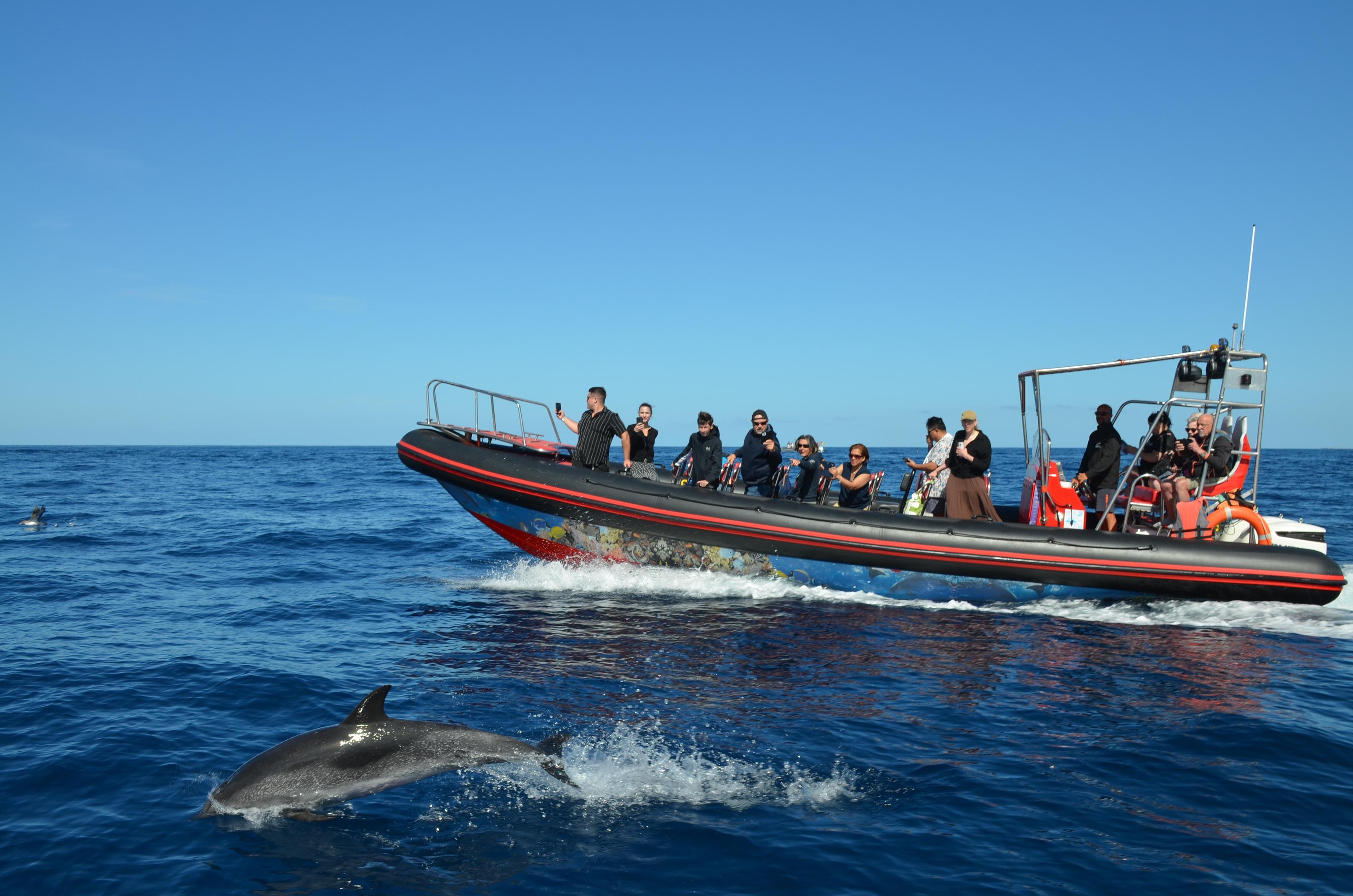
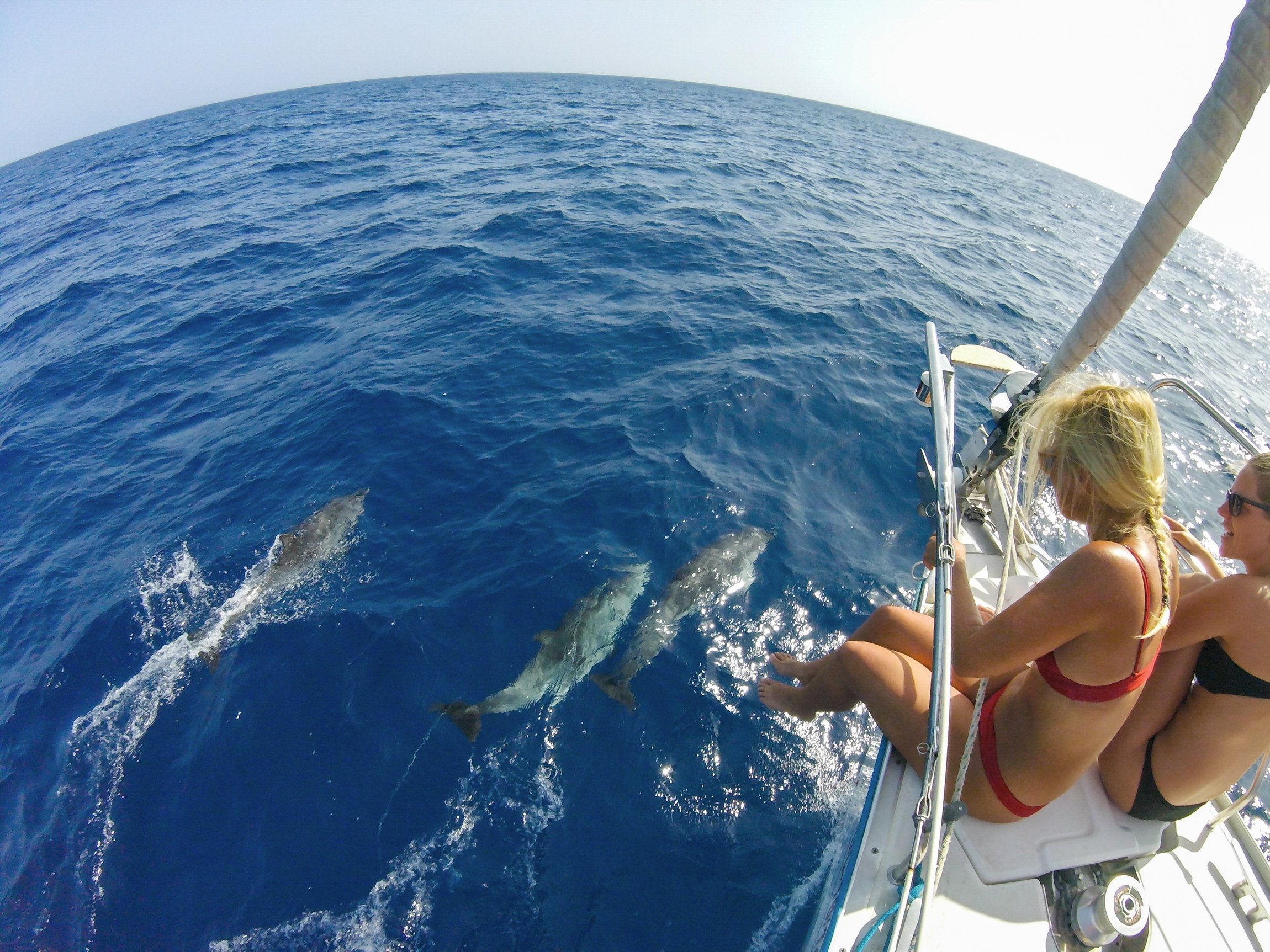
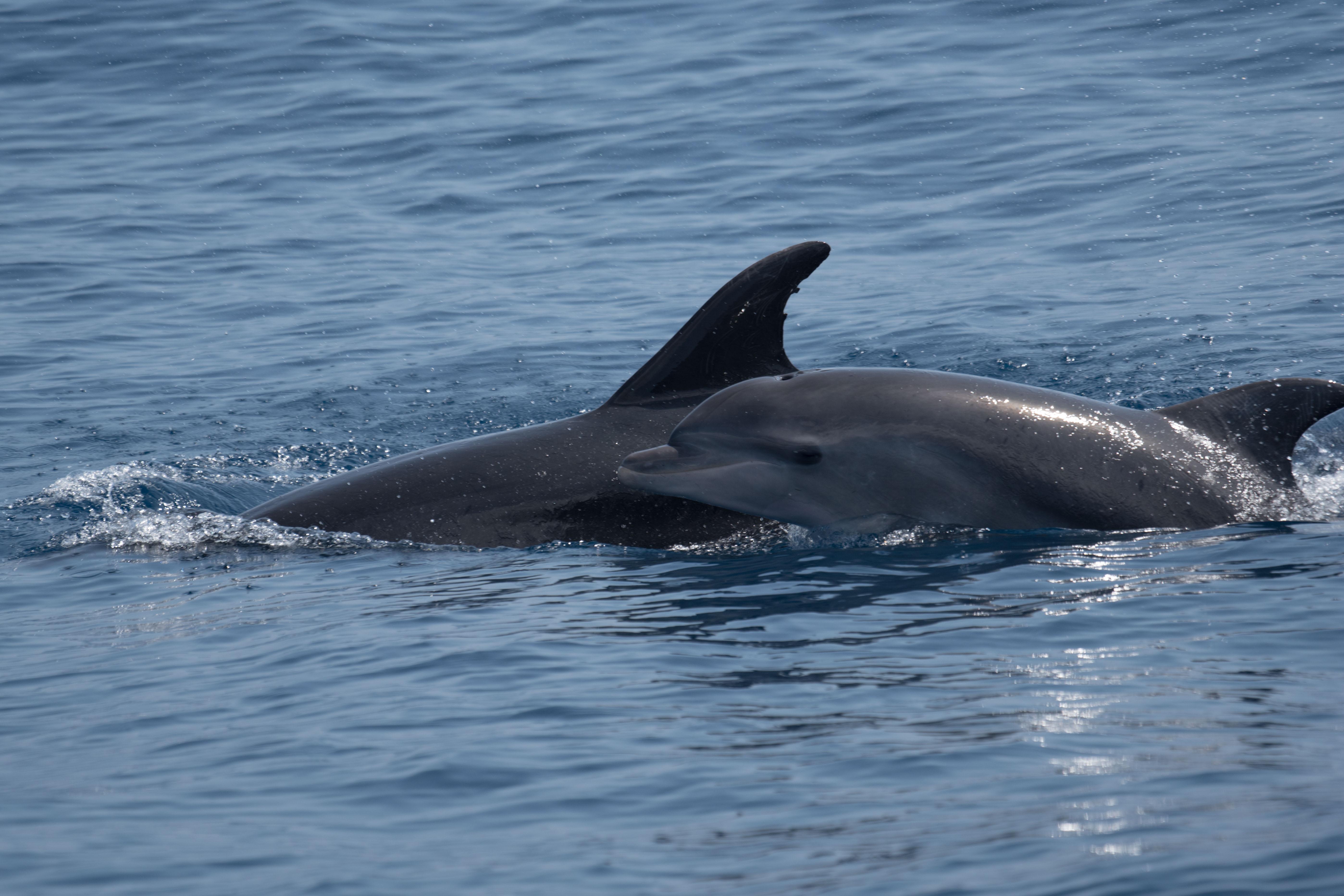
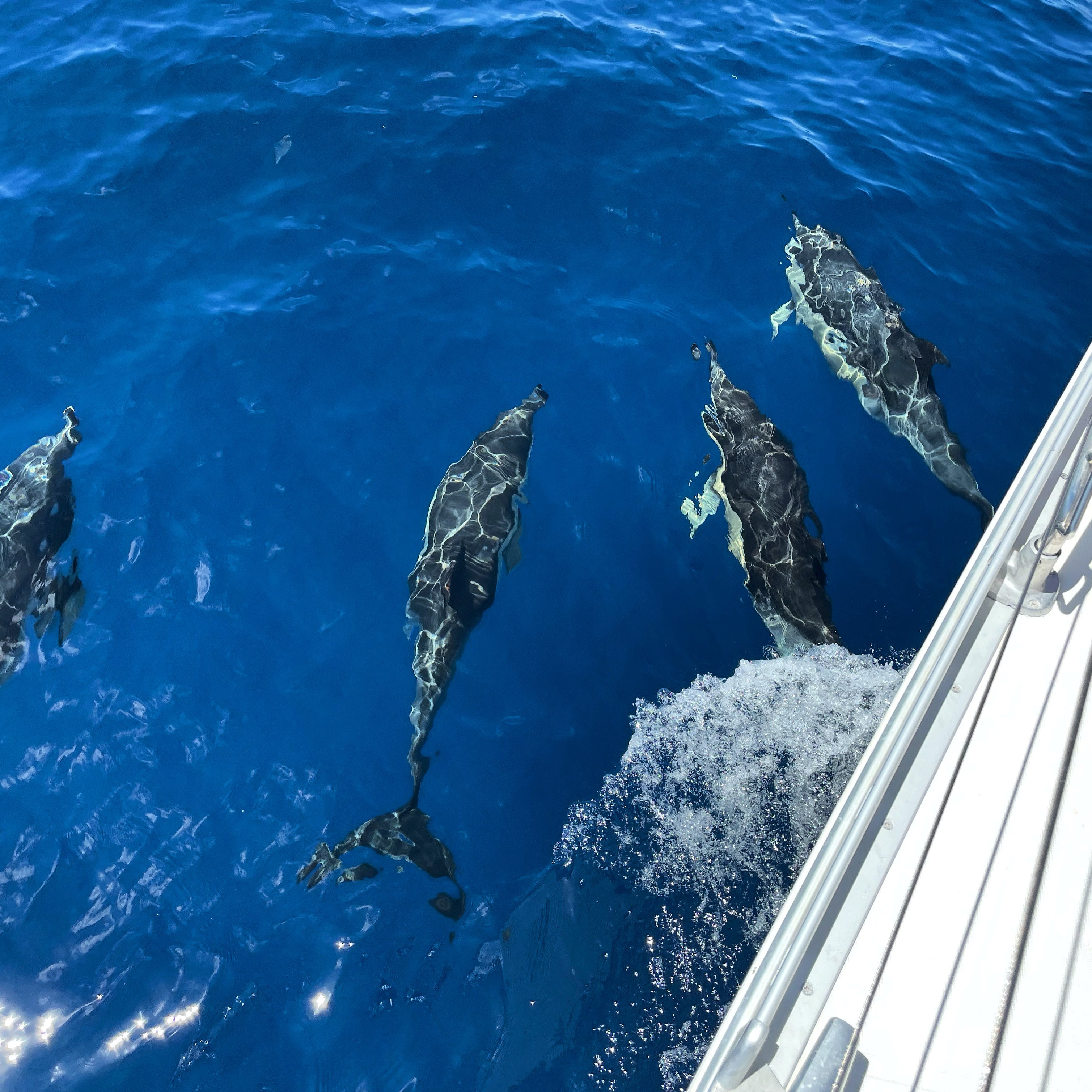
Within 12 minutes, the marine biologist pauses at the helm, scanning the horizon with stabilized binoculars. A pod of bottlenose dolphins surfaces 300 meters to port—dark dorsals breaking the swell in rhythmic arcs.
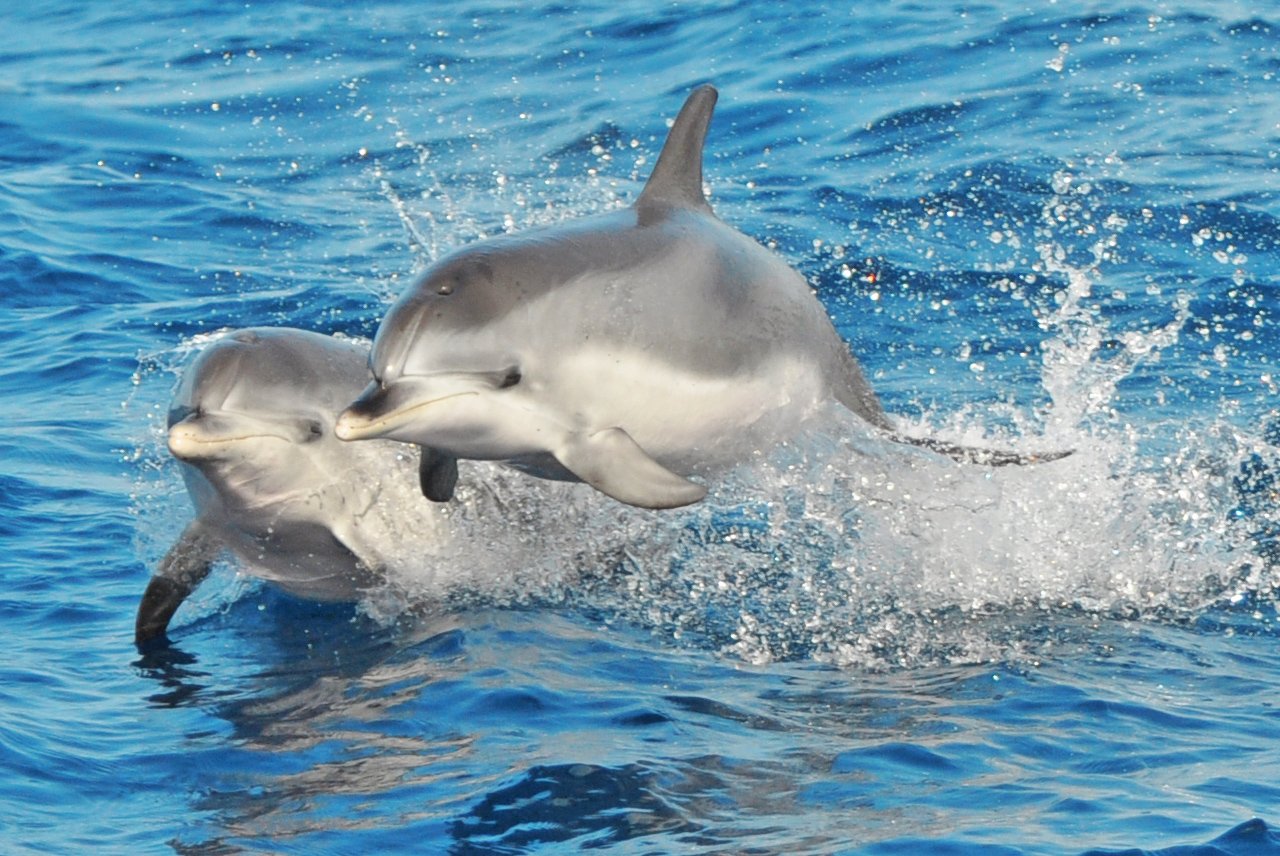
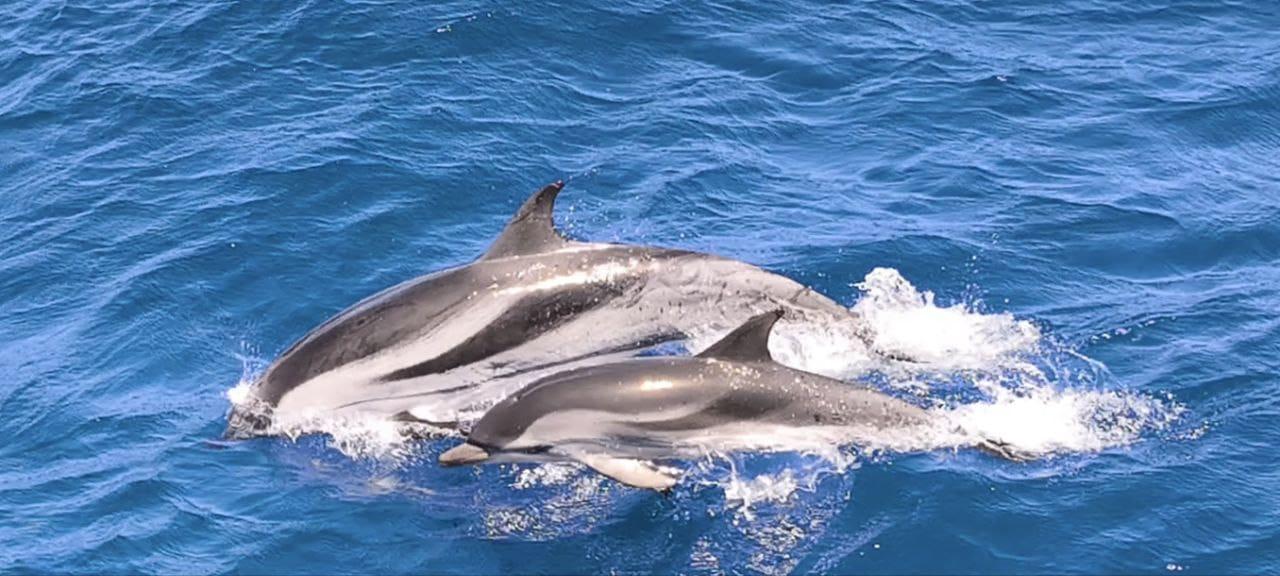
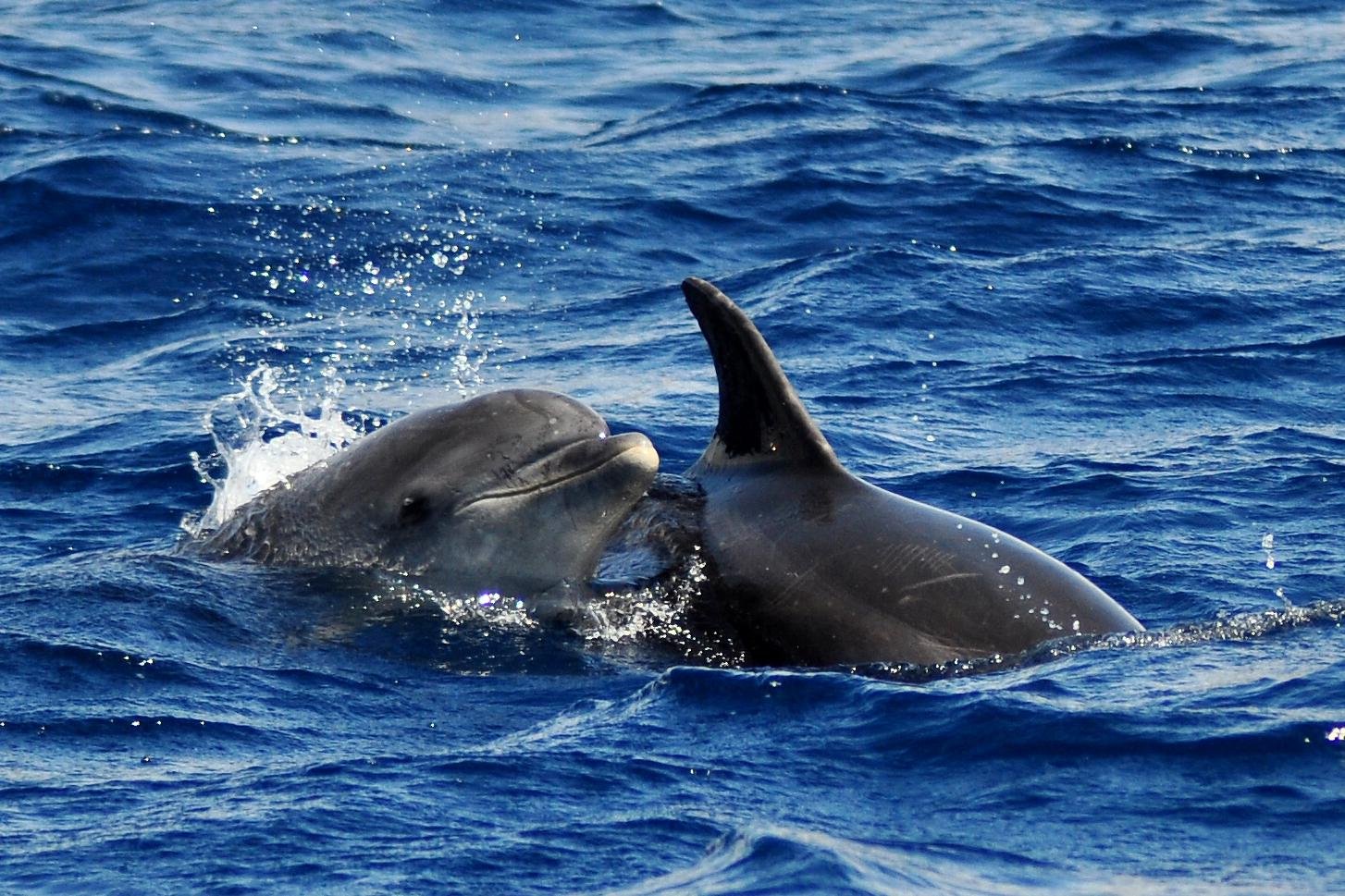
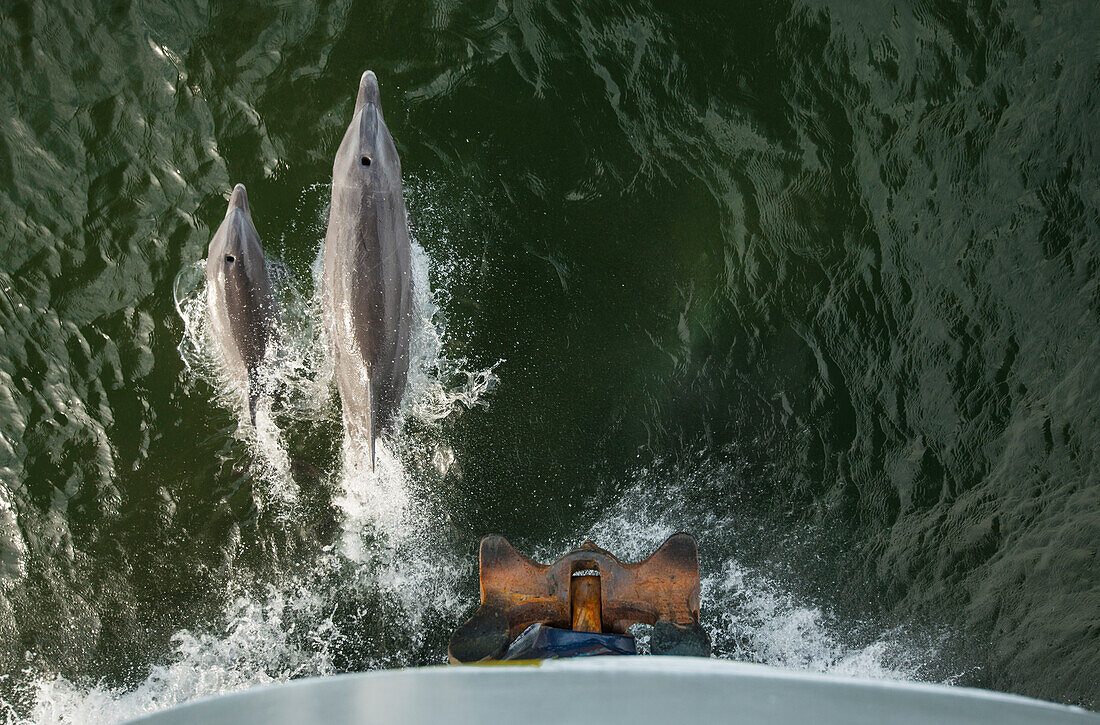
The engines cut to idle. You lean over the rail as the pod approaches, curious animals riding the pressure wave beneath the bow. Calves stay tight to their mothers, surfacing in synchrony. The hydrophone speaker crackles with clicks and whistles, a rapid-fire exchange the biologist translates as echolocation bursts. The dolphins linger for six minutes before veering west, and the boat resumes its search pattern.
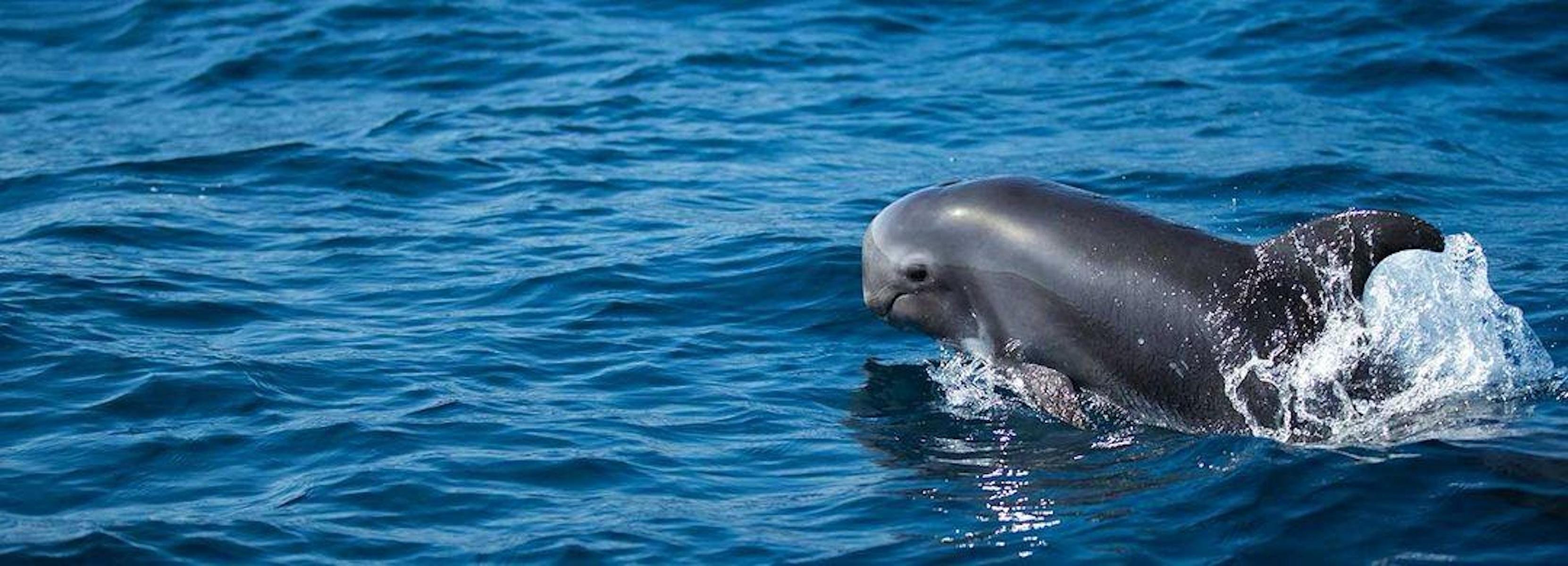
Farther offshore, the water deepens to cobalt. A crew member points to a distant splash—a pilot whale's tail slap, followed by three more blunt heads breaking the surface. The boat drifts 60 meters away, engines silent, as the whales log motionless in a resting formation. You watch their slow, synchronized breathing for 15 minutes before the captain turns back toward Morro Jable, the white buildings of Jandía Beach growing larger against the interior mountains.
All the details about your upcoming adventure in one place
Morro Jable's harbor sits at the edge of the Jandía marine corridor, a 50-kilometer channel between Fuerteventura and Gran Canaria where Atlantic currents meet shallow coastal shelves. This convergence draws seven resident cetacean species, including bottlenose dolphins, short-finned pilot whales, and Bryde's whales.
The area's unique bathymetry—a steep drop from 40 meters to 600 meters within two nautical miles—creates upwelling zones rich in sardines and mackerel, sustaining year-round populations that researchers have tracked since the 1990s.
Commercial dolphin watching Fuerteventura Morro Jable operations began in 2003, regulated under Canary Islands Decree 178/2000, which mandates 60-meter minimum approach distances and limits vessel speed to five knots within 300 meters of marine mammals. By 2026, the harbor hosts a fleet of 14 licensed catamarans and sailboats, each carrying underwater hydrophones and certified marine biologists. Spring months—March through May—see the highest sighting rates, with bottlenose pods of 15 to 30 individuals frequently observed within 20 minutes of departure. Pilot whale aggregations peak in autumn, when water temperatures between 22 and 24 degrees Celsius draw squid populations closer to the surface.
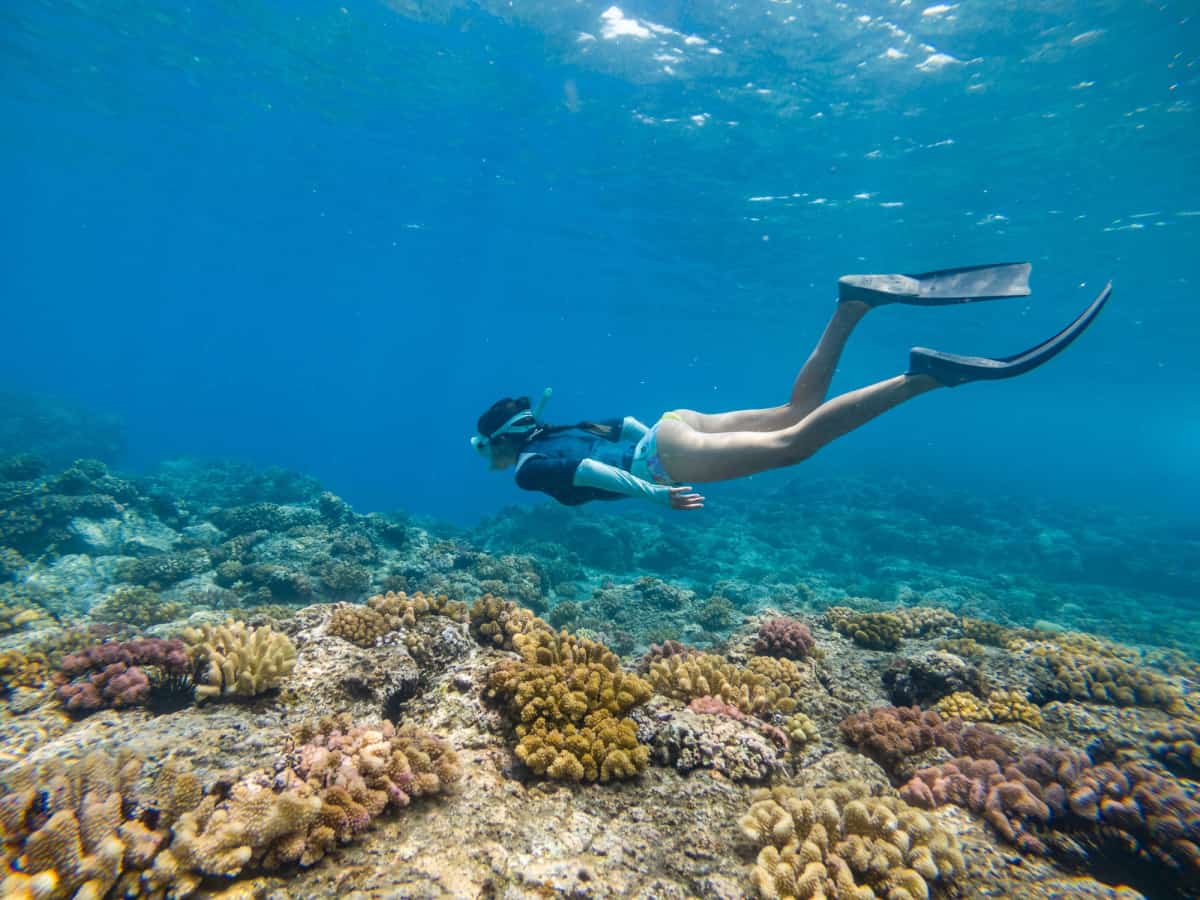
The tours operate from Puerto de Morro Jable, a working fishing harbor rebuilt in 1987 after storm damage destroyed the original wooden pier. Departures follow the coastline southwest toward Punta de Jandía, passing the rust-colored cliffs of Morro del Mulato before turning northwest into open water. Most vessels carry 50 to 80 passengers across two decks, with shadowed seating areas and bow netting for prone observation. Several operators include snorkeling stops at Playa del Matorral, a shallow bay where trumpetfish and parrotfish congregate around volcanic rock formations.
Marine biologists aboard document sightings through the Atlantic Cetacean Platform, a cross-border database shared with researchers in Madeira and the Azores. Photo-identification protocols track individual dolphins by dorsal fin notches and scarring patterns, contributing to population studies that inform EU marine protection policies. Encounters vary by season and sea state, but sighting success rates across dolphin watching Fuerteventura Morro Jable tours average 87 percent year-round, rising to 94 percent between April and October when calm conditions extend the search radius beyond five nautical miles.
The Jandía corridor's steep bathymetry sustains seven resident cetacean species within two nautical miles of shore.
Wear comfortable clothing and swimwear for potential snorkeling stops. Bring a jacket or warm layer, as sea temperatures can feel cooler during dolphin watching fuerteventura morro jable boat trips.
Keep belongings minimal and secure, as space on speedboats used for dolphin watching fuerteventura morro jable is limited. Store valuables in waterproof bags if possible.
Bring a camera to capture wildlife, but ensure you do not use flash near the animals. Respect the guide's instructions during dolphin watching fuerteventura morro jable encounters.
Dolphin watching fuerteventura morro jable tours are generally suitable for children, but check age restrictions (often 3+) with your specific operator.
Most speedboats used for dolphin watching fuerteventura morro jable are not accessible for wheelchairs or strollers due to the narrow boarding areas.
Many dolphin watching fuerteventura morro jable tours include cold drinks on board. Food is typically not provided, so guests should eat before departure.
Opening Hours
00:00–23:59
Address
Puerto de Morro Jable, 35625 Morro Jable, Las Palmas, Spain
Accessibility
Vessels may not accommodate wheelchairs or strollers
Best Arrival
09:00–12:00
Transit
Accessible via local shuttle or taxi in southern Fuerteventura
Receive a full refund if you cancel up to 24 hours in advance. No entrance fee is required; dolphin watching fuerteventura morro jable tours are purchased per person.
Recommended time
3-4 hours
Most boat excursions for dolphin watching fuerteventura morro jable typically last between three and four hours to allow sufficient time to reach deep-water habitats. You should arrive at the Puerto de Morro Jable, 35625 Morro Jable, Las Palmas, Spain at least thirty minutes before departure to complete check-in procedures for your chosen dolphin watching fuerteventura morro jable tour. Crowds are generally managed by operator capacity, so securing dolphin watching fuerteventura morro jable tickets in advance helps bypass potential port congestion during high-traffic boarding periods. Remember that the entrance fee is 0 EUR (No entrance fee; tours are purchased per person.), so your visit revolves entirely around the maritime vessel schedule.
Crowd levels through the day
The waters off Fuerteventura's southern coast have sheltered cetaceans for millennia, but organized dolphin watching fuerteventura morro jable began only in the late 1980s when small fishing cooperatives in Morro Jable started offering informal boat trips to tourists curious about the pilot whales and bottlenose dolphins frequently sighted near the Jandía peninsula. By 1992, the first licensed operator established regular departures from Puerto de Morro Jable, using converted fishing trawlers that offered minimal passenger comfort but unmatched access to the marine corridor between Fuerteventura and Gran Canaria. The industry transformed in 1998 when Spanish maritime regulations imposed stricter vessel standards and approach distances to protect cetacean populations, forcing operators to invest in purpose-built catamarans equipped with hydrophones and observation decks. The early 2000s brought controversy when environmental groups documented instances of boats crowding pods of short-finned pilot whales in the deep waters south of Morro Jable, prompting the Canary Islands government to designate a marine protected area in 2004 and establish a voluntary code of conduct that limited engine noise and prohibited swimmers from entering the water near whales. These measures coincided with the rise of dolphin watching fuerteventura morro jable tours as a mainstream attraction, with passenger numbers climbing from roughly 12,000 annually in 2003 to over 40,000 by 2010. Local guides began emphasizing the resident populations of Atlantic spotted dolphins and occasional sightings of Bryde's whales, species rarely observed from shore. Today the port hosts a fleet of modern vessels staffed by marine biologists who provide real-time commentary on cetacean behavior and ocean ecology. The route typically follows the volcanic shelf edge where upwelling currents concentrate prey species, creating reliable feeding grounds for dolphins. Operators now participate in a regional sighting network that contributes data to conservation programs tracking migration patterns and population health across the Canary archipelago.
Fishing cooperatives in Morro Jable begin informal dolphin-watching trips for tourists.
First licensed operator establishes regular cetacean excursions from Puerto de Morro Jable.
Spanish regulations impose vessel standards and cetacean approach distances, prompting fleet upgrades.
Canary Islands government designates marine protected area and voluntary conduct code after crowding incidents.
Annual passenger numbers surpass 40,000 as dolphin watching becomes mainstream attraction.
Modern fleet with marine biologists contributes sighting data to regional conservation network.
Position yourself at the end of the main stone jetty to capture the departing vessels against the backdrop of the Jandia coastline. This vantage point is ideal for documenting dolphin watching fuerteventura morro jable tours as they head out to the open Atlantic.
Walk along the seawall near the marina entrance to photograph the contrast between the rugged volcanic cliffs and the blue sea. It provides a stable base to frame incoming marine life excursion boats for your dolphin watching fuerteventura morro jable tour.
Stand near the lower concrete docks where guests board their vessels to capture close-up shots of crew members and passengers preparing for the trip. This area offers a clear perspective on the logistics of securing dolphin watching fuerteventura morro jable tickets before embarkation.
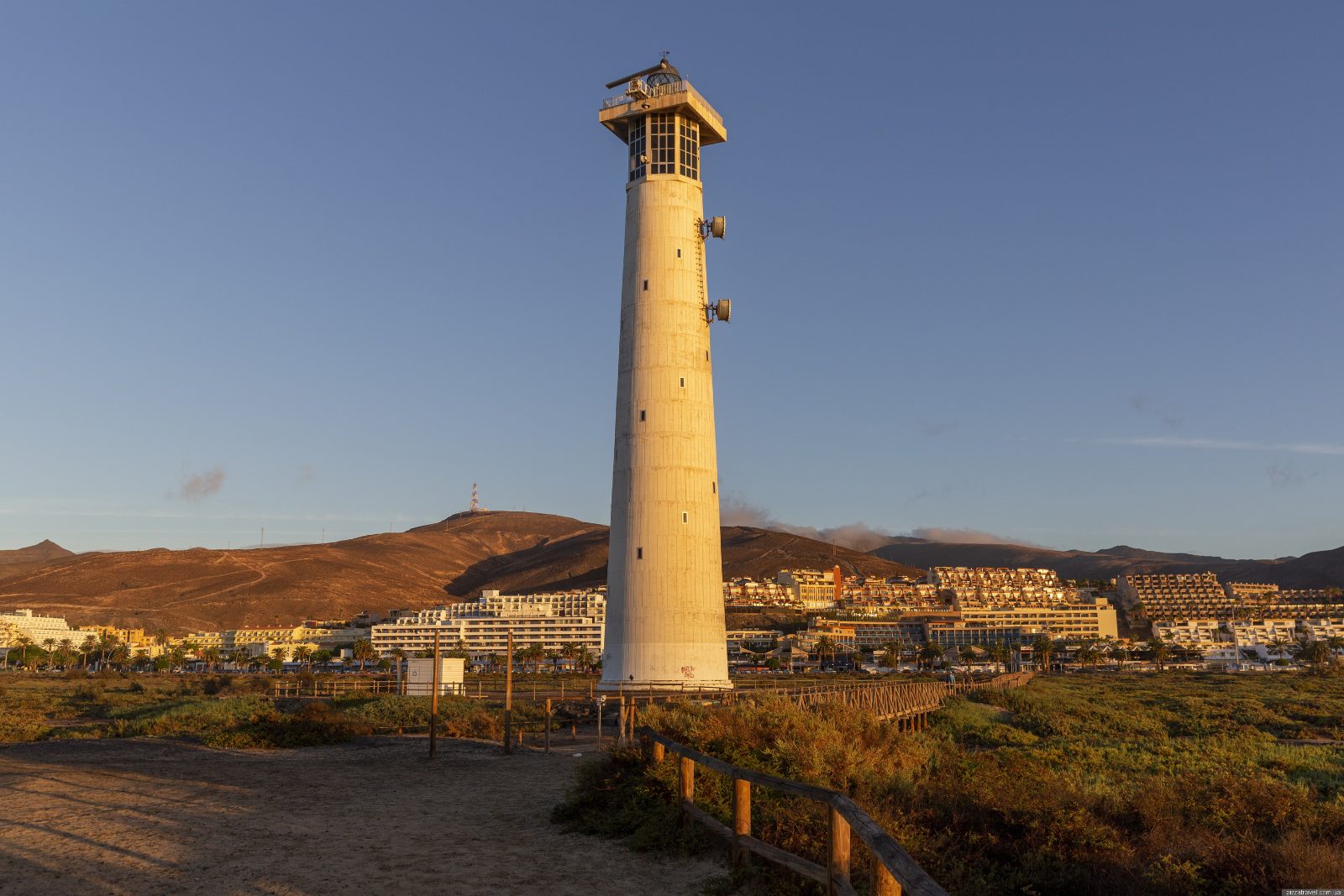
Locate the area near the lighthouse structure to shoot panoramic images of the harbor and the expansive ocean horizon. This spot allows you to track the movement of boats leaving the harbor for your next whale watching adventure.
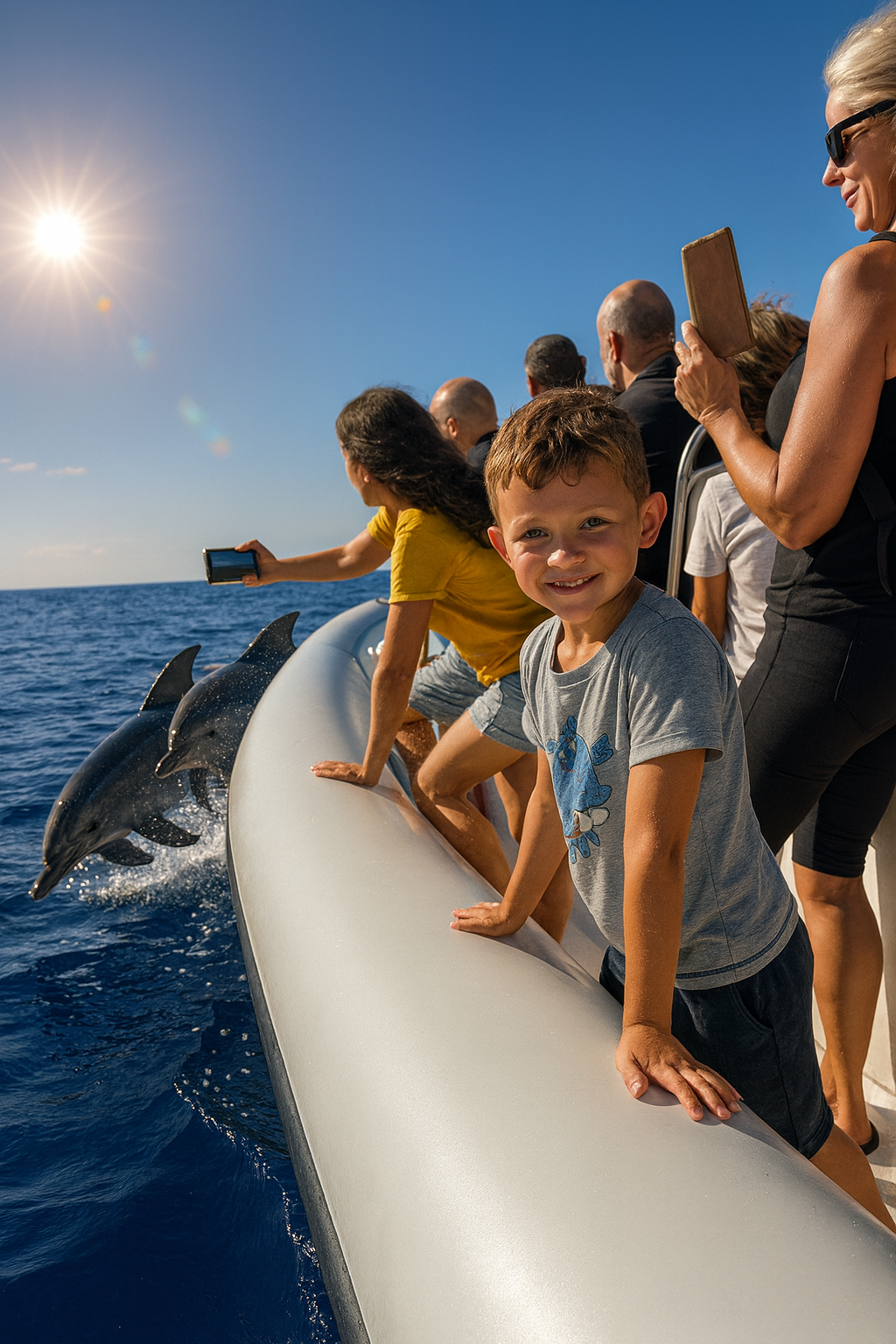
Embarking on a dolphin watching fuerteventura morro jable excursion offers families a chance to observe marine life in their natural habitat. Choosing the right vessel ensures a comfortable experience for children of all ages.
Catamarans provide a more stable platform for young travelers compared to smaller speedboats, reducing the likelihood of discomfort. Opting for larger dolphin watching fuerteventura morro jable tours typically grants more space for children to move safely on deck
Consult your pediatrician about motion sickness remedies before departure, as the Atlantic waters can be unpredictable. Keeping children in the center of the boat and focused on the horizon often helps maintain their equilibrium
Most vessels are equipped with basic restroom facilities, but these are often compact and challenging for toddlers. Ensure you have necessary supplies like sun protection and light jackets, as ocean breezes remain cool during dolphin watching fuerteventura morro jable tickets departures
Brief your children that sightings are never guaranteed, as these cetaceans are wild animals. Encouraging them to scan the surface for fins or splashes helps keep them engaged throughout the duration of the trip
Visitors planning a dolphin watching fuerteventura morro jable excursion will find several dining options located directly at the harbor. Beyond these port-side spots, the nearby town offers a variety of eateries perfect for refueling after your marine wildlife adventure.
Located right at the pier, this spot specializes in fresh catch of the day. It is a reliable choice for those waiting for dolphin watching fuerteventura morro jable tours.;Restaurante La Puntilla
Everything you need to know for your journey
Yes, operations run daily from 00:00 to 23:59.
Tours depart from Puerto de Morro Jable, 35625 Morro Jable, Las Palmas, Spain.
There is no entrance fee; you only pay for the dolphin watching fuerteventura morro jable tickets per person.
We recommend the 09:00–12:00 arrival window for the calmest sea conditions.
Restrictions vary by operator but children under 3 are often not permitted on speedboats.
Yes, you can receive a full refund if you cancel up to 24 hours before your trip.
Bring sunscreen, a jacket, and swimwear for your dolphin watching fuerteventura morro jable excursion.
Sightings are not 100% guaranteed as animals are wild, but your crew will maximize your chances.
Yes, the Jandía Natural Park and local beaches are excellent nearby areas to explore.
Yes, it is a popular activity, though guests should check specific operator guidelines for children.
Join thousands of happy travelers who have discovered this incredible experience
Book Your Experience Now